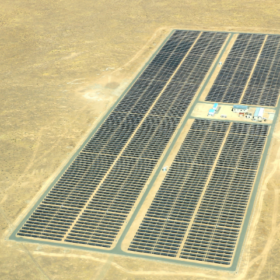
Namibia launches EPC tender for 20 MW solar project
The nation’s Central Procurement Board, on behalf of utility NamPower, has announced a tender to select an engineering, procurement and construction services contractor.

Uzbekistan announces tender for up to 900 MW of solar
The central Asian nation and the International Finance Corporation have signed a mandate to develop up to 900 MW of solar capacity through public-private partnerships.

Cronimet finishes 1 MW rooftop PV array on Namibian mall
The German developer and independent power producer claims it finished its latest solar project in the country about one month ahead of schedule.
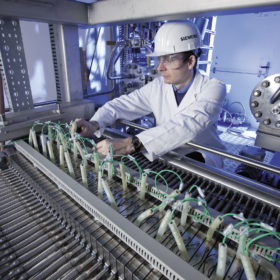
The slow, inexorable rise of green hydrogen
The International Renewable Energy Association says the integration of hydrogen into the energy transition will not happen overnight and electrolysis costs will not be halved until the 2040s. That hydrogen and related products could revolutionize the world energy landscape, however, is not in doubt.
Solar-plus-storage vs. grid enhancement, part III
A new IRENA report highlights how large-scale storage systems can be thought of as “virtual power lines” that enhance the performance and reliability of power networks when congestion occurs. It expects global storage capacity from large-scale batteries to grow from about 11 GWh at present to between 100 GWh and 167 GWh by 2030.

IRENA and the UN ink agreement to combat desertification with renewables
A memorandum of understanding signed by the institutions was not solar specific but the use of PV modules for shading, especially in agriculture, can reduce water consumption and help halt the expansion of deserts.

Pakistan’s Nepra mulls another 50 MW of solar
The country is steadily expanding solar generation capacity as it aims for 5 GW by 2022, helped by an influx of foreign investment from China’s Belt & Road infrastructure program and World Bank capital.

The tide is changing for ground-mounted PV in Ireland
Ireland appears ready to embrace PV after years of failed announcements. Globaldata predicts the EU member state will deploy around 1.3 GW of solar by 2030, with renewables potentially meeting 65% of electricity demand. Furthermore, Irish Water has announced it wants to deploy solar at its water treatment plants.

Cameroon to improve power supply with 25 MW solar projects
Energy of Cameroon wants to build two solar parks to improve power supply in the country’s northern regions. The projects will be developed by a consortium led by Norwegian solar company Scatec.
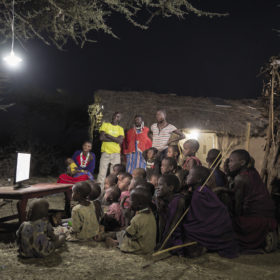
CBEA lets loose first $5.5 million for 60 minigrids in Tanzania
Crossboundary Energy Access (CBEA) was established in January with large investment contributions from Rockefeller and Shell Foundations. The funding facility, which said it would work to unlock $11 billion in funding for the electrification of 100 million people in Africa, has penciled its first transaction with PowerGen Renewable Energy.
