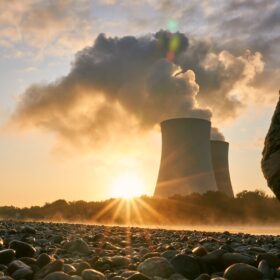
New research shows renewables are more profitable than nuclear power
In a recent study, researchers from the European Environmental Bureau (EEB), the Stockholm School of Economics (SSE), and the Potsdam Institute for Climate Impact Research (PIK) questioned the planned development of new nuclear capacities in the energy strategies of the United States and certain European countries.
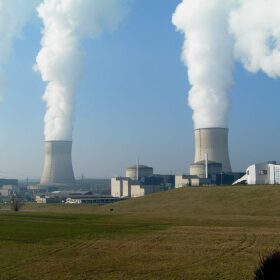
French scientists calls for suspension of new nuclear energy program
While the French Constitutional Council is preparing to issue new provisions to support the deployment of new nuclear reactors this summer, nearly 800 scientists gathered around a platform to call for the end of the new nuclear program.
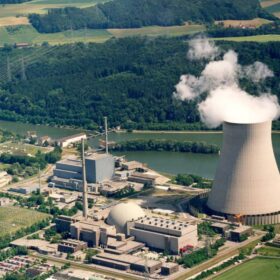
Germany’s power mix boasts more renewables, lower spot market prices – despite nuclear exit
Germany’s shutdown of nuclear power plants in April did not result in a ramp-up of lignite-fired power plants, despite concerns. Instead, there has been a significant increase in the share of renewables in the electricity mix, and the proportion of coal-generated electricity has fallen by more than 20%.

‘Technology geriatrics’ will not ensure survival of nuclear power, says analyst
The latest World Nuclear Industry Status Report shows that nominal net nuclear generating capacity fell by 0.4 GW between 2020 and 2021, even though six new reactors were switched on throughout the world last year. This brought the share of nuclear power in the global electricity mix to below 10% for the first time in four decades.
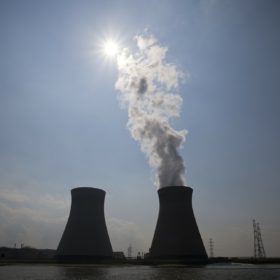
Renewables vs. Nuclear: 256-0
The latest World Nuclear Industry Status Report shows that the world’s operational nuclear capacity grew by just 400 MW in 2020, with generation falling by 4%. By contrast, renewables grew by 256 GW and clean energy production rose by 13%. “Nuclear power is irrelevant in today’s electricity capacity market,” the report’s main author, Mycle Schneider, told pv magazine.
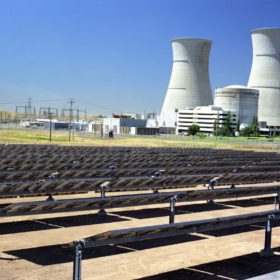
Solar challenging nuclear as potential climate change solution
Research suggests that we can power 80% of the United States with wind, solar, and 12 hours of energy storage, but the replacement of nuclear power plants hasn’t been financially viable. Is that about to change?
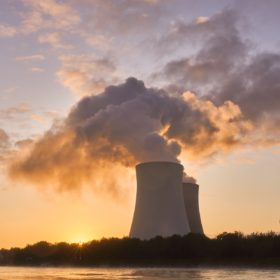
‘Nuclear power is now the most expensive form of generation, except for gas peaking plants’
The latest edition of the World Nuclear Industry Status Report indicates the stagnation of the sector continues. Just 2.4 GW of net new nuclear generation capacity came online last year, compared to 98 GW of solar. The world’s operational nuclear power capacity had declined by 2.1%, to 362 GW, at the end of June.

100% renewables means 95% less water consumption for conventional power generation
According to a new study by Finland’s LUT University, solar PV consumes between 2% and 15% of the water that coal and nuclear power plants use to produce just 1 MWh of output; for wind, this percentage ranges from 0.1% to 14%. Under the researchers’ best policy scenario, water consumption could be reduced by 75.1% by 2030, compared to 2015 levels.
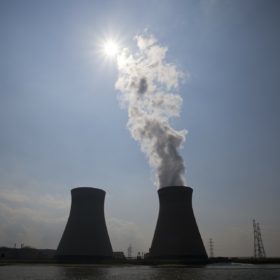
Logic supports renewables, not nuclear
The latest edition of the World Nuclear Industry Status Report gives the energy source little hope in the race against fast, widespread, job-friendly, popular renewables. The report reiterates clean power is taking the lead in the world’s energy system and nuclear is not only too costly a remedy for carbon emissions but too slow to deploy. Nuclear output grew only 2.4% last year while solar and wind power volumes grew 18% and 29%, respectively.
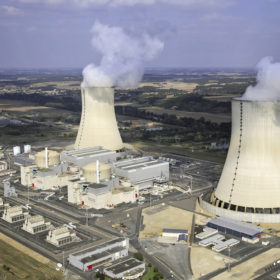
Nuclear: A poor investment strategy for clean energy
Study claims that investment in a new 1GW nuclear power plant leads to average losses of approximately 4.8 billion euros. It further argues that the technology’s dangerous radioactivity emissions and proliferation risks do not qualify it as a ‘clean’ energy solution to be considered for addressing climate change. Yet still, governments are incorporating the technology into clean energy plans around the world.
