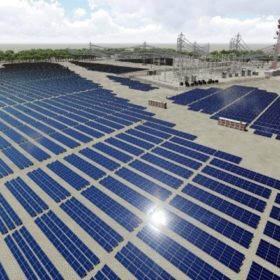
Advantage solar in Colombia’s first renewable energy auction
Some 22 projects were admitted to participate – 17 of them solar – in the country’s first RE procurement exercise, which will be held on February 26.
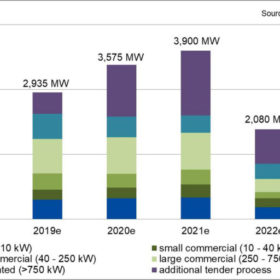
Germany to install more than 10 GW of PV before 2022 contraction
Extraordinary PV tenders by the federal government will provide for more growth. Market research company EuPD Research expects newly installed capacity of 4 GW in 2021. After that, however, the market could see a sharp reduction, after the 52 GW cap for solar subsidies is reached.
Spain hits 5 GW milestone
Approximately 261.7 MW of new PV systems were deployed in the country last year, according to provisional numbers from solar energy association UNEF. Once again, rooftop PV for self-consumption drove demand, although 26 MW of ground-mounted solar parks were connected in 2018.
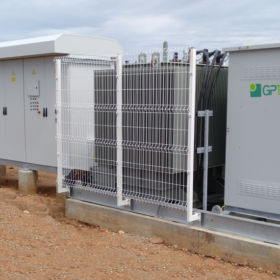
GPTech plan to manufacture inverters in South Africa
The production line would mean the Spanish company would comply with local content requirements. GPTech says its order book exceeds 400 MW, including 200 MW of large-scale projects in South Africa.
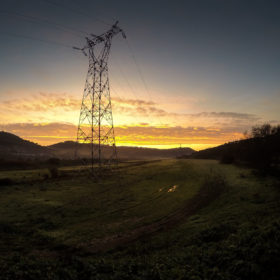
Two more large-scale PV deals announced in Portugal
Switzerland-based Edisun Power has acquired a 49 MW solar project in northeastern Portugal which is expected to be completed in the second half of next year. Cubico has secured financing for three operational PV facilities with a 29.6 MW capacity in the south of the country.
Indian state of Tamil Nadu floats new solar policy to generate 9 GW by 2022
The state government has unveiled its new solar energy policy. The ambition would encompass projects, programs and installations relating to solar PV and thermal energy, and is aimed at utilities as well as energy consumers.
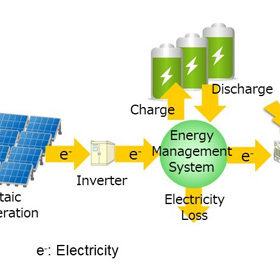
Japanese scientists seek to lower costs of PV-powered hydrogen
A research team has conducted a demonstration of the economic feasibility of battery-assisted, low-cost hydrogen production from solar. The scientists claim their system will mean hydrogen could be produced for $0.15-0.25 per cubic meter in 2030.
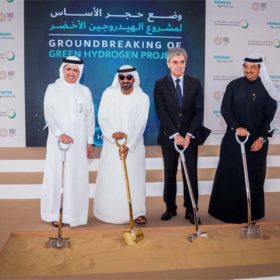
DEWA begins work on hydrogen facility at Rashid Al Maktoum park
Only three months after issuing the project tender, the Dubai Water and Electricity Authority is building the plant with the support of Expo 2020 Dubai and Siemens.

Tokyo Gas invests further in solar and creates JV for storage
The acquisition of a 4.8 MW solar plant in the Kyoto prefecture and creation of a joint venture with Japanese storage specialist Exergy are part of the group’s 2020 plan to diversify its business into renewables and acquire 1 GW of capacity in them.

Uzbekistan launches 100 MW solar tender for southwest
State-owned energy company Uzbekenergo has issued a request for pre-qualification for the projects, planned for the Navoiy region in southwestern Uzbekistan. The tender process is expected to be finalized by the end of June.
