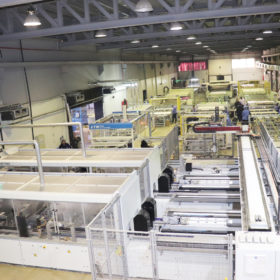
Philadelphia Solar raises module capacity to 500 MW
The Jordanian PV module manufacturer plans to add two new production lines at its factory in Amman over the next 12 weeks. The new lines will add half-cell and bifacial mono PERC modules to the company’s product range.
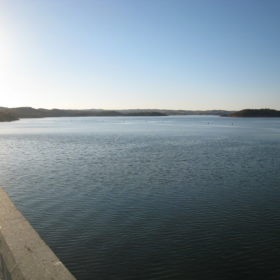
EDP plans first MW-scale floating PV project in Portugal
The Portuguese utility is seeking permission to deploy a 4 MW floating solar plant at the Alqueva water reservoir in southern Portugal. The solar array will feature around 10,000 PERC half-cell solar modules.
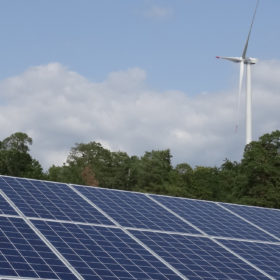
Germany sees new PV additions surpass 300 MW in April
In the first four months of the year, over 1.6 GW of solar power generation capacity came online in the country. Next month the FITs for rooftop PV will fall by 1.4%.

Brazil sets ceiling price of $69.7/MWh for upcoming A-4 auction
The tender is on June 28. This year’s procurement exercise may allocate less capacity than previous auctions, due to lower demand for contracting new projects.

Chile to issue $1.5 billion green bond
The funds will be used for renewable energy facilities and projects associated with the bond have already obtained Climate Bond Initiative certification.

Argentina “mini” renewables auction moves forward
Some 56 bids were submitted for the fourth round of the RenovAr program for large scale renewables. Projects will be selected on July 22. With this procurement the Argentinian government wants to allocate a total of 350 MW of solar and wind generation capacity, with a 10 MW size limit per project.
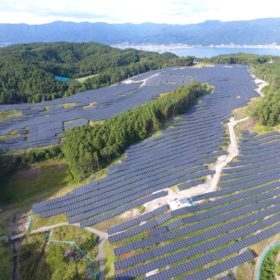
Sonnedix reaches financial close for a 171 MW project in northern Chile
The $99 million financing was provided by the CAF development bank of Latin America. The large scale solar facility will be in the Atacama desert.

EDF signs for millions of modules from Canadian Solar
The 1.8 GW supply deal is the largest in Canadian Solar’s history and includes the company’s new BiHiKu high-efficiency bifacial modules.
New York’s winter solar duck curve is on the way
A site origination exercise and load analysis by Cornell University suggests 9 GW of solar will reduce peak demand in New York by nearly 10%. However it also found solar needs better capacity valuations to make for a stronger market, and will drive a winter time duck curve during a season of lower electric demand.
Netherlands introduces soft restrictions for solar parks on agricultural land
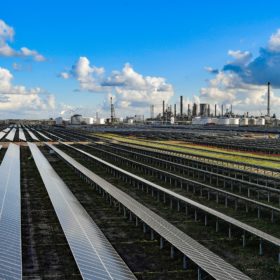
The Dutch parliament has approved a motion made by the governing coalition to restrict construction of large scale solar plants on agricultural land but has watered down its provisions. Under the legislation, solar parks will only be permitted on agricultural land in areas where no smaller alternative projects are viable.
