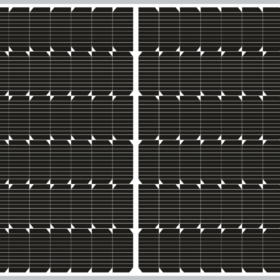
Gautam Solar unveils 450 W M10 solar module for rooftop applications
Indian manufacturer Gautam Solar has introduced 450 Wp mono PERC modules for rooftop PV installations. The modules feature 120 half-cut cells based on M10 wafers and offer a power conversion efficiency of up to 21.28%.
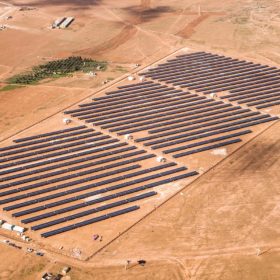
Solar in exchange for desalinated water
Israel and Jordan have agreed to pair 600 MW of solar with an undisclosed amount of storage. The deal, which was brokered by the United Arab Emirates at COP27, will see Jordan provide electricity to Israel in exchange for desalinated water.

Solar gaining traction in Sao Tome and Principe
The island nation of Sao Tome and Principe switched on the initial phase of its first 2 MW solar project in August. Construction of 1.4 MW of PV capacity is now underway at two airports, and developers plan to install a total of 1.7 MW by 2023.
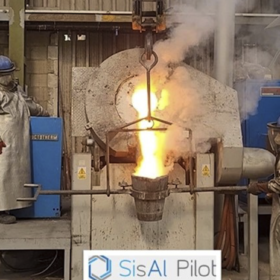
Novel production process for solar-grade silicon
The SisAl Pilot project produces solar-grade silicon from Spanish quartz without using coal and with zero CO2 emissions. The company behind the project claims that the process is cheaper and more sustainable.
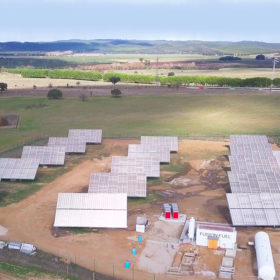
Portugal switches on first solar-to-hydrogen plant
The Portuguese Fusion Fuel and Ballard Power have announced the successful commissioning of the H2Évora plant on Portugal The grid-connected pilot project will produce an estimated 15 tons of green hydrogen per year.
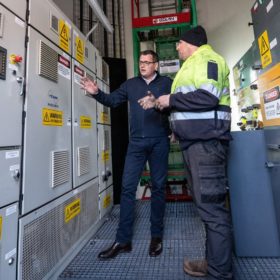
Neighborhood battery plan to maximize solar benefits in Australia
The government of the Australian state of Victoria has unveiled an ambitious plan to install 100 battery energy storage systems by the end of 2026, as part of a broader strategy to support the rollout of more rooftop solar.
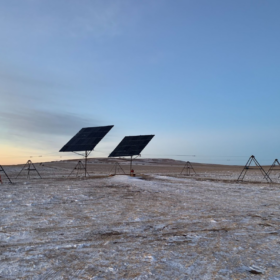
Agrivoltaic solar tracker uses cables instead of buried steel
Rute Foundation Systems says its Rute Suntracker system – designed for utility-scale, high-clearance solar – could potentially reduce steel use by 30%.

French startup reveals rooftop system with PV panels, mini wind turbines
French startup Unéole has developed a rooftop system that combines solar and silent wind turbines. It claims its system can produce 40% more energy than standalone rooftop solar arrays. It is now testing the device, with plans to commercialize it by 2023.
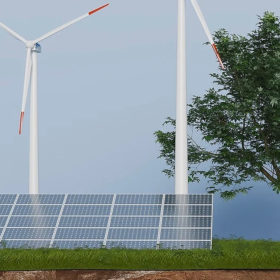
KKR invests $400 million in India’s Serentica Renewables
Serentica Renewables is developing 1.5 GW of solar and wind power projects in India. Over the medium term, it aims to install 5 GW of clean energy capacity, coupled with different storage technologies. The investment by KKR will support its industrial decarbonization projects.

Rooftop PV performance during heatwaves
Chinese researchers have assessed the impact of residential rooftop PV arrays on energy use and surrounding air temperatures during extreme heatwaves. They found that panels with higher conversion efficiencies achieved the best results.
