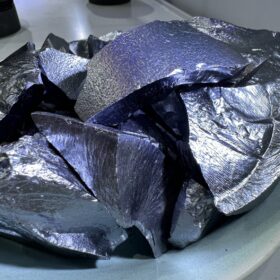
Chinese PV Industry Brief: Polysilicon output set to fall by 15% in January
Polysilicon trading in China remained largely inactive, with production cuts accelerating and wafer prices falling week on week, while downstream cell prices continued to rise and module prices held steady, according to a trade group representing China’s nonferrous metals sector.
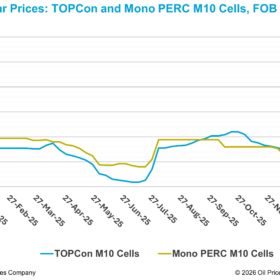
TOPCon cell prices rise for fourth week amid elevated silver costs and export rebate uncertainty
In a new weekly update for pv magazine, OPIS, a Dow Jones company, provides a quick look at the main price trends in the global PV industry.
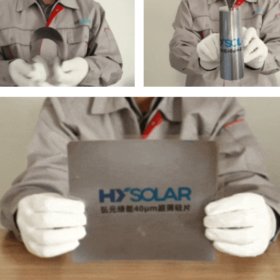
Hongyuan rolls out 40 µm ‘engineering-ready’ ultra-thin silicon wafers
Hongyuan Green Energy says it has produced a first batch of 40 µm monocrystalline silicon wafers that support full-size and half-cut formats, with slicing completed using the company’s in-house wafering equipment.
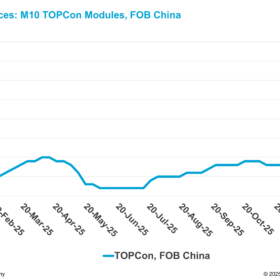
China TOPCon solar module prices climb over 30% since mid-December
In a new weekly update for pv magazine, OPIS, a Dow Jones company, provides a quick look at the main price trends in the global PV industry.

Omani polysilicon factory reaches financial close
United Solar Holding has secured more than $900 million to complete the financing required for its 100,000 MT polysilicon manufacturing facility in Oman. Production is expected to begin during the first quarter of this year.
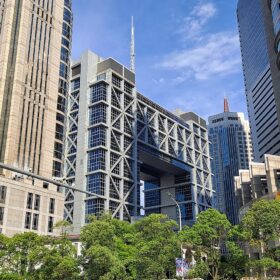
Chinese PV Industry Brief: Major solar manufacturers report steep full-year losses
JA Solar, TCL Zhonghuan, JinkoSolar, Trina Solar and Daqo each announced significant losses for full fiscal year 2025 amid continued price declines and overcapacity.
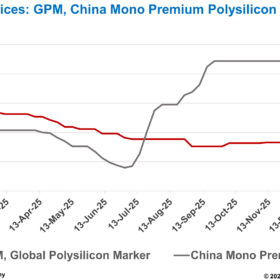
Compliance premiums lift global polysilicon prices
In a new weekly update for pv magazine, OPIS, a Dow Jones company, provides a quick look at the main price trends in the global PV industry.
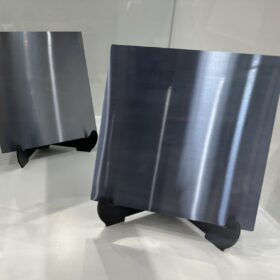
OCI Holdings begins manufacturing operations at 2.7 GW wafer factory in Vietnam
The facility will produce solar wafers for the U.S. market.
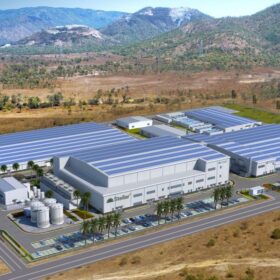
Stellar reveals scale of 2 GW solar ingot and wafer manufacturing plant
Plans to establish Australia’s first commercial-scale solar ingot and wafer manufacturing plant near Townsville in north Queensland are advancing with developer Stellar PV providing an early glimpse of the proposed 2 GW facility.
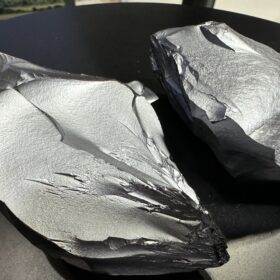
China extends anti-dumping duties on solar-grade silicon from US, South Korea
The duties range from 53.3% to 57% for U.S. producers and from 2.4% to 48.7% for South Korean companies and will remain in force for a further five years.
