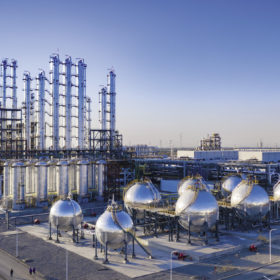
No let-up in sight for polysilicon price hikes
A prominent analyst in China expects the price of the solar panel raw material to pass CNY 300 ($44.70) per kg soon and says the sky-high prices will continue at least through September.
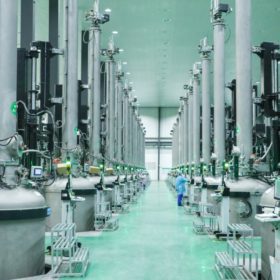
Chinese PV Industry Brief: JinkoSolar commissions 20 GW n-type ingot fab in Qinghai Province
In other news, DAH Solar announced a 5 GW TOPCon solar module factory in Anhui province and Tongwei further raised the prices of its solar cells.
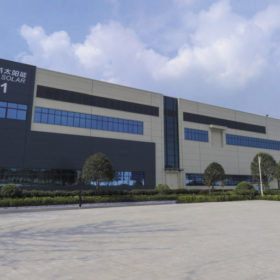
Chinese PV Industry Brief: Big polysilicon deal, new 10 GW solar cell factory
JA Solar has revealed plans to build a 10 GW cell factory in Jiangsu province, while Shuangliang Eco-Energy has agreed to buy 222,5000 metric tons (MT) of polysilicon from Tongwei.
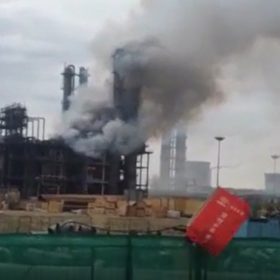
Chinese polysilicon producer shuts down factory due to fire
East Hope has halted production due to a fire at its factory in the Zhundong Economic and Technological Development Zone, in China’s Xinjiang region. pv magazine recently spoke with polysilicon analyst Johannes Bernreuter about the possible consequences of the fire on the supply chain.

Chinese PV Industry Brief: Almaden secures glass order from Trina Solar
Almaden and Trina Solar have signed a long-term solar glass supply deal, while Growatt has revealed plans to list shares in Hong Kong. PV glassmaker Xinyi, meanwhile, has issued a gloomy profit outlook for the first half of 2022.
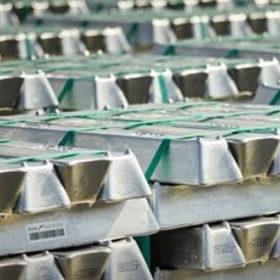
UAE aluminum maker enters silicon metal, polysilicon business
Emirates Global Aluminium (EGA) wants to produce silicon metal to create an integrated supply chain for the PV industry in the United Arab Emirates.
Chinese PV Industry Brief: China’s solar cell capacity exceeds 361 GW
Tongwei has also secured another massive polysilicon order and Golden Glass has invested in more heterojunction solar cell capacity. Furthermore, China’s National Energy Administration (NEA) said 23.7 GW of new solar was deployed in China in the first five months of the year.
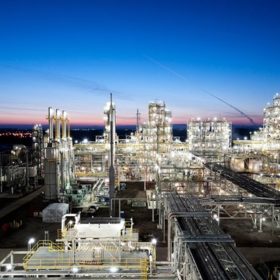
REC Silicon, Ferroglobe to establish traceable US solar supply chain
Investments by Hanwha Group and the potential passage of the Solar Energy Manufacturing Act could expand US production of polysilicon and metallurgical-grade silicon.
Chinese PV Industry Brief: 1 GW TOPCon module supply order for JinkoSolar
JinkoSolar has scored a 1 GW PV panel order in China and Risen suspended a $758 million private placement of shares.

Chinese PV Industry Brief: Polysilicon price exceeds $40/kg, another 5 GW of cell capacity comes online
Longi commissioned a 5 GW solar cell factory in Ningxia Province and Gokin Solar announced plans to build a 50 GW ingot factory in Sichuan Province. Furthermore, PV equipment manufacturer Jinchen supplied 2 GW of production lines to Adani Solar in India.
