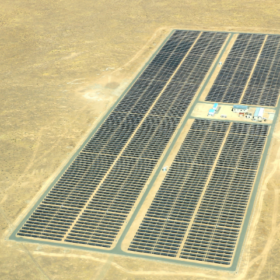
Namibia launches tender for bundle of renewable energy projects
The Namibian government is looking for consultants to provide development, environmental and advisory services for a range of renewable energy projects, including solar, wind and battery energy storage systems (BESS).
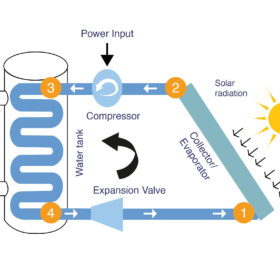
New solar-air dual-source heat pump design based on blower fans
Scientists have utilized two blower fans with two roll-bonded bare plates to create a heat pump that can operate in variety of ambient temperature and solar radiation conditions. The system has an average daily coefficient of performance of 3.24.
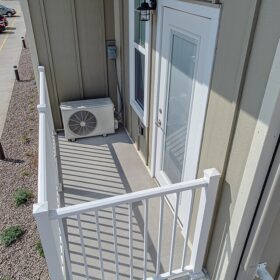
Multiple UK heat pump laws recommended for revision
Scrapping size limits on outdoor compressor units and removing location restrictions are just two of the eight policy changes the United Kingdom government should consider in its campaign to install 600,000 heat pumps by 2028, according to consultancy firm WSP.
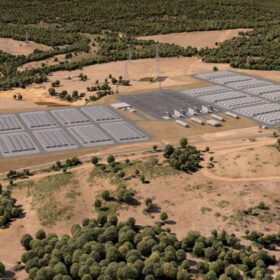
Synergy secures planning approval for 2 GWh big battery
Australian utility Synergy has secured approval for its plan to build a 500 MW/2,000 MWh battery energy storage system in Western Australia.
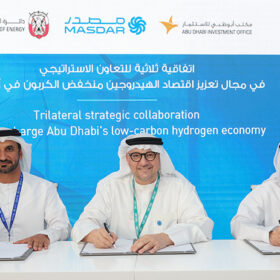
The Hydrogen Stream: Masdar signs more hydrogen deals at COP28
Masdar unveiled a 10 GW Africa Growth Plan for renewable investments in six Sub-Saharan Nations at COP28 in Dubai this week, in addition to signing four additional hydrogen deals.
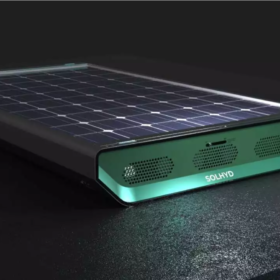
KU Leuven spinoff plans MW-scale production of solar-hydrogen panels
Solhyd, a KU Leuven spinoff, is refining its technology to reach megawatt-scale production of hydrogen-producing solar panels with a €6 million ($6.5 million) investment from a consortium of Flemish investors.
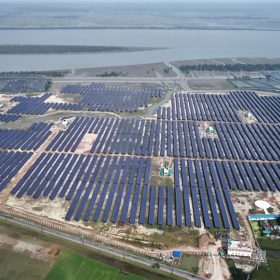
Bangladesh approves 1.5 GW of solar
Bangladesh has approved more than 1.5 GW of solar projects over the past seven months, with recent developments including tariffs for 200 MW in November and 310 MW in October.

Planet One Group secures $52 million financing for 50 MW solar farm in Sierra Leone
A consortium of financial institutions last week announced they co-invested $52 million to help finance the development of a 50 MW greenfield project in Sierra Leone titled Planet Solar spearheaded by Frontier Energy and Planet One Group.
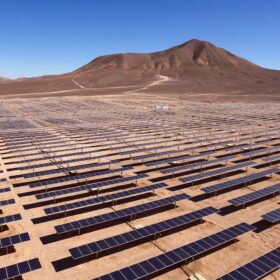
Solar LCOE now 29% lower than any fossil fuel option, says EY
A report from Ernst & Young (EY) shows that despite inflationary pressures, solar remains the cheapest source of new-build electricity. The global weighted average levelized cost of electricity (LCOE) for PV is now 29% lower than the cheapest fossil fuel alternative.
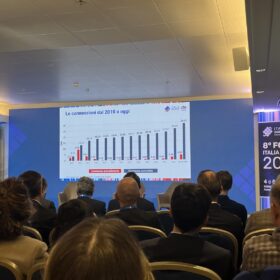
Key takeaways from Italia Solare Forum
The Italia Solare Forum this week in Rome highlighted the renewed importance of the large-scale solar segment in Italy and underscored the huge potential of energy communities, given the EU’s recent approval of a dedicated incentive scheme.
