
“There are four or five key issues in project quality control, most of them before installing the first module”
PI Berlin plans to open a headquarters in Spain next year. pv magazine has spoken with Senior Consultant Asier Ukar about market expectations, the most recurrent quality failures in Spain, risks, certification and protectionism. “After 10 years, we return to Spain with much enthusiasm,” he told us.
German government plans softer FIT reduction for commercial solar
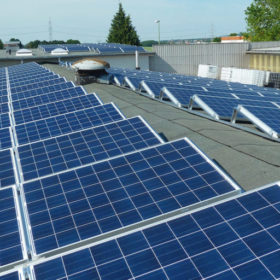
The coalition government has reached agreement on the FIT reduction for rooftop PV not exceeding 750 kW in size. According to a draft bill, seen by pv magazine, the FIT will be reduced to €0.0987/kWh from February, with further cuts in March and April, which would take it down to €0.0890/kWh.
EU approves France’s €600 million scheme to support innovative PV
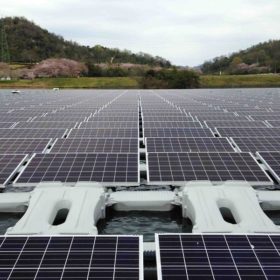
Through the program, the French government is supporting projects ranging in size from 100 kW to 5 MW. Tenders, to award 20-year FIT contracts for projects, will be held by the end of 2019.
Poland’s second largest coal producer to deploy 70 MW of solar at mining site
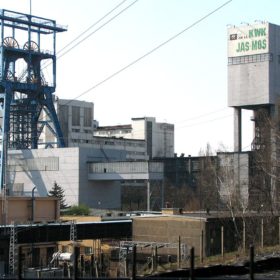
Polish power company ZE PAK SA has an 8.5% share of the country’s electricity market. Total investment in the solar project is estimated at approximately PLN200 million ($52.5 million).
Sonnen begins battery production in Australia
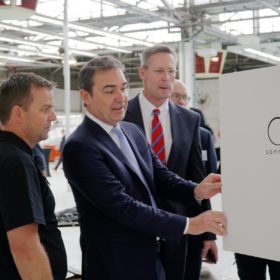
The German energy storage provider has begun assembling batteries at the former Holden site at Elizabeth in Adelaide’s north. The company has already hired 50 full-time employees.

Macron delays reduction of nuclear share by a decade, but announces 45 GW solar target by 2030
Although the French President promised that solar capacity will increase fivefold by 2030, France’s new energy strategy will keep nuclear power at the core of its electricity system. The decommissioning of approximately 20% of France’s nuclear power generation assets, originally set by the country’s energy transition law for 2025, has been delayed to 2035. Macron said this plan may be reconsidered, however, if storage technologies help mitigate intermittence issues and if there can be stronger European integration.

Chilean authorities approve 250 MW (AC) solar project
The €240 million Parque Fotovoltaico Sol de Vallenar project is being developed by Spain’s Cox Energy in Chile’s northern region of Atacama.
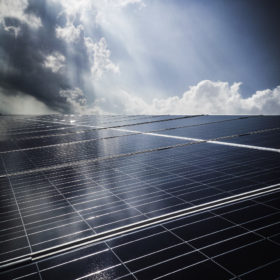
Philippine regulator opposes net metering expansion
The Philippines’ Energy Regulatory Commission (ERC) has said the removal of the 100 kW cap for solar installations under net metering would be difficult for the nation’s grid to accomodate. Meanwhile, a proposal to raise the threshhold is being discussed in the country’s Senate.
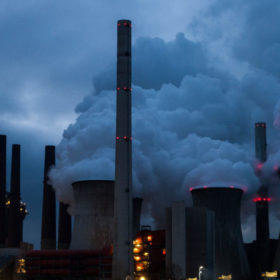
Greenpeace Energy wants to buy Germany’s RWE coal business, replace it with 8.2 GW of renewables
The Hamburg-based green electricity provider wants to shut down RWE’s coal power plants and replace them with 8.2 GW of wind and solar systems. Approximately €7 billion would be invested in the new facilities, which would be built without any public support. Key to the initiative will be citizen participation.
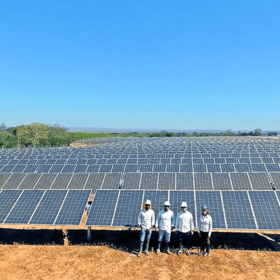
EDF, Canadian Solar receive financing for 399 MW (DC) Brazilian PV project
The Pirapora solar complex, located in the Brazilian state of Minas Gerais, began supplying electricity to the Brazilian grid in mid-2018.
