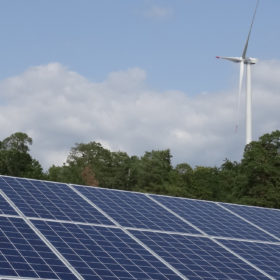
Germany starts first mixed wind-solar auction
Bids for solar PV ground-mounted projects and wind farms on land can be submitted to the Federal Network Agency by April 3. Overall, the German government will allocate around 200 MW of capacity in the tender.
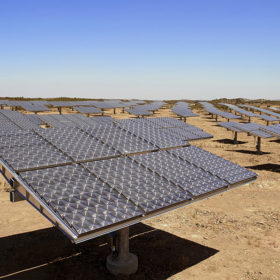
Portuguese grid operator to invest €70 million to accommodate more solar
Overall, the grid improvement is expected to enable at least 800 MW of new solar PV plants to come online in the south of the country.

Enel switches on 103 MW solar plant in the Brazilian state of Bahia
The $110 million project is expected to generate 220 GWh per year.

Belgium plans big off-shore solar projects in the North Sea
A few days after the first grid-connected off-shore solar PV project was announced in the Netherlands, the Belgian government has unveiled plans to make the North Sea a solar energy hub.
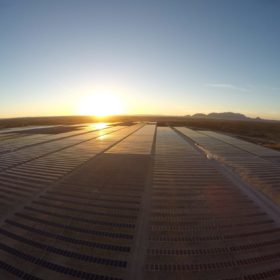
The future looks bright for solar energy development in Mexico
Mexico is set to become the largest solar PV market in Latin America, with around 2 GW of installs expected annually. Political and regulatory uncertainty do not appear to be affecting investor interest, with more opportunities than challenges present. pv magazine attended GTM Research’s Solar Summit Mexico last week to report on the latest developments in the Mexican market.
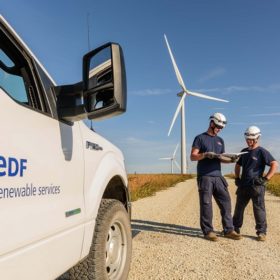
EDF 2017 financials squeezed as utility accelerates transition from nuclear to renewables
Despite hitting annual sales targets, revenue slips following fall in nuclear and hydropower prices in French utility’s key markets. New Solar Plan forms backdrop of renewable energy transition, company says.
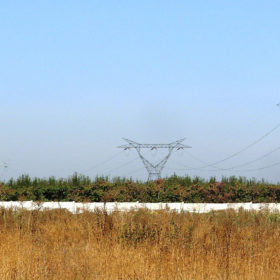
IEEFA identifies nine markets pushing boundaries of variable renewables integration
Latest report by IEEFA showcases nine case studies among the world’s leading states by wind and solar market share, which can serve as an example for other countries on their energy transition pathways.
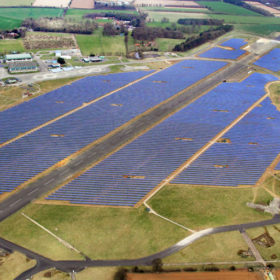
China to achieve solar grid parity in 2023, slow development of storage hinders RE adoption, survey shows
Examining the outlook for renewables, grid and infrastructure, and energy storage for the next five years and beyond, the Lloyd’s Register 2018 Technology Radar study asks the question: When will renewables become the dominant source of energy?
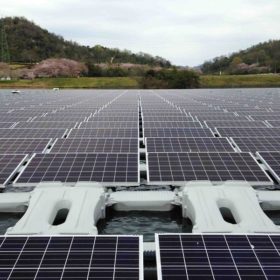
South Korean state energy firm plans 100 MW floating PV project
Korea Hydro & Nuclear Power signs memorandum of understanding with solar developer, Hwaseong Solar Energy to construct what would be nation’s largest floating solar farm on western coast.
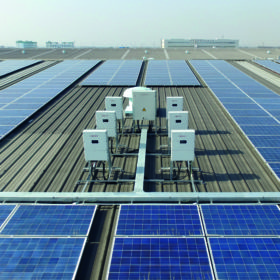
Energy Community Secretariat issues policy guidelines for eastern European prosumers
The international organization, which aims to extend the good practices of the EU’s internal energy market to southeastern Europe and the Black Sea region, has released new guidelines for the grid integration of distributed generation power generators.
