Novel attempt to design solar cells based on zinc phosphide
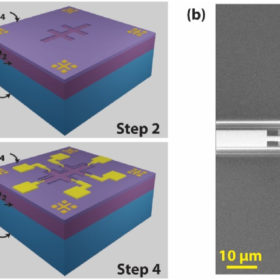
European researchers have looked at how zinc phosphide could be used in solar cell development and found that monocrystalline thin films might perform better than polycrystalline films in electrical devices. They also determined that the performance of such films is directly correlated to the zinc/phosphide ratio.
Replacing MPPT with direct PV-battery coupling
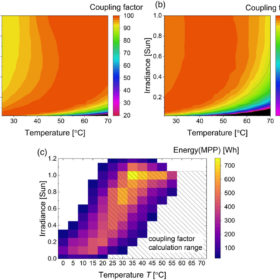
Researchers in Germany have assessed direct coupling and integration between PV and batteries at the scale of a single PV module. They say their solution could be cheaper and provide superior performance than maximum power point tracking (MPPT) in optimizing PV system performance.
Panasonic unveils ultrasonic meter to measure hydrogen flow, concentration
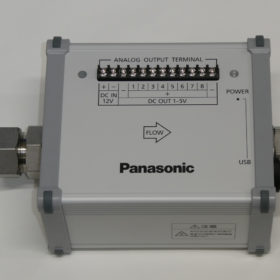
Japan’s Panasonic says its new GB-L1CMH1A meter can operate without changing the state of the fuel cell. It says it can also measure a wide range of hydrogen flow rates and concentrations.

IIT-Madras Research Park signs thin-film R&D deal with First Solar
IIT Madras Research Park and US-based First Solar have agreed to cooperate on a range of R&D activities, including the localization of thin-film solar and other next-generation PV technologies in India.
Emmvee to set up 1.5 GW solar cell factory with Fraunhofer ISE’s support
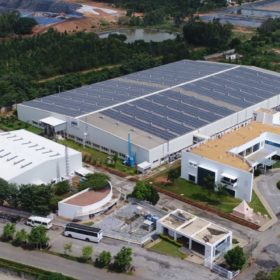
Emmvee says its new factory in India will produce PERC and TOPCon solar cells.

Vireo Ventures to invest €60 million in up to 30 startups
Felix Krause, co-founder the Vireo Ventures, tells pv magazine that the Berlin-based company plans to make pre-seed and seed-phase investments in startups that are developing innovations for the energy transition.
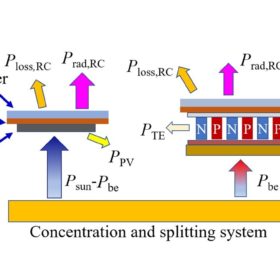
Photovoltaic-thermoelectric tech with potential efficiency of 65%
Chinese scientists have simulated a new photovoltaic-thermoelectric technology, based on radiative cooling and III-V solar cells, to generate electricity at night.
Hydrogenated amorphous silicon oxide solar cell for BIPV, VIPV, agrivoltaics
Scientists in Spain have developed a transparent solar cell with an average visible transmittance of up to 66%. The device could be used for ubiquitous device functionalization, including indoor PV and agrivoltaics.
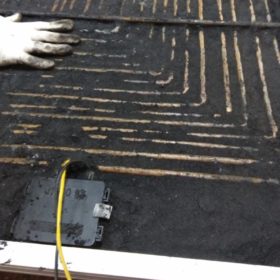
Photovoltaic-thermal module based on biochar-PCM achieves 79.6% efficiency
Indian scientists have developed a panel with an electrical efficiency of 13% and and thermal efficiency of 66.6 %. They built the system with a 100 W PV panel, a rectangular absorber, and a cooling technique based on a phase change material (PCM) that uses biochar derived from water hyacinth.

Tandem perovskite-silicon solar cells retained 80% of efficiency after 1 year
Saudi Arabia researchers claim to have improved the outdoor stability of a tandem perovskite-silicon solar cell by using proper encapsulation. By the end of the first year of operation, the cell’s fill factor remained above 70%.
