
‘Footstep tech’ for solar module cleaning
Scientists in South Korea have used a triboelectric generator and an electrodynamic dust shield to develop a panel-cleaning system that can be activated by footsteps. They said the system can remove more than 70% of accumulated dust with the pressure of just 12 footsteps.
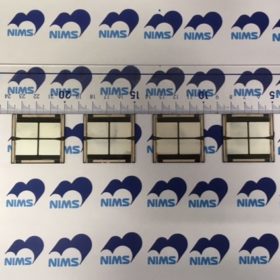
Methylammonium-free perovskite solar cell with 22.29% efficiency
Japanese scientists have built a perovskite solar cell without methylammonium to improve the device’s thermal stability. The cell showed better efficiency and stability under standard testing conditions.

Vertical PV to protect biodiversity at German airport
An 8.4 kW pilot vertical PV project is now operating at the airport in Frankfurt, Germany. The solar panels are vertically arranged to protect the biodiversity of the site. In the final stage of expansion, the system will reach up to 13 MW of output.
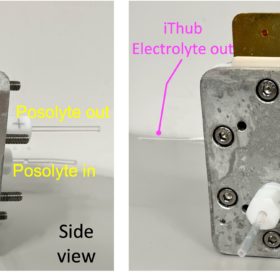
Zinc-cerium redox flow battery for renewable energy storage
Scientists in Hong Kong have designed a redox flow battery with electrolytes made of zinc and cerium. They claim to have solved the incompatibility issue posed by these two elements. The device achieved a record average Coulombic efficiency of 94% during cycling.

Fraunhofer ISE develops direct metallization tech for heterojunction solar cells
Germany’s Fraunhofer ISE is applying its FlexTrail-printing technology to the direct metallization of silicon heterojunction solar cells. It said the technique reduces the use of silver, while maintaining high efficiency levels.
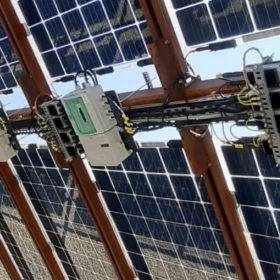
Enel Green Power, INES develop DC/DC MPPT converter for solar panels
Enel Green Power’s initial tests show that the addition of DC/DC MPPT converters to a pilot PV plant has driven a 1% energy production gain. It now plans to deploy the solution on a 1 MW power plant in Italy.
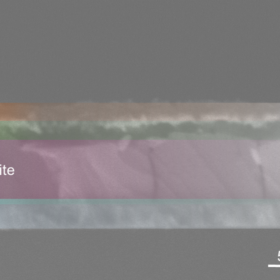
Perovskite solar cell with copper electrode hits 20.1% efficiency
Chinese researchers have developed a new solar cell with a planar n-i-p structure and an indium tin oxide (ITO) substrate. It also has a tin(IV) oxide (SnO2) buffer layer, a perovskite layer, a hole transport layer (HTL), and a layer made of copper. It was able to retain around 92% of its initial efficiency after 1,000 hours.
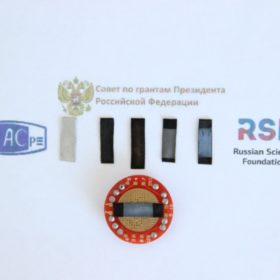
Heterojunction solar cell based on new black silicon achieves 7.5% efficiency
Russian researchers have developed a heterojunction device based on a new wide-band black material called “black silicide.” The cell has averaged reflection (AVR) of 15% in the spectral range of 200 nanometers to 1,800 nm and purportedly can reach an efficiency of 10%.
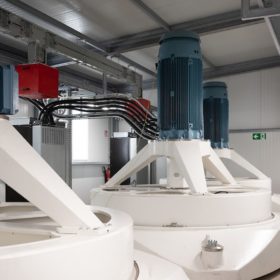
Dutch startup stabilizes Netherlands’ grid with 9 MWh battery-flywheel storage facility
S4 Energy and ABB recently installed a hybrid battery-flywheel storage facility in the Netherlands. The project features a 10 MW battery system and a 3 MW flywheel system and can reportedly offer a levelized cost of storage ranging between €0.020 ($0.020)/kWh and €0.12/kWh.

H2X launches Warrego hydrogen-powered pickup truck
Australian startup H2X is finally launching its hydrogen-powered Warrego pickup truck, following the announcement of the fuel cell electric vehicle (FCEV) last year. It is now undergoing final validation and verification and will likely hit the market within nine months, according to the company.
