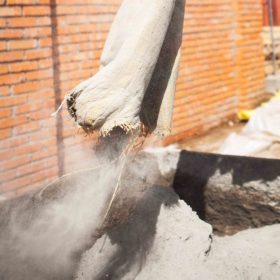
Cooling down photovoltaic panels with concrete
Scientists in Italy have proposed the use of radiative coolers made of cementitious materials to reduce the operating temperature of solar panels. The novel system configuration consists of a stack made by a reflector, a cement-based radiative cooler, and a bifacial solar cell.
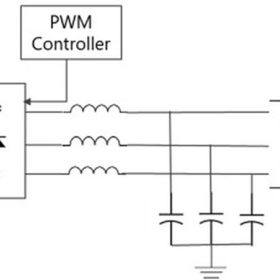
Lowering grid costs with voltage support from PV inverters at night
US researchers have proposed the use of solar inverters in utility-scale solar assets to replace expensive voltage compensators, in order to provide voltage support at night. They said reactive power from PV inverters could be significantly cheaper and suggested the introduction of incentives to convince PV plant owners.
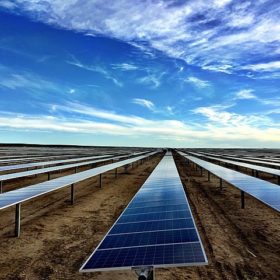
Solar PPAs key for hydrogen economy
Scientists in Spain have assessed the potential of power purchase agreements in ensuring the development of green hydrogen projects powered by utility-scale photovoltaics. They presented an operational multi-state modeling of electrolyzers and showed how solar plants under PPAs could significantly increase their rate of return.
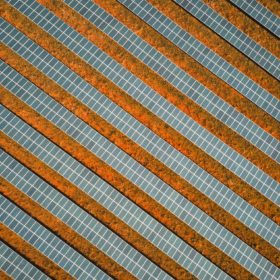
Tracking environmental performance improvements in solar modules
New life-cycle assessment (LCA) data for PV systems confirms that greenhouse gas emissions from 1 kWh of solar electricity are far lower than emissions from fossil-fuel power plants. The difference has been fairly constant since 2018, but has improved substantially since when IEA PVPS started reporting on this measure in 1996.
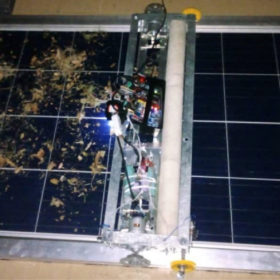
Color-sensing tech to remove dirt from solar panels
South African researchers have developed a new cleaning system for solar panels that uses a color-sensing light-to-frequency converter to detect dirt. It can reportedly remove around 95% of the dust from a PV panel in less than a minute, at a lower cost than other systems.
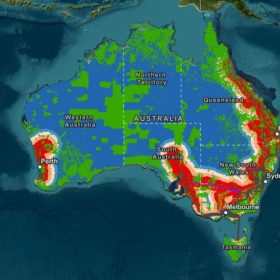
Australian researchers release heat maps for wind, solar project siting
Researchers from the Australian National University (ANU) have unveiled a new online tool to identify the best possible locations for the development of new large-scale wind and solar farms.
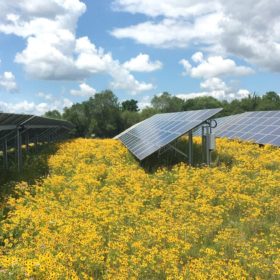
US government allocates $8 million to support agrivoltaics
The US government’s FARMS projects will examine multiple configurations of solar system design, crops, and cultivation methods in order to develop replicable models that may offer new economic opportunities.
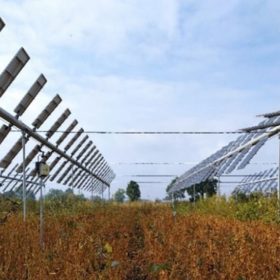
Agrivoltaics for soybeans
Italian researchers have looked at how soybeans could be grown in agrivoltaic installations and have found that the impact of shading is less significant than previously believed.
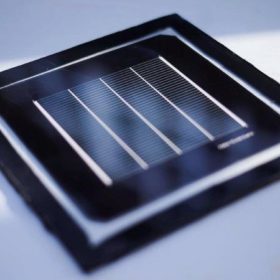
Meyer Burger to commercialize 29.6%-efficient perovskite tandem solar cells
Meyer Burger is working with several research institutes in Switzerland and Germany to integrate perovskite tandem technology into its manufacturing processes.
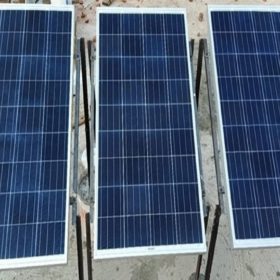
Hydrophobic nanocoating to reduce soiling in solar panels
Scientists in Egypt have created a self-cleaning, hydrophobic coating for solar panels that reportedly increases their efficiency by more than 30%. They used a coating solution based on polydimethylsiloxane (PDMS) and silicon dioxide (SiO2) nanocomposites, mixed with ethanol and isopropanol.
