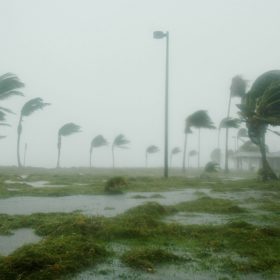
PV systems could provide up to 60% of output during hurricanes
Researchers in the U.S. have demonstrated, using simulations, PV system generation can range from 18-60% of clear-sky potential during hurricanes – provided the arrays do not suffer damage. According to them, solar installations could continue to provide back-up power when grids are down during hurricanes, especially if coupled with energy storage.
An 18.12%-efficient perovskite solar cell with reduced hysteresis
Researchers in Japan have modified the tin(IV) oxide layer of a perovskite device with a fullerene-derivative-based self-assembled monolayer to produce a cell they claim offers stability and a reduction in the hysteresis effect which makes predicting power output so tricky.
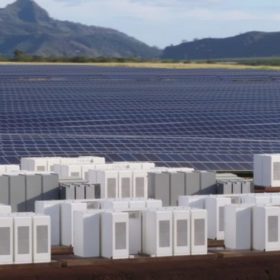
Hawaiian utility allocates 460 MW of PV and 3 GWh of storage in renewable energy procurement
Winners of the island state’s largest ever renewable energy procurement include AES, Hanwha, Engie, EDF, Longroad.
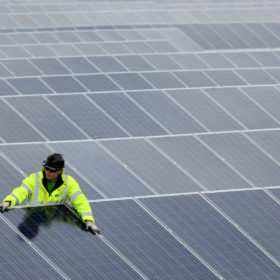
Anesco builds two solar parks in Netherlands
Anesco is making its international debut with two more major projects for Shell New Energies – its first endeavor outside the UK. The two solar parks in the Netherlands will have a combined capacity of 26 MW. Anesco previously partnered with Shell New Energies on a battery storage project in the UK.

Longi and DuPont expand collaboration on product innovation
The companies aim to jointly develop higher quality and more competitive cells and modules that will in turn ensure the viability of PV power plants.
PV plants lasting longer, with lower operational costs
Solar plants are now expected to last 32.5 years and cost $17 per kW/year to operate, as shown by a Berkeley Lab survey of industry participants.

Assessing the soiling mitigation properties of anti-reflective coatings
Researchers in China have sought to understand how soiling exacerbated by anti-reflective coatings might inhibit solar panel output. In terms of effectiveness against soiling, the scientists found hollow-silica-nanoparticle coatings did better than solid silica alternatives.
Solar costs have fallen 82% since 2010
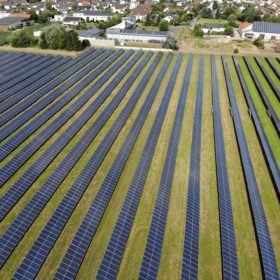
The levelized cost of energy generated by large scale solar plants is around $0.068/kWh, compared to $0.378 ten years ago and the price fell 13.1% between 2018 and last year alone, according to figures released by the International Renewable Energy Agency.

Bulgaria plans to introduce FITs for solar systems up to 30 kW
The government is considering a €0.12/kWh feed-in tariff for PV installations with a generation capacity of up to 5 kW and of €0.10 for 5-30 kW systems. If implemented, the scheme will come into force next month.

Israel wants another 15 GW of solar by 2030
Energy minister Yuval Steinitz has announced the country’s 2030 renewable energy target will rise to 30%, with solar expected to account for the lion’s share. Approximately $23 billion more clean energy investment is envisaged this decade.
