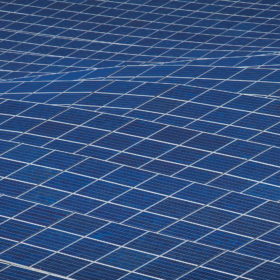
No such thing as ‘next-generation’ modules
According to one Dutch scientist, the development of PV technology in recent decades should be seen as an evolutionary process, rather than the constant emergence of new generations of equipment.
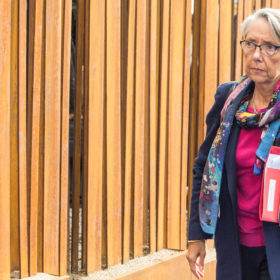
France awards 960 MW of solar through different tenders
Minister of the Ecological and Inclusive Transition Elisabeth Borne told a teleconference of renewables representatives the results of a recent slew of clean energy tenders which allocated 1.7 GW of generation capacity and also revealed new measures being taken to support the industry.
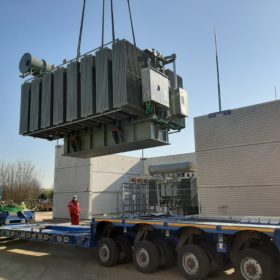
Giant transformers for grid debottlenecking
Dutch power company Liander has installed two large transformers at a distribution station in Ulft, in the province of Gelderland. The devices should provide more room for renewables on the network from next year.
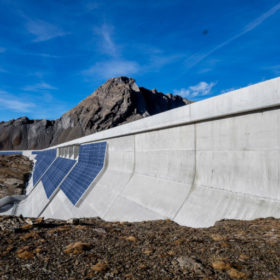
Vertical PV project on dam in Alps gets approval
Swiss developer Axpo is now modifying the design of the 2 MW plant and is expected to make a final decision on construction later this year. It is currently in negotiations with potential electricity consumers.
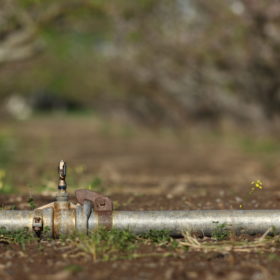
Solar pump moved by fuzzy logic
Researchers in the United Arab Emirates have proposed a PV-powered irrigation system that runs on a fuzzy logic-based algorithm, with a remote-control wireless monitoring system interface.
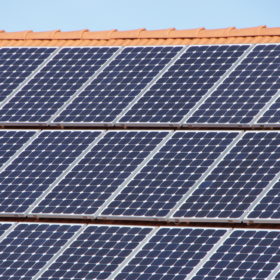
Netherlands to support residential PV through net metering for the entire decade
The Dutch government is planning to reduce tariffs by 9% annually from 2023 to 2030. The plan should still ensure a reasonable payback time for homeowners willing to go solar, according to the authorities.

Brazil postpones energy auctions
The Ministry of Mines and Energy has delayed auctions to procure new transmission as well as generation capacity and has not announced when they will resume.
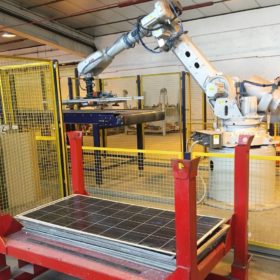
A mechanical technique for PV module recycling
An Italian consortium has developed a panel recycling process it claims can recover up to 99% of raw materials. The developers claim their technique takes only 40 seconds to fully recycle a standard panel, depending on size and recycling site conditions.

Covid-19 pandemic’s impact on Europe’s PPA market – Part III
In a recent conversation with pv magazine, Virginia Canazza, the CEO of Italian consultancy REF-E, outlined future scenarios for PV in the Italian PPA market. Projects will be delayed, as prices for gas and CO2 certificates are already low. Unsubsidized PV projects via PPAs might still be bankable, but it is unlikely that investors will risk dealing with small margins. Current capture prices do not justify investments and new entrants may wait for market stability.
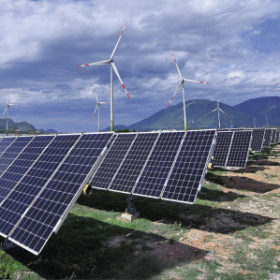
Covid-19 to wreck economics of new solar, wind projects
While the impact of the Covid-19 pandemic on the renewable energy market is still not clear, Norwegian consultancy Rystad Energy says that new solar and wind projects will grind to a halt in 2020, creating a ripple effect in the years to come, as currencies throughout the world continue to slide against the US dollar.
