Kenyans embrace d.light’s D30 Pay-Go solution
Since launching in October 2016, off-grid solar solution supplier d.light has sold over 120,000 units of its D30 Pay-Go home system. Most of the sales were made in East Africa, with the Kenyan market accounting for the majority of sales.
Fotowatio reaches financial close for 133 MW Jordan solar projects
The Spanish solar developer has announced that the financing agreement for two solar PV plants in Jordan with a total capacity of 133.4 MW has been finalized. Construction in the Mafraq region is set to commence shortly.
Strategic siting can boost solar development in Africa, says Berkeley Lab
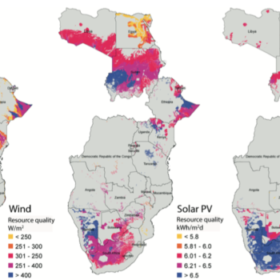
A report from U.S. Department of Energy’s Lawrence Berkeley National Laboratory (Berkeley Lab) assesses the wind and solar potential of Africa. According to the study, the two technologies can play a major role in the energy economy of the continent, especially if strategic siting and international interconnections are implemented.
French energy regulator publishes tender for commercial PV projects for self-consumption
The French Energy Regulatory Authority has published the tender for the installation of renewable energy and PV projects for self-consumption ranging in size from 100 kW to 500 kW. Through the tender the French government aims to allocate 450 MW of renewable energy capacity over the next three years.
Algerian renewable energy sector raises doubts on 4 GW solar tender
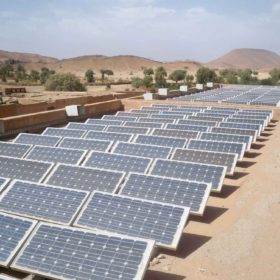
Parts of Algeria’s renewable energy sector is questioning the 4 GW solar tender recently announced by the Algerian government. Provisions on domestic content requirements and the large share that state-owned entities will have on the ambitious solar plan are seen as the major obstacles for its implementation.
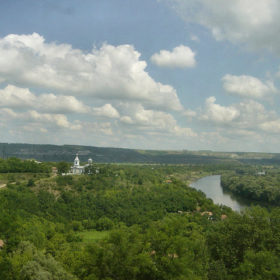
Moldova’s new renewable energy law comes into force, solar expected to see first growth
A new renewable energy law will come into force in the Eastern European country on April 1. Solar and wind are expected to see their first development in the country after several years of almost zero-growth.
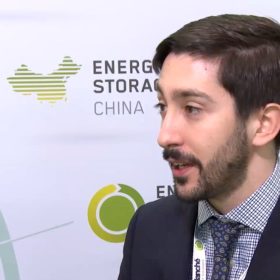
Redox flow batteries on the rise
Video interview: prices for redox flow batteries are sinking, while installed capacity increases steadily. Lorenzo Grande, technology analyst at IDTechEx, explains here the opportunities and limitations of flow technologies, and how the related market will likely develop.

Greece installs first virtual net-metering PV; awaits ministerial approval
Greece’s first virtual net-metering PV system is installed on the rooftop of a school in Thessaloniki, the country’s second biggest city. The system is funded by Greenpeace Greece but is not yet connected to the grid, as it is waiting for a ministerial decision facilitating virtual net metering.

Afghanistan approves plan to deploy 65 MW of solar
The Afghan government has approved a plan for the deployment of 100 MW of renewable energy capacity. The plan includes 65 MW of solar tendered by the government in 2016.
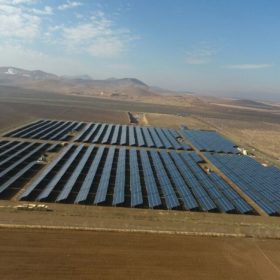
Iran’s PV market expected to see strong growth over next 12 months
Between 750 MW and 800 MW of renewable energy generation capacity will be installed in Iran in the country’s current calender year. Most of this capacity will come from solar and wind. Meanwhile, the country has reached approximately 22 MW of cumulative installed solar capacity, as of the end of February 2017.
