
Sodium-ion batteries for EVs, renewables storage
US scientist have developed a new electrolyte design for sodium-ion batteries to improve their long cycling performance. The low-solvation electrolyte was designed for high-voltage sodium-ion batteries, which retained 90% of their capacity after 300 cycles.
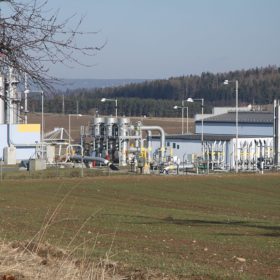
Oil and gas reservoirs are cheapest options for underground hydrogen storage
New research from Ireland shows that depleted oil and gas reservoirs may be used to store hydrogen at a cost of $1.29/kg. According to the researchers, underground hydrogen storage may benefit from the technological maturity of the geologic storage of natural gas and CO2, which are associated with decades of established knowledge.

Heat pumps ‘grossly underestimated’ technology for Australia’s decarbonization
Interest and investment in heat pumps have surged in Europe, but in Australia the technology has struggled to find a serious foothold. Despite the potential, dodgy technology suppliers and schemes gone awry have left a bad taste in Australia’s mouth, CEO Jarrod Leak tells pv magazine Australia
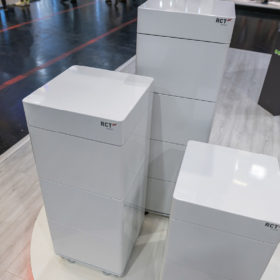
The weekend read: Energy storage efficiency and prices determine economics
Estimating the total cost of energy storage connected to a rooftop PV installation is a complex affair, involving factors such as tax, the policy environment, system lifetimes, and even the weather. As part of its extensive overview of distributed energy storage in Germany, pv magazine Germany analyzed the efficiency of different battery energy storage systems to create a comparable index that illustrates the cost of a stored kilowatt-hour.
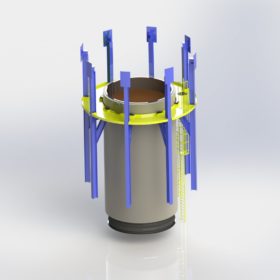
Hybridizing compressed air, thermal energy storage in post mining infrastructure
Scientists in Poland have developed a compressed air energy storage technology using a thermal energy storage (TES) system built into a disused mine shaft. The system works without external heat sources, and utilizes an air compressor, a compressed air reservoir with a built-in thermal energy storage system, and an air expander.

Viessmann builds heat pump factory in Poland
The Germany-based heating specialist wants to invest more than €200 million (US$200.5 million) in the new heat pump facility.
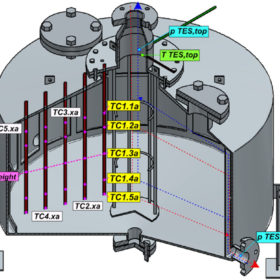
Storing renewables via radial-flow packed bed thermal energy storage
Researchers in Sweden have created a thermal energy storage system relying on a dynamic air mass flow rate that is applied during both charge and discharge processes. It achieved a maximum thermal efficiency of around 70%.
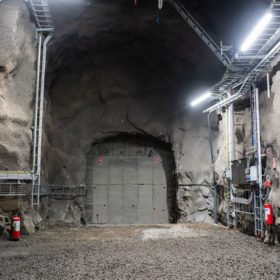
Swedish consortium completes rock cavern for green hydrogen storage
Vattenfall and its partners have finished building a 100-cubic-meter underground facility to store green hydrogen.
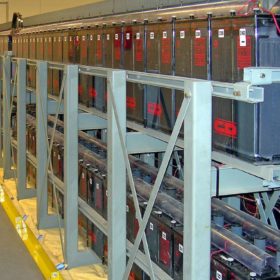
The real value of energy storage
An international research team has developed a new way to evaluate the economic value of energy storage technologies. They went beyond pure cost assumptions to consider the benefits that such technologies could bring to energy systems.
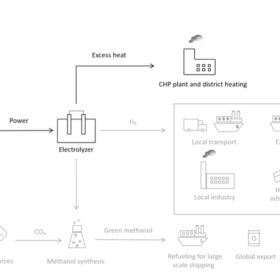
Waste heat from hydrogen production for district heating
The use of waste heat from hydrogen production in district heating could increase the attractiveness of green hydrogen, according to new research from Sweden.
