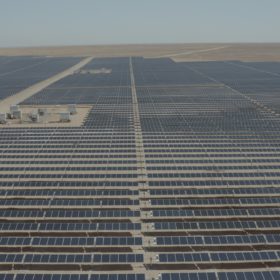
ACWA Power switches on 50 MW solar park in Jordan
The PV project, which was tendered by Jordanian utility NEPCO in 2017, will sell power at $0.059/kWh. The plant is located in Jordan’s Risha region, which is roughly 300 km northeast of Amman.

Netherlands: Bid to exclude grid-congested areas from subsidy fails to stem solar tide
Some 7,525 renewables projects with a total generation capacity of 6,223 MW are under review by the Dutch Ministry of Economy in the second round of the SDE+ program for this year. Solar accounts for 74.7% of the submitted capacity.

India seeks global bids for 1.2 GW of PV-wind projects, plus another 1.2 GW of PV
Solar Energy Corp. of India will sign 25-year power purchase agreements for the projects, which developers will be free to build, own and operate anywhere in India.
Danish renewables auction too successful at driving down public cost of clean energy
The Danish Energy Agency allocated 252 MW of clean energy generation capacity, of which 83 MW was solar and 93 MW solar-wind hybrid facilities which included 34.1 MW of PV capacity. The average price premium to be paid on top of wholesale electricity rates to the successful bidders has fallen 30% in a year, prompting the authorities to muse they may be allocating too much public money to support such projects.
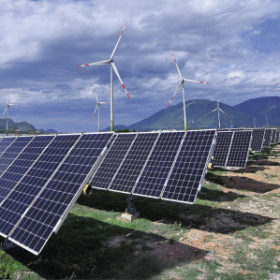
Vietnam introduces auction scheme for large-scale PV
With the publication of Notification No. 402/TB-VPCP on Nov. 22, the Vietnamese government has cemented its transition from feed-in tariffs to auctions, in a clear step away from earlier promises to revive the FIT scheme.

North Macedonian utility plans three more tenders for 110 MW of solar
State-owned Elektrani na Severna Makedonija will begin construction on a 10 MW solar plant at its redundant coal plant in Oslomej after signing the engineering, procurement and construction deal with a Turkish contractor. The utility is planning to tender a 10 MW extension of the plant and two more 50 MW solar facilities.

Spain’s Balearic Islands assign 362 MW of solar in auction
The Spanish government has selected 55 solar installations in the procurement exercise. About 256 MW of the projects it awarded will be built on Mallorca, while Menorca, Ibiza and Formentera will host 61 MW, 6 MW and 2 MW of new capacity, respectively.

Germany registers 377 MW of new PV in October
Newly installed PV capacity hit 3.33 GW in the first 10 months of this year. Feed-in tariffs will drop in December by another 1% and the 52 GW subsidy cap looms, but for the first time, FITs for all project types are now below the €0.10/kWh mark.

Ireland launches auction scheme for renewables
Solar is included among the competing sources but with a maximum quota of only 10%. Around 13,500 GWh will be allocated across five rounds under the new scheme, which is still subject to EU state aid approval. Community-led projects will be allowed to participate from the second round, with a bonus of €2/MWh.

Is Taiwan ready for GW-sized PV projects?
Developers of huge solar parks on the island must deal with resistance from the government, other industrial players and the farming sector. Local agricultural producer Taisugar has downsized its plans to build solar plants across 1,000 hectares of land it owns, while semiconductor manufacturer TMSC has denied it is building a massive solar park in Pingtung county, as reported by the Taiwanese media.
