New Italian PV industry body struggles to unleash utility scale PV
As the ongoing changes in Italian politics inevitably create some uncertainties, PV operators continue to organize themselves, pulling together to put forward their agenda. pv magazine spoke with Andrea Cristini, spokesperson of new industry body Alleanza per il fotovoltaico in Italia, a group of 25 operators which in December joined forces to promote utility scale solar parks.
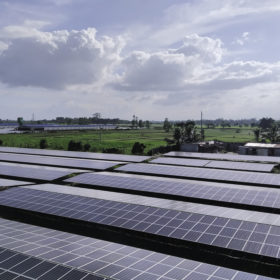
50 MW PV plant ready to connect in Bangladesh
A 50 MW PV project, located in northern central Bangladesh’s Mymensingh district, has begun supplying electricity to the national grid. Full commercial operations for the plant are expected to begin in January.

China could add 48 GW of solar next year – AECEA
The in-country analyst has revised up its expectation for this year and says a healthy unsubsidized project pipeline will keep the numbers ticking over in 2021. The spending plans necessary to ramp up renewables targets in the next five-year plan, though, could put the nation on a collision course with the EU.

World could add more than 900 GW of solar by 2025 if politicians grasp the nettle – IEA
With the International Energy Agency publishing its latest five-year clean energy forecast today, pv magazine takes a look at the solar content of the 162-page document.
Covid-19 weekly round-up: Solar resilient in the US as Australia and Europe forge ahead through crisis
Plus, U.K. analyst Cornwall Insight reports the price of green energy certificates in the nation could stay in the doldrums for some time and industry executives consider the upsides of the new virtual PV business.
Global solar capacity may reach 1,448 GW in 2024
SolarPower Europe has predicted the volume of new PV capacity added this year will be 4% less than last year’s figure because of the Covid-19 crisis. At the end of 2019, the world had topped 630 GW of solar. For 2020, around 112 GW of new PV capacity is expected, and in 2021, newly installed capacity could be 149.9 GW if governments support renewables in their coronavirus economic recovery plans.
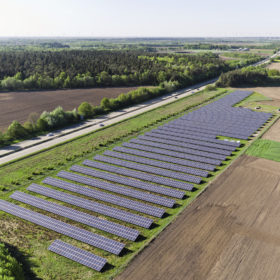
Germany installed 380 MW of solar in April
The rooftop segment maintained strong growth but utility scale PV saw a slowdown on previous months. In the first four months of 2020, newly deployed PV systems added up to 1,479.5 MW of generation capacity, compared with around 1.6 GW in the same period of last year. The nation’s cumulative PV capacity hit 50.46 GW at the end of April.

Solar could hold advantage in post-pandemic global energy sector
The International Energy Agency has acknowledged dramatic falls in energy investment caused by the Covid-19 crisis but said renewables, including PV, offered an attractive proposition to investors as the dust settled, given their enticing economics and short turnaround times.

Colombia’s 9.48 GW solar project pipeline
The technology makes up almost 70% of planned clean energy generation capacity in a nation which added just 4 MW of solar last year.
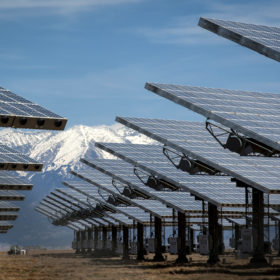
Study of 100,000 arrays finds proactive O&M preferable
The US National Renewable Energy Laboratory examined five-year data to observe the most common system failure points and how to prevent them. Researchers considered residential, commercial and utility scale plants and found interesting results. While failures cannot be avoided completely, a key takeaway was that close monitoring and timely repair can effectively mitigate the financial effects of failures.
