
Solar and wind offer safest route to decarbonized electricity mix
The mature renewable energies are the most efficient power resources to slow down global warming and reduce human health impacts, according to a new study published in Nature Communications. The authors claim renewable energy generation capacity is also the best way to reduce land use, toxicity and drinking water depletion.
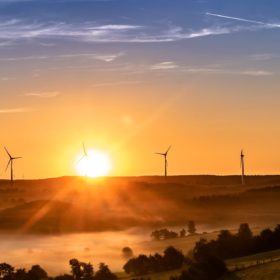
Brazil’s Copel contracts another 121.6 MW
The energy provider concluded its second renewables auction on November 13, and has contracted 121.6 MW of wind and solar. Selected projects will be granted a 15-year PPA and will have to begin commercial operations in 2023.
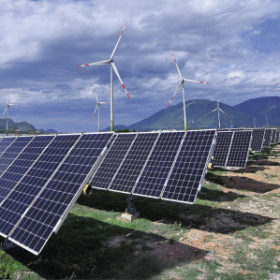
A new converter topology for hybrid wind-solar
A researcher has proposed a new approach to apply maximum power point tracking techniques to optimize electricity production in wind-solar power projects. The permanent magnetic synchronous generator hybrid model used in the study is based on a multi-input rectifier stage which is said to be able to eradicate current harmonics and eliminate the need for extra input filters.
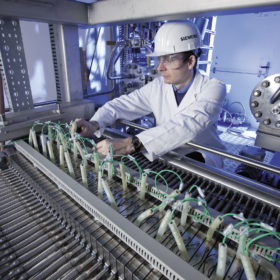
The slow, inexorable rise of green hydrogen
The International Renewable Energy Association says the integration of hydrogen into the energy transition will not happen overnight and electrolysis costs will not be halved until the 2040s. That hydrogen and related products could revolutionize the world energy landscape, however, is not in doubt.

Solar, renewables and hydrogen for greener marine transport
A new report in Sweden suggests that renewables are an ideal source of power for marine vessels, based on a case study in which solar PV and proton-exchange membrane fuel cells, combined with a diesel generator, were used to reduce the greenhouse gas and particulate emissions of cruise ships by almost 10%.
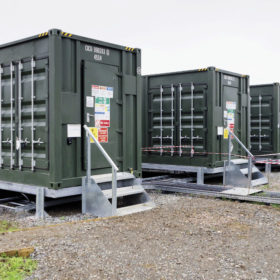
Kenyan government blamed for sluggish progress of solar
Two solar farms with 80 MW of generation capacity tendered in 2017 are being built and will be commissioned this year but another two, allocated at the same time, are no nearer construction. Kenya, however, has been touted as the site of Africa’s first wind-solar-storage hybrid project.

Renewables and geopolitics: ‘There won’t be as much to fight over’
In the latest installment of pv magazine’s renewable energy and geopolitics series, Indra Overland says a new mindset is necessary to understand the geopolitics ahead as the rules of the fossil fuel era will no longer apply. A renewable world will have fewer strategic locations and bottlenecks and less territorial competition.
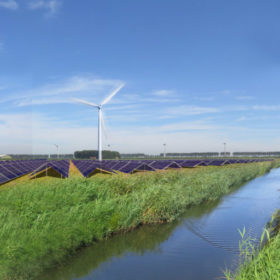
Vattenfall to build large scale wind-solar-storage plant in the Netherlands
The energy company will build a 38 MW solar, 22 MW wind and 12 MW battery project on one site. The first fully renewable hybrid power plant could be a blueprint for post-subsidy Germany. Vattenfall has an eye on German coalfields in particular.

Solar at $17.30/MWh in Brazil‘s auction: is it a world record?
Analysts have scrutinized the result of the recent A-4 auction which delivered, in theory, the world’s lowest price for solar electricity from an energy procurement exercise. The two plants in question, however, will sell 70% and 50% of their output outside the power deal signed in the auction.
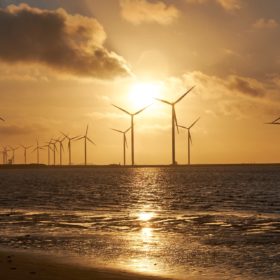
First off-shore PV project launched in the North Sea
A floating solar array will be located in the North Sea near an aquaculture and an offshore wind power facility. The €2 million pilot project is being developed by a consortium including Tractebel, Jan De Nul Group, Deme, Soltech and Ghent University.
