
Water-stressed countries should resort to solar, World Resources Institute says
Unlike traditional power generation, wind and solar require zero, or a mimimum amount of, water for the operations of their respective technologies. This may help most Middle Eastern and North African countries solve their chronich water supply issues, as well as several more African, Asian, American and European countries.
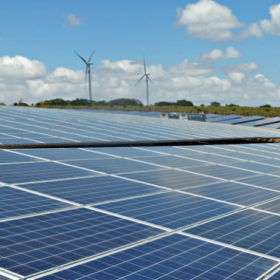
India announces new policy for wind-solar hybrid systems
India has unveiled a national wind-solar hybrid policy that provides a framework for promotion of large grid connected wind-solar PV systems for optimal and efficient utilization of transmission infrastructure and land, reducing the variability in renewable power generation and thus achieving better grid stability.

Latest 200 MW Jordan solar tender attracts 16 technical bids
Companies and consortia from China, Europe, and domestically have lodged technical and financial offers to build four 50 MW solar plants in Jordan’s Maan Development Zone, the government reveals.
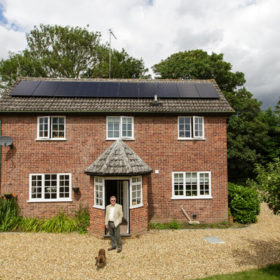
Renewables set to lower UK’s summer demand for grid electricity, says National Grid
Rise in small scale solar contributing towards new trend of falling summertime peak transmission system demand on U.K. grid, says outlook report. Inflexibile gas and nuclear plants may be curtailed to make way for solar and wind.
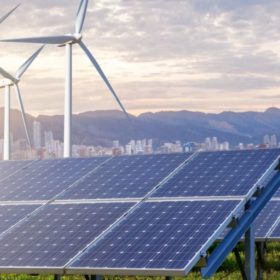
RE generation capacity topped 2,179 GW in 2017 – IRENA
According to the latest statistics from the International Renewable Energy Agency (IRENA), global renewable energy (RE) generation capacity hit 2,179 GW last year. Leading the charge were renewable hydro, onshore wind and solar PV.
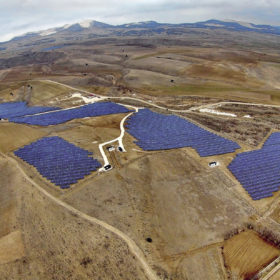
Fossil fuel global grip being loosened by holy trinity of affordable PV, wind and storage, finds BNEF
‘Unprecedented challenge’ for fossil fuels as low LCOE for solar and wind power, allied to tumbling storage costs, sees renewables claim larger share of bulk and dispatchable generation while adding vital flexibility to global energy mix.
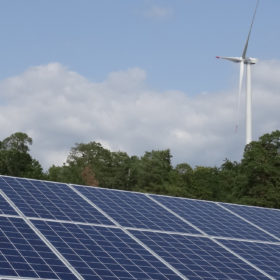
Germany starts first mixed wind-solar auction
Bids for solar PV ground-mounted projects and wind farms on land can be submitted to the Federal Network Agency by April 3. Overall, the German government will allocate around 200 MW of capacity in the tender.
IEEFA identifies nine markets pushing boundaries of variable renewables integration
Latest report by IEEFA showcases nine case studies among the world’s leading states by wind and solar market share, which can serve as an example for other countries on their energy transition pathways.
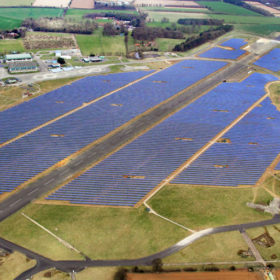
China to achieve solar grid parity in 2023, slow development of storage hinders RE adoption, survey shows
Examining the outlook for renewables, grid and infrastructure, and energy storage for the next five years and beyond, the Lloyd’s Register 2018 Technology Radar study asks the question: When will renewables become the dominant source of energy?
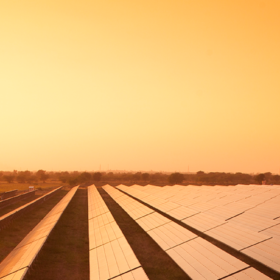
Siemens Gamesa bags two Indian solar projects with combined 160 MW capacity
The renewable energy developer will build a 100 MW solar farm in India’s Tamil Nadu for a major utility, and an additional 60 MW solar plant in Karnataka for an independent power producer.
