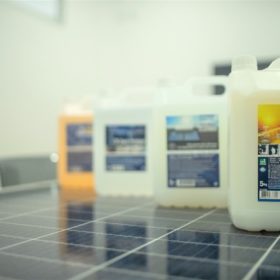
Detergent for solar module cleaning and protection
Developed and distributed by Portuguese start-up ChemiTek, the detergent is claimed to reduce water consumption by about 50% and increase energy production by up to 5%. The product was recently certified by the German laboratory TÜV Sud, according to the EN 61215 standard.

African Energy Week highlights lack of support for renewables
The closing day of the African Energy Week event held in South Africa this month heard voices casting doubt on a renewables-only energy transition and calling for a gradual change and continued investment in petrochemical production.
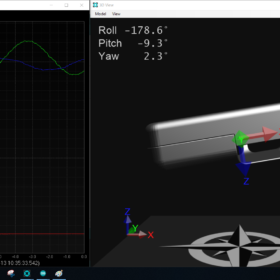
Simulation tool to measure effect of waves on offshore floating solar
Developed by scientists in Malta, the tool is said to predict yield gains or losses that waves can determine in offshore PV installations. The research group identified three movements an offshore array can be subject to, and for each of them provided specific measurements.

London developer secures backing for 500 MW of solar in the UK
Queequeg Renewables says it has formed a joint venture with an Italian private equity investor to fund the first slice of a planned 1.3 GW solar-plus-storage portfolio in Britain.

Bangladesh’s largest solar plant due online next month
The $143 million, 280-acre project in southwestern Bangladesh will have a generation capacity of 100 MW thanks to 250,000 Longi Hi-MO5 modules.
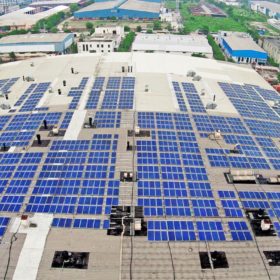
Indian developer Azure Power secures sale of electricity from 600 MW of solar projects
The company has landed the signature of state-owned body the Solar Energy Corporation of India, which awarded Azure 4 GW of solar farms in return for the developer committing to set up 500 MW worth of cell and module production lines.

Eni plans IPO for Plenitude, its new ‘energy transition’ unit
The new company will comprise all group’s business for the development of renewable energy, the sale of energy solutions, and the creation of a widespread EV charging network.
Roundtables USA: Accelerating solar deployment – video now available
Industry leaders, policymakers, and stakeholders joined pv magazine senior editors in an insight-packed live event to discuss optimizing solar PV and accelerating deployment across the U.S. and the globe.

Energy crisis and the energy transition
There’s a famous saying: “Never let a crisis go to waste.” The current energy crisis has had a terrible impact on many consumers, but it has also given the energy sector a golden opportunity to get in shape for the energy transition. Jon Slowe, the director of Delta-EE, examines the impacts and opportunities of the energy crisis currently playing out in Europe and what it could mean for the renewables sector.
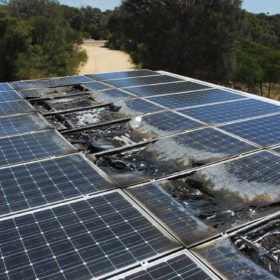
Australia removes much-criticized DC isolator mandate
Following years of lobbying, the Standards Australia Committee has removed the requirement for rooftop solar installations to include a DC isolator.
