




From pv magazine LatAm
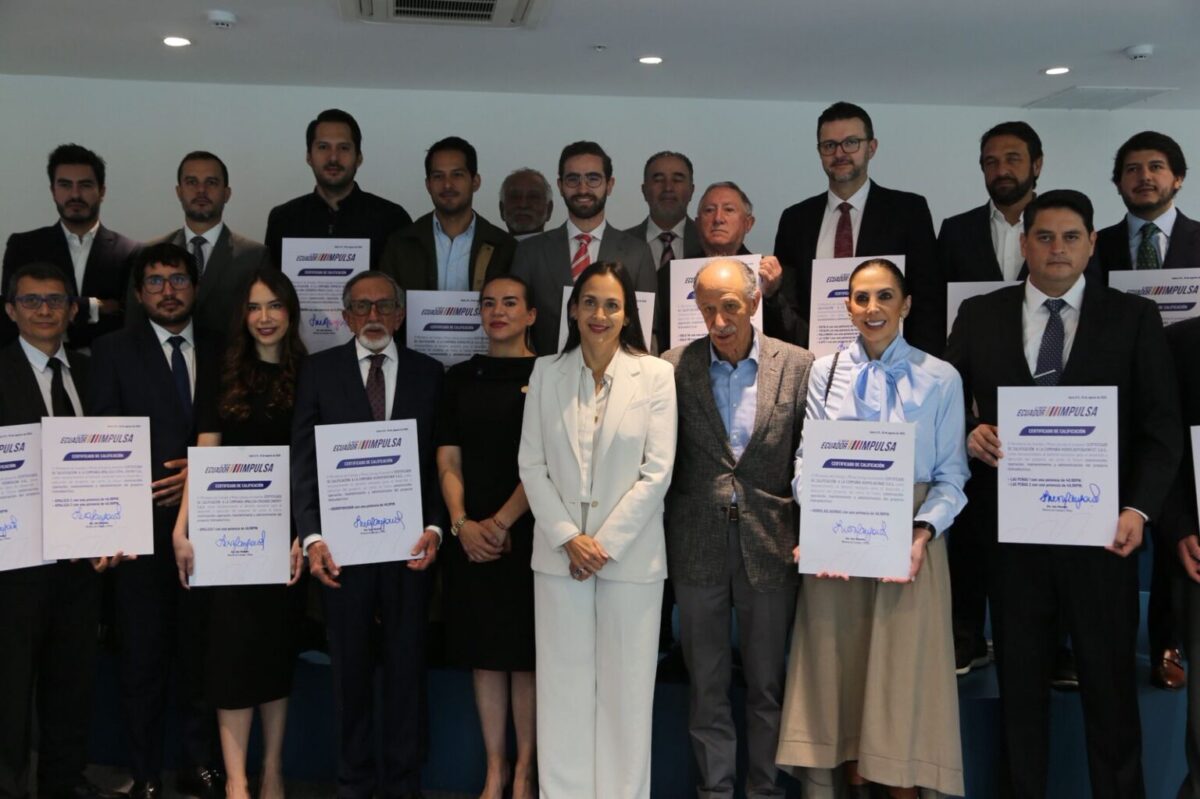
The Ecuadorian government, through the Ministry of Environment and Energy, is authorizing 643 MW of private-sector projects to join the National Electricity System. The initiative covers self-generation and distributed generation projects using renewable sources.
Minister Inés María Manzano presented enabling certificates to the companies responsible, granting them exclusive rights to develop feasibility studies, build, and operate the projects.
The projects include PV arrays and hydroelectric plants and have an 18-month period to complete procedures and receive the corresponding enabling title.
Of the total authorized capacity, 179.1 MW comes from distributed generation projects that will supply the electricity market under regulated contracts. The remaining 464.6 MW are self-generation projects aimed at supplying companies’ own electricity needs, with the option to sell surplus power.
Unofficial estimates put the installed capacity of distributed photovoltaic systems nationwide at roughly 100 MW, with growing participation from residential, commercial, and industrial users. Current regulations facilitate grid connections and allow the injection of surplus energy, encouraging private investment in solar energy.
In 2024, Ecuador faced a severe energy crisis with officially decreed nightly blackouts to reduce consumption. In response, the National Assembly approved in October 2024 the Organic Law to Promote Private Initiative in Energy Generation, aimed at stimulating renewable energy deployment and private investment in the sector.
This content is protected by copyright and may not be reused. If you want to cooperate with us and would like to reuse some of our content, please contact: editors@pv-magazine.com.


By submitting this form you agree to pv magazine using your data for the purposes of publishing your comment.
Your personal data will only be disclosed or otherwise transmitted to third parties for the purposes of spam filtering or if this is necessary for technical maintenance of the website. Any other transfer to third parties will not take place unless this is justified on the basis of applicable data protection regulations or if pv magazine is legally obliged to do so.
You may revoke this consent at any time with effect for the future, in which case your personal data will be deleted immediately. Otherwise, your data will be deleted if pv magazine has processed your request or the purpose of data storage is fulfilled.
Further information on data privacy can be found in our Data Protection Policy.