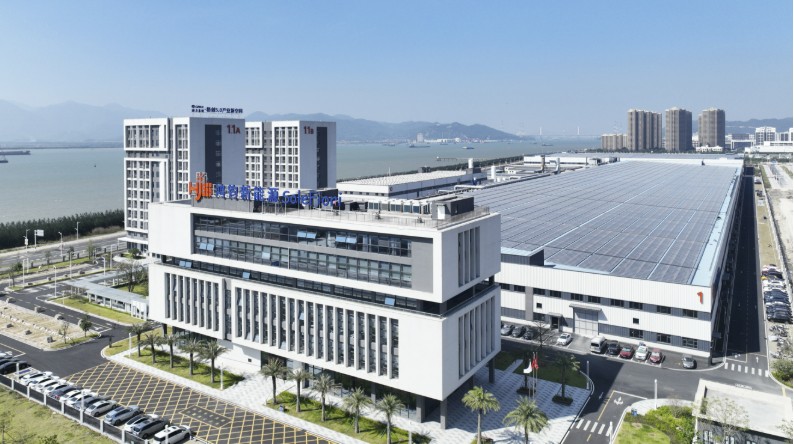





Zhuhai-based SoleFiori Technology (Hongjun New Energy) has signed an agreement with its Saudi Arabian partners to set up a 6 GW HJT solar module factory in Saudi Arabia.
The new facility will supply high-efficiency HJT modules optimized for desert conditions. Although the exact site and equity split were not disclosed, the project is positioned as a regional hub serving Saudi Arabia and neighboring markets.
SoleFiori said its HJT modules offer bifacial performance above 95%, boosting energy yield by harvesting reflected sunlight, and a low temperature coefficient that ensures output stability in extreme heat.
The deal reflects Riyadh’s push to build a domestic clean energy supply chain under Vision 2030. The strategy targets 40 GW to 58 GW of installed solar by 2030 and requires that 75% of components be locally manufactured.
For SoleFiori, the Saudi plant expands its global footprint and hedges against tariff risks by embedding manufacturing closer to demand. For Saudi Arabia, it accelerates technology transfer, job creation, and industrial diversification.
More broadly, the Gulf is emerging not only as a solar deployment hotspot but also as a manufacturing hub. Chinese producers are shifting from exporting modules to building local capacity, a structural change that may rebalance global PV supply.
SoleFiori follows a wave of Chinese investment in Saudi Arabia’s solar sector. In July 2024, JinkoSolar formed a joint venture with Renewable Energy Localization Co. and Vision Industries to build a 10 GW cell and module plant. TCL Zhonghuan that same month announced a 20 GW ingot and wafer factory with the same partners.
This content is protected by copyright and may not be reused. If you want to cooperate with us and would like to reuse some of our content, please contact: editors@pv-magazine.com.

By submitting this form you agree to pv magazine using your data for the purposes of publishing your comment.
Your personal data will only be disclosed or otherwise transmitted to third parties for the purposes of spam filtering or if this is necessary for technical maintenance of the website. Any other transfer to third parties will not take place unless this is justified on the basis of applicable data protection regulations or if pv magazine is legally obliged to do so.
You may revoke this consent at any time with effect for the future, in which case your personal data will be deleted immediately. Otherwise, your data will be deleted if pv magazine has processed your request or the purpose of data storage is fulfilled.
Further information on data privacy can be found in our Data Protection Policy.