




From pv magazine USA
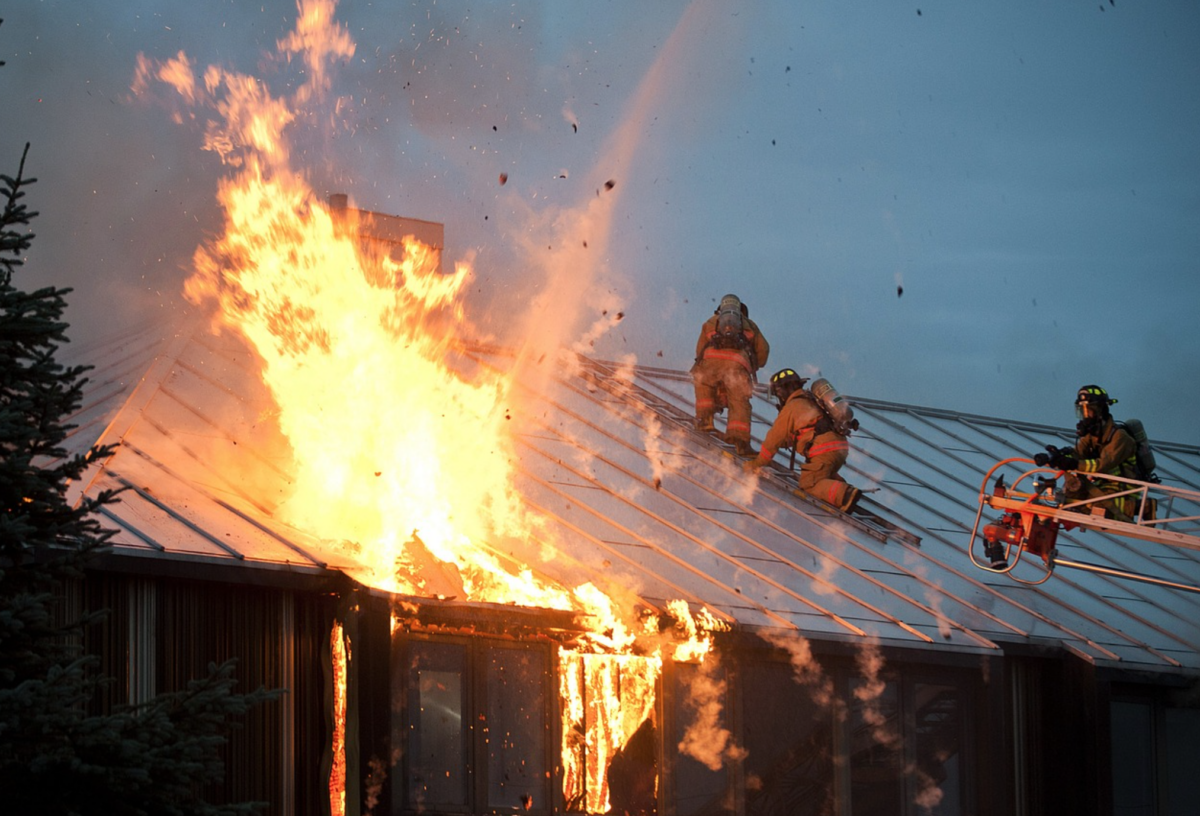
The Solar and Fire Education (SAFE) program, an initiative led by retired Las Vegas Fire & Rescue Captain Richard Birt, has released new survey data regarding first responder preferences for rooftop solar inverter architecture.
The program, which provides hands-on training to help fire departments navigate the complexities of modern energy systems, found that after receiving specialized education, more than 98% of participating firefighters said they recommend microinverter-based solar energy systems.
The survey results reflect feedback from hundreds of firefighters across multiple US states. Birt, a 30-year veteran of the fire service, founded SAFE to bridge the gap between rapidly evolving renewable technology and traditional fireground tactics.
Enphase Energy, a California-based global energy technology company that consults with SAFE on its training modules, shared the findings to highlight how system design impacts emergency response.
Survey details provided by the SAFE program disclose that Birt is a paid consultant of Enphase Energy, that the survey was not designed as a scientific study, and that responses were voluntary and came from a self-selected group of individuals.
A primary concern for first responders during a residential fire is the presence of high-voltage direct current (DC) on the roof. Traditional string inverter systems typically involve long runs of DC wiring that remain energized as long as the sun is shining, creating a potential hazard for firefighters who may need to vent a roof or navigate around equipment, said the report.
Enphase’s microinverter architecture converts DC to alternating current (AC) at the individual panel level. This “all-AC” design ensures that high-voltage DC is restricted to the back of the solar module itself, rather than traveling through long conduits across the structure.
The training also highlights the role of rapid shutdown, a safety requirement mandated by the National Electrical Code (NEC). Rapid shutdown is designed to reduce voltage to safe levels within seconds of a system being disconnected, protecting emergency personnel.
Because Enphase microinverters integrate rapid shutdown at the panel level, the systems do not require the additional external components, such as DC optimizers or rapid shutdown transmitters, said the report. Enphase said this simplified architecture helps ensure NEC compliance “out of the box” while reducing the number of potential failure points in the safety chain.
The SAFE program features instructional content from active fire service members, including Captain Andrew Martinez of the San Mateo Consolidated Fire Department. Martinez noted that his department is working to incorporate these findings into its official Safety Policy and Guidelines manual, specifically considering the benefits of systems that avoid high-voltage DC runs.
To date, Enphase has shipped approximately 84.8 million microinverters globally, with more than 5 million systems deployed in over 160 countries.
This content is protected by copyright and may not be reused. If you want to cooperate with us and would like to reuse some of our content, please contact: editors@pv-magazine.com.


In Australia a ground level on / off isolator is required to de-energise the roof. AC or DC coupled. Enphase seem to be flogging their microinverter position here in this opinion piece by their so called expert. Each system must have very clean and consistent signage that cautions PV panels, inverters and batteries with electrical switch isolation for each device as a further fail safe.
Why? Fire brigade requirements so any firefighter has no personal risk And water applied does not result in shock hazards
Is there any evidence that AC solar systems are less apt to cause a fire vs DC solar system architecture? If AC systems operate at lower current amperage, it would seem logical they would have a lower fire risk. This would be good information to know. I realize DC systems are typically less expensive, but if fire risk is reduced, it would seem to be a worthwhile choice.
Per Gemini “Yes, there is substantial evidence and expert consensus that AC-based solar systems—specifically those using microinverters or AC modules—offer a lower, safer risk profile for fire compared to traditional high-voltage DC string systems. While DC systems are often less expensive, the architectural differences in AC systems, which convert DC to AC directly at the panel, eliminate the risk of high-voltage DC arcing, a major cause of solar-related fire incidents.
Evidence for Lower Fire Risk in AC Systems
Elimination of High-Voltage DC Arcing: The primary fire risk in solar systems is DC arcs, which occur when high-voltage DC electricity jumps across gaps in damaged or poorly connected wires. Unlike DC, AC voltage passes through zero volts 100-120 times per second, which causes AC arcs to self-extinguish.
Reduced Voltage on Roofs: Traditional DC systems run high-voltage DC (often 300V-600V+) from the roof to the inverter. AC systems (microinverters) convert this to 240V AC immediately at the panel, limiting DC voltage to under 40-60 volts per module, which is too low to sustain a dangerous arc.
Isolation of Faults: If an AC system experiences a fault, it is usually isolated to a single panel. In a DC system, a fault in one wire can cause a whole string of panels to malfunction, increasing the potential for fire.
Instant Shutdown Capability: If an AC system is shut down or loses grid power, the microinverters stop functioning, and the AC lines become safe. In DC systems, the DC wiring remains live as long as the sun is shining, even if the inverter is shut down.
DC vs. AC Fire Hazards (Key Findings)
DC Connector/Isolator Failures: Studies show that about 59% of reported solar fire-related incidents are linked to DC components, such as DC isolators, combiner boxes, and connectors.
Rapid Shutdown Compliance: Modern NEC codes require “rapid shutdown” on roofs. Microinverters meet this requirement inherently because they eliminate high-voltage DC on the roof, whereas string inverter systems require extra components to reduce voltage.
Firefighter Preference: Surveys have indicated that 98% of firefighters prefer systems with AC architectures due to the lower risk of electrical shock and fire.
Summary
While solar fires are generally rare (<0.02% of installations), the evidence points to AC-based systems being technically superior from a fire safety perspective. The higher up-front cost of microinverters or AC modules is often considered a worthy investment for significantly enhanced safety. "