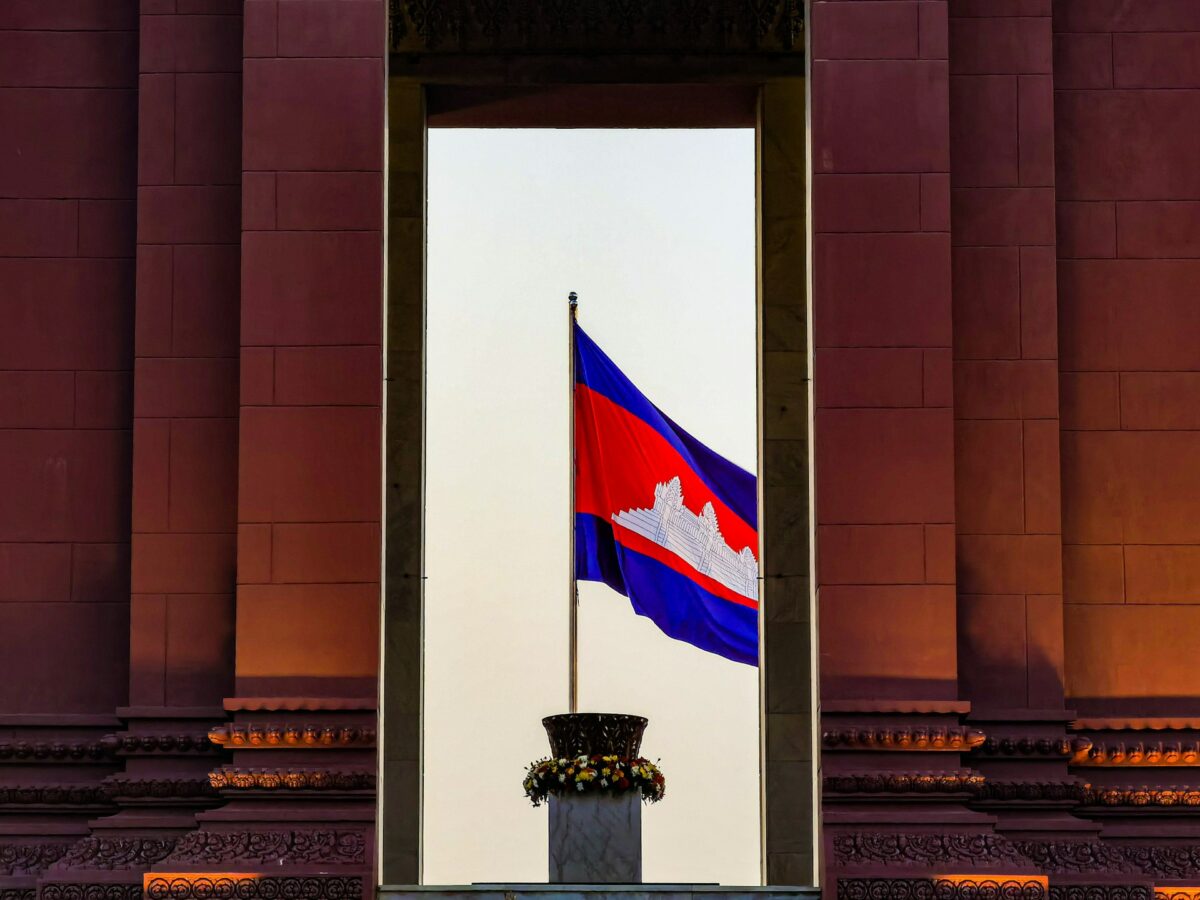





Cambodia’s Ministry of Mines and Energy has approved a 30 MW quota for new rooftop solar power systems this year.
The new cap, set to impact mostly large-scale commercial and industrial consumers, forms part of efforts to manage grid integration.
Large-scale electricity consumers looking to install rooftop solar systems must receive authorization from the Electricity Authority of Cambodia, the ministry has said.
A statement on the authority’s website explains that consumers can only install larger-scale solar if they have completed an application form and received permission in accordance with the regulations, procedures and policies set by the Electricity Authority of Cambodia.
Under Cambodia’s current rooftop solar regulations, residential solar less than 10 kW in size does not need prior approval from the electricity authority but must be reported to the relevant local electricity provider.
The electricity authority’s website states Cambodia has installed 827 MW of solar to date. Data from the ministry adds that the share of renewables in Cambodia’s energy mix stands at 61.11%, with solar accounting for 18.91%. Cambodia's leading form of renewable energy is hydropower.
This content is protected by copyright and may not be reused. If you want to cooperate with us and would like to reuse some of our content, please contact: editors@pv-magazine.com.


By submitting this form you agree to pv magazine using your data for the purposes of publishing your comment.
Your personal data will only be disclosed or otherwise transmitted to third parties for the purposes of spam filtering or if this is necessary for technical maintenance of the website. Any other transfer to third parties will not take place unless this is justified on the basis of applicable data protection regulations or if pv magazine is legally obliged to do so.
You may revoke this consent at any time with effect for the future, in which case your personal data will be deleted immediately. Otherwise, your data will be deleted if pv magazine has processed your request or the purpose of data storage is fulfilled.
Further information on data privacy can be found in our Data Protection Policy.