Applications & Installations

Among energy technologies, solar is unique in its flexibility and range of applications. Rapidly growing niches including floating PV and agrivoltaics are proving their worth alongside the more established rooftop and ground mount market segments.
Hybrid systems combining solar with energy storage and other generation technologies are also becoming more common, in the pursuit of 24/7 emissions free energy. And this brings our industry into more frequent contact with other concerns, that need to be carefully managed.
Advertisement
Latest News
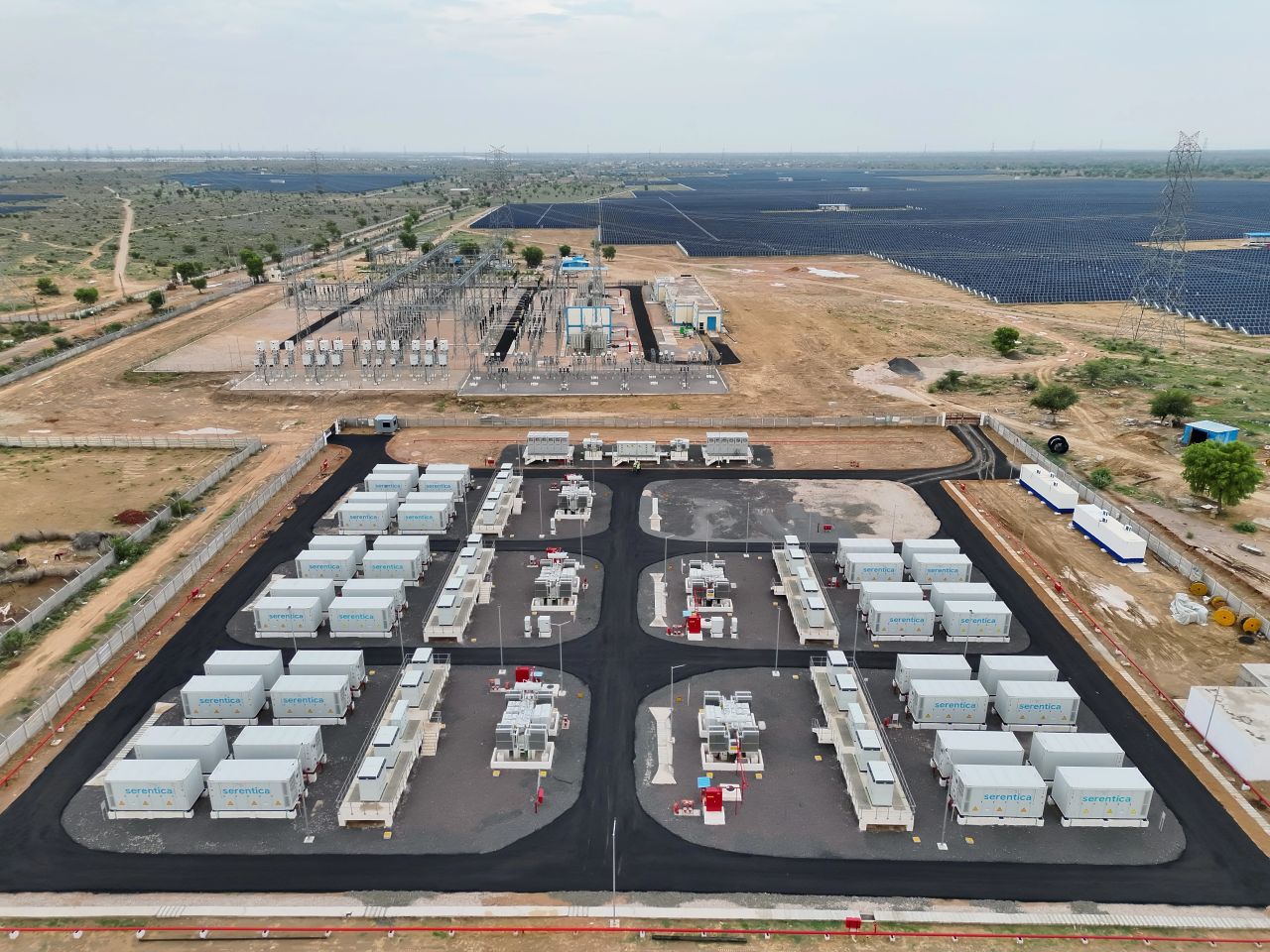
Pricing India’s storage demand gap
India tendered more battery storage in 2025 than in the previous three years combined. Winning bids for these projects have fallen roughly 86% since the country’s first standalone energy storage auction in 2022. On the surface, this reads like a market maturing exactly on schedule. But the reality is less clean-cut, and Vision Mechatronics CEO Rashi Gupta sees industry figures repeatedly making the mistake of treating headline gigawatt-hours as a proxy for real demand.
Oct 15, 2026
Advertisement
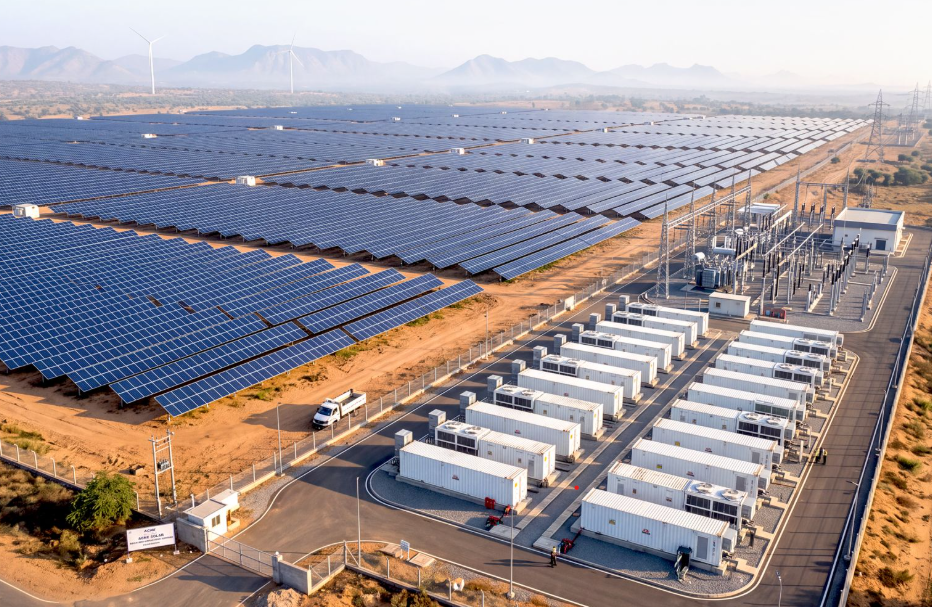

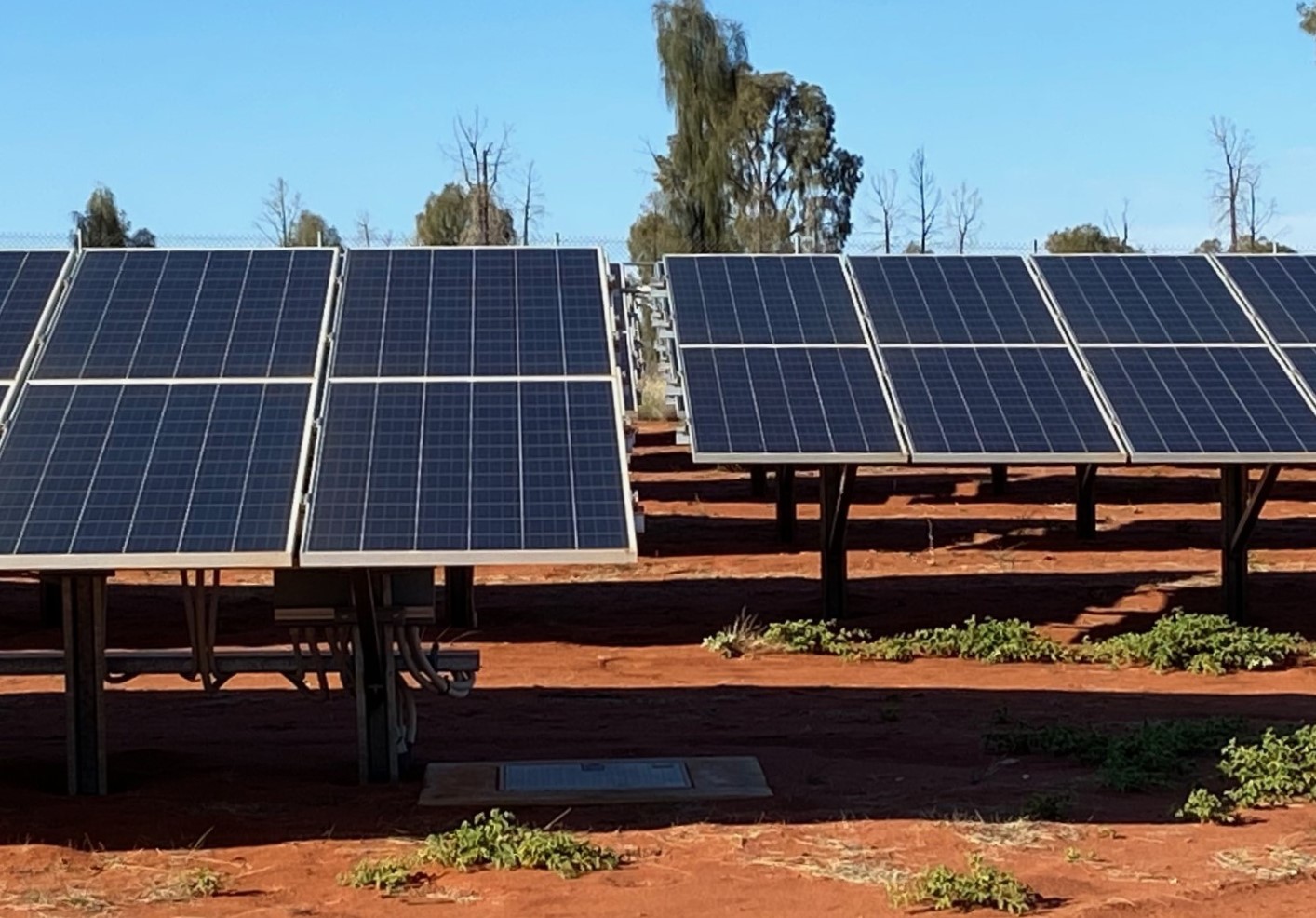
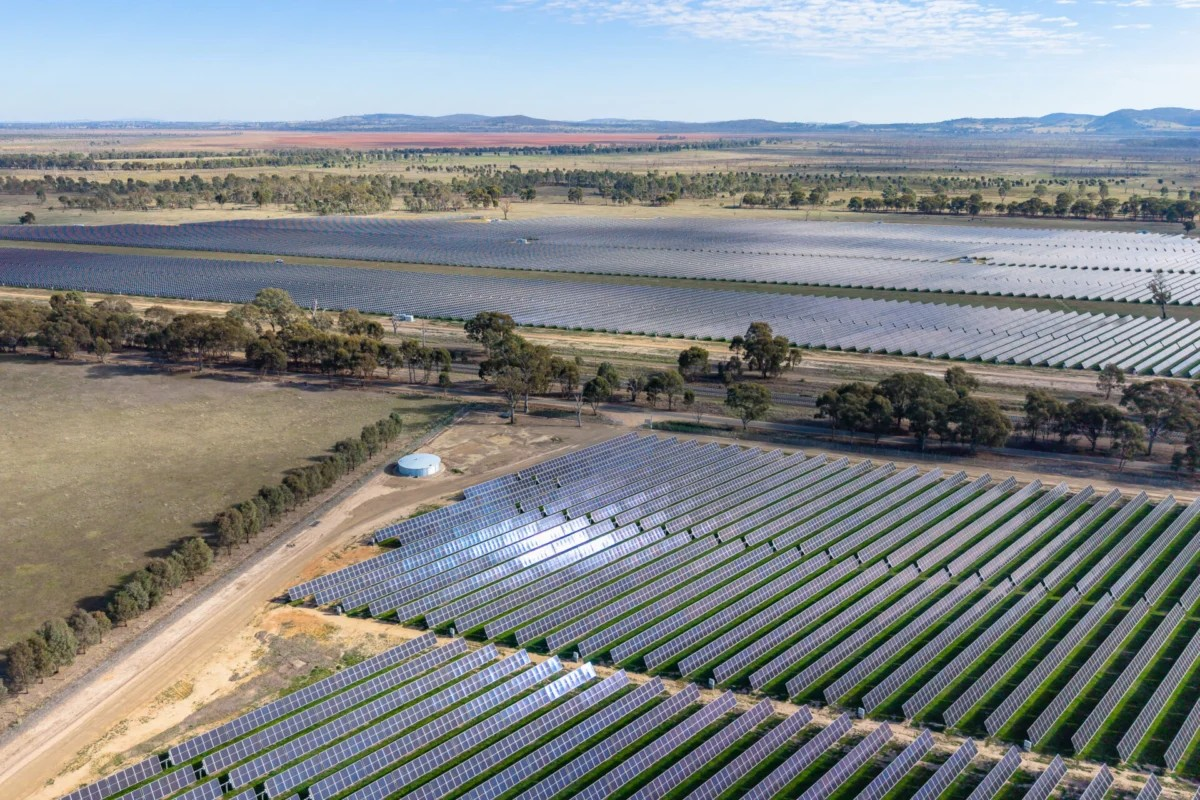
Large-scale solar projects in Australia reach record 3.5 GW of annual investment decisions
The latest Clean Energy Regulator data shows investment in solar is setting a new annual record with solar final investment decisions for the September 2026 quarter at 1 GW, adding to 3.5 GW already achieved in 2026.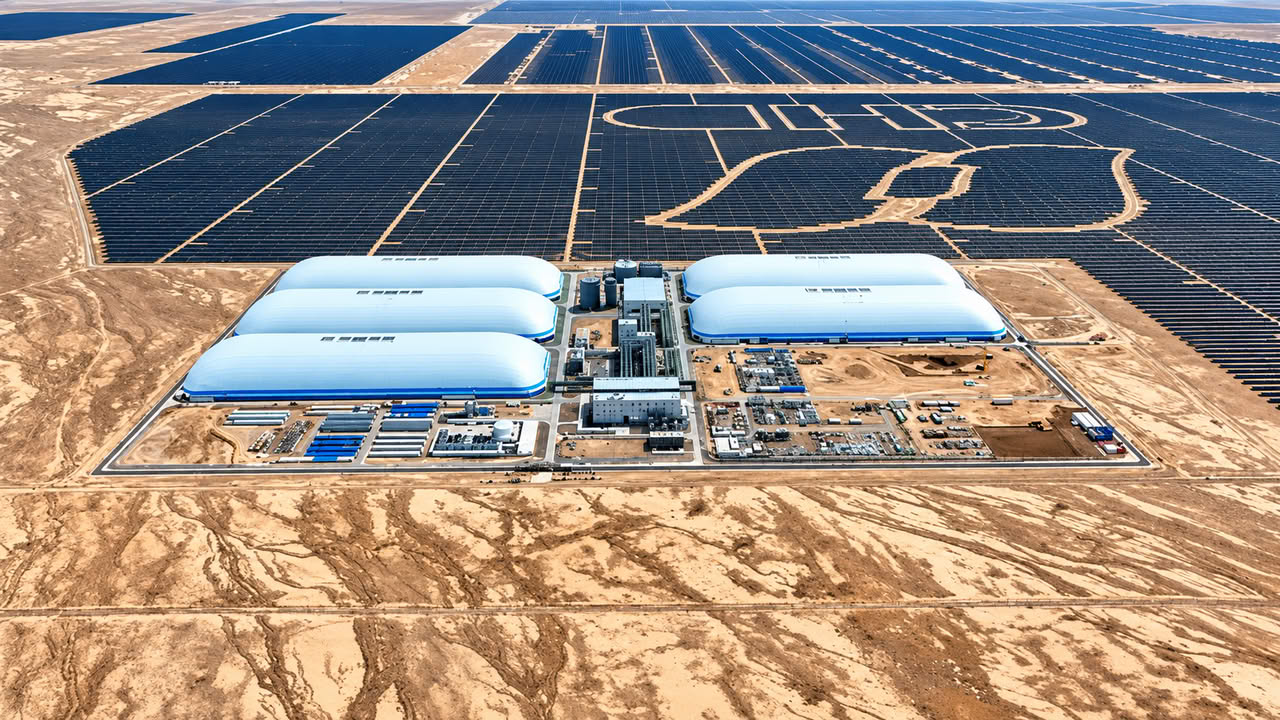
China’s first 100 MW/1,000 MWh compressed CO2 storage plant connects to grid
China Huadian has achieved the first grid connection of its 100 MW/1,000 MWh compressed CO₂ energy storage plant in Xinjiang, marking a major milestone in long-duration energy storage. The facility offers 10 hours of storage and is expected to generate 200 GWh annually, supporting renewable energy integration and reducing carbon emissions.
Solaria plans 500 MW data center project powered by 350 MW of solar in Uruguay
Solaria plans to invest $5.7 billion in a data center technology park in Uruguay, including 500 MW of data center capacity and 350 MW of solar PV. The government says it is the largest foreign investment ever announced in the country.
Advertisement
Advertisement
All Applications & Installations news
Advertisement
Large-scale solar projects in Australia reach record 3.5 GW of annual investment decisions
The latest Clean Energy Regulator data shows investment in solar is setting a new annual record with solar final investment decisions for the September 2026 quarter at 1 GW, adding to 3.5 GW already achieved in 2026.
China’s first 100 MW/1,000 MWh compressed CO2 storage plant connects to grid
China Huadian has achieved the first grid connection of its 100 MW/1,000 MWh compressed CO₂ energy storage plant in Xinjiang, marking a major milestone in long-duration energy storage. The facility offers 10 hours of storage and is expected to generate 200 GWh annually, supporting renewable energy integration and reducing carbon emissions.
Solaria plans 500 MW data center project powered by 350 MW of solar in Uruguay
Solaria plans to invest $5.7 billion in a data center technology park in Uruguay, including 500 MW of data center capacity and 350 MW of solar PV. The government says it is the largest foreign investment ever announced in the country.
Advertisement
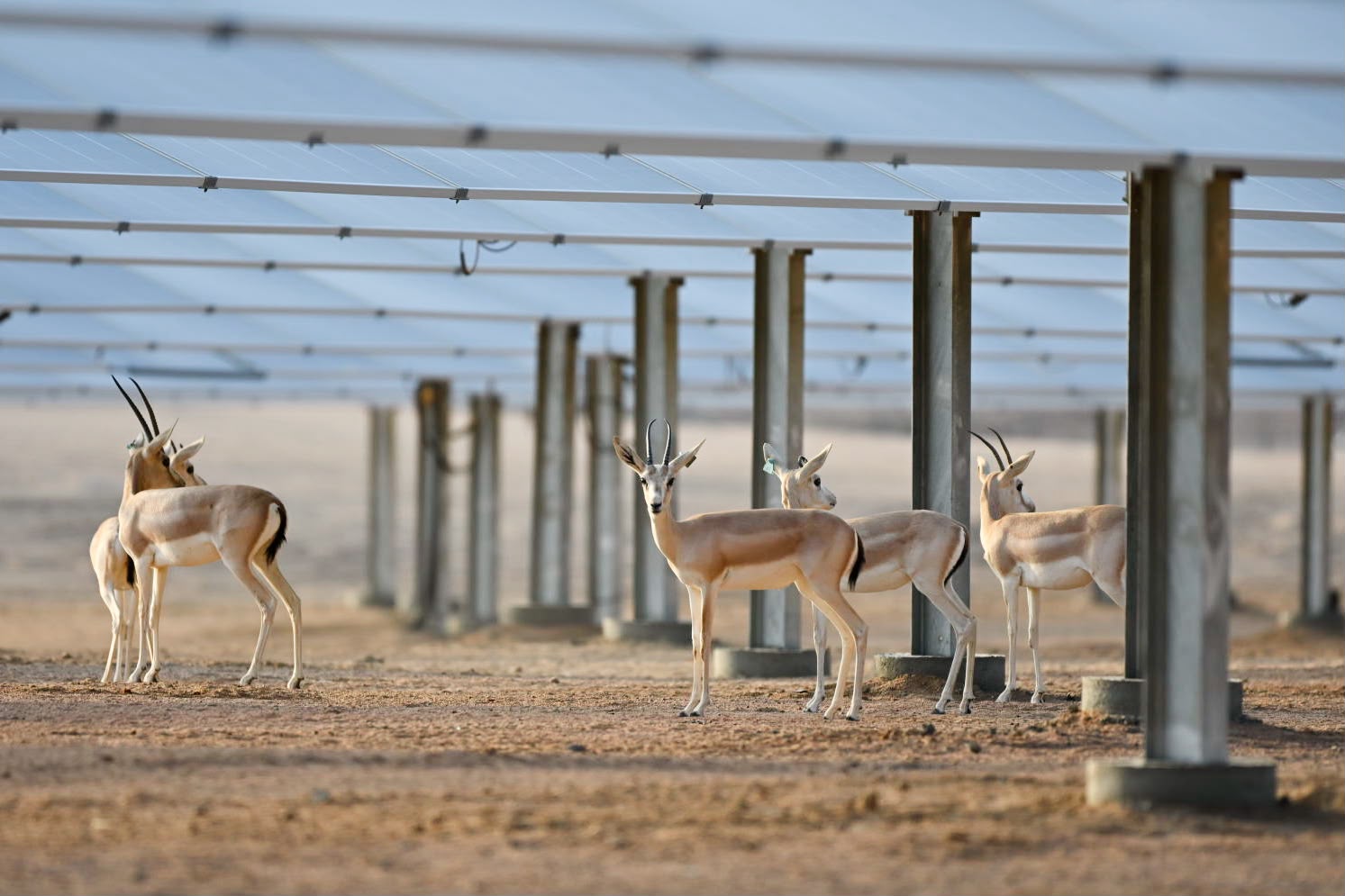
Saudi Arabia uses 250 MW solar park to breed threatened gazelles
Saudi Arabia’s Prince Mohammed bin Salman Royal Reserve has introduced 38 Sand gazelles into an operational solar facility following a seven-month trial. The project aims to use existing PV infrastructure as a breeding habitat for threatened wildlife, with the first births expected this winter.
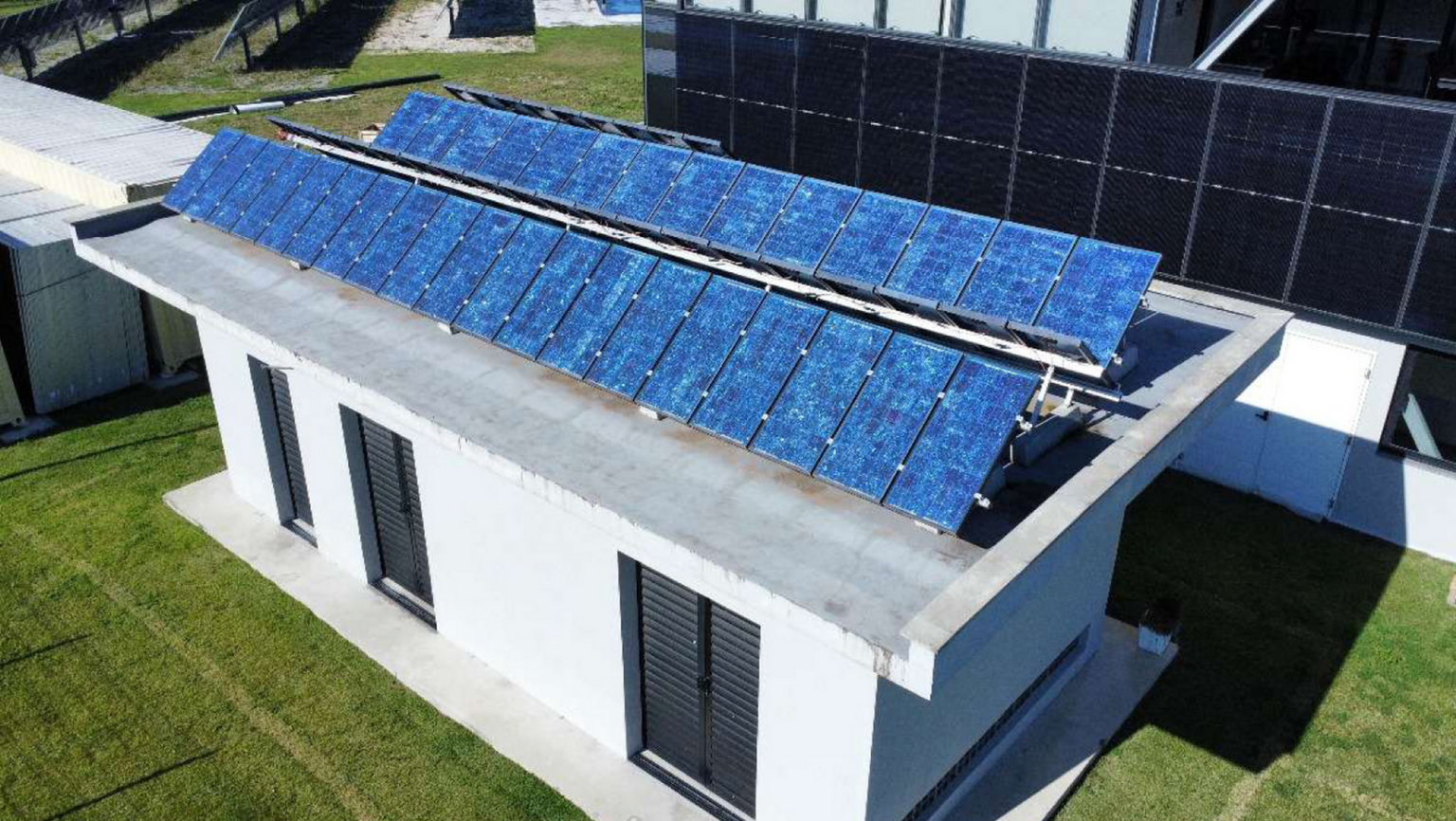
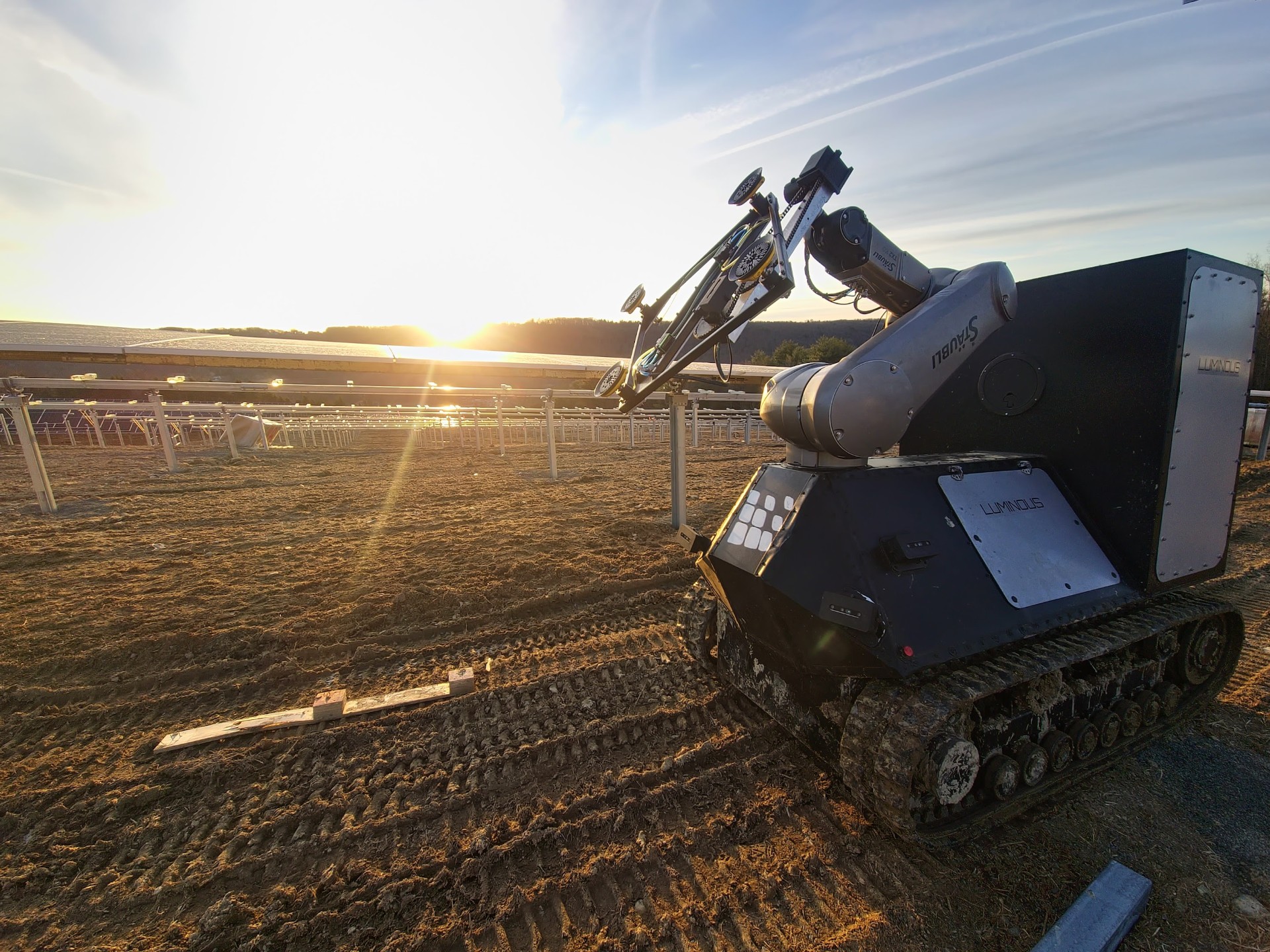
Australia fosters PV innovation with $174 million fund
The Australian Renewable Energy Agency has opened the AUD 250 million Solar Sunshot Round 3, for local and global companies to develop product, manufacture, or scale-up technology capable of reducing large-scale solar costs and speeding up solar build times in Australia.
Advertisement
Advertisement