




From pv magazine Spain
Spain’s photovoltaic self-consumption boom between 2019 and 2022 has produced unintended consequences, including a surge of market entrants lacking technical expertise and adequate operational structures. This has resulted in a significant number of installations with administrative shortcomings and construction defects.
In this context, pv magazine spoke with Ignacio Ley Camarillo, operations director of Y Tú, a company specializing in the acquisition, auditing and refurbishment of commercial and industrial (C&I) solar installations. He said the company has contacted more than 10,000 businesses after they detected issues in their PV systems. Preliminary data shows that 13.2% acknowledge their installations fall well short of the energy savings originally promised.
From a technical perspective, the scale of the problem is considerable. Y Tú has reviewed more than 800 installations to date and reports that in 100% of audited cases it identified at least one significant fault.
The issues fall into three main categories.
The first involves administrative and procedural deficiencies, such as incomplete permitting or poorly executed processes that leave installations not fully legalized or operating in a legal gray area.
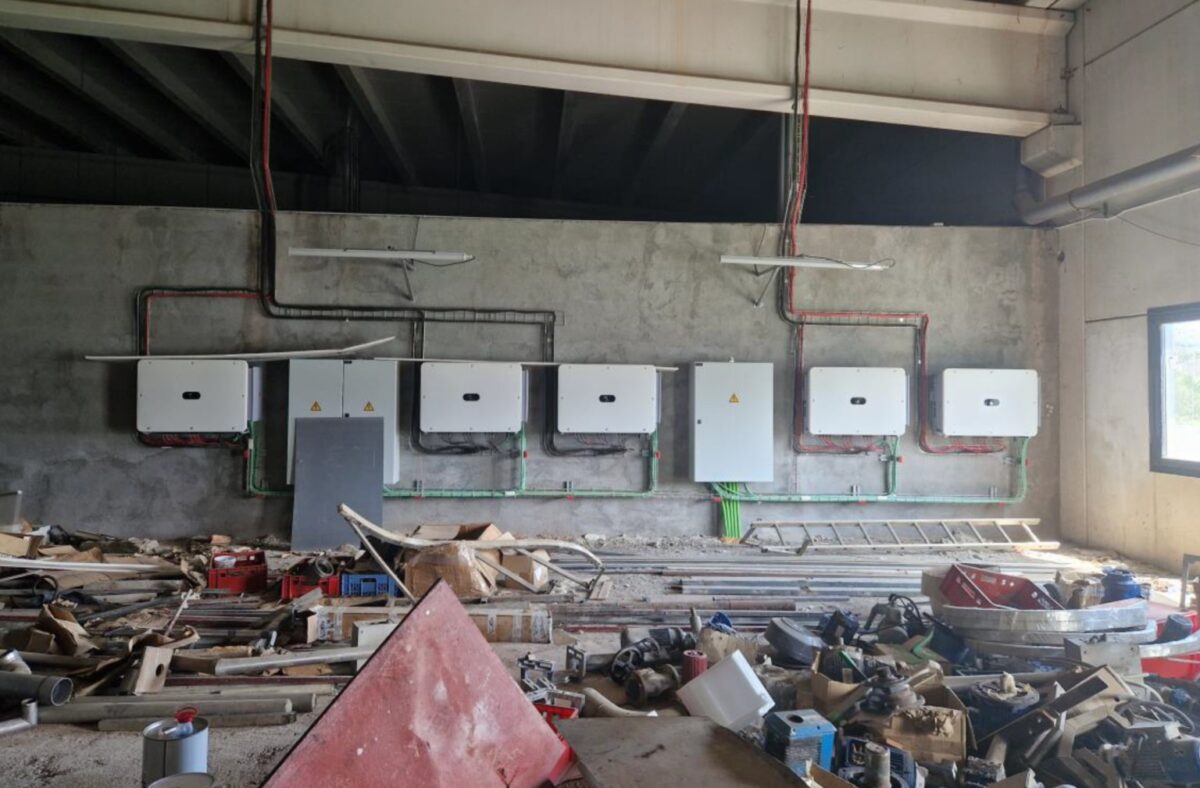
The second relates to technical faults affecting both direct current (DC) and alternating current (AC) systems. On the DC side, problems were found in modules, strings, connectors, mounting structures and cabling. On the AC side, faults were detected in inverters, electrical panels, protection devices and grounding systems. According to the company, these defects lead not only to performance losses but also to medium- and long-term electrical risks, potential warranty voidance and, in some cases, non-compliance with Spain’s Low Voltage Electrotechnical Regulations (REBT).
The third category concerns monitoring and configuration issues that limit operational visibility and leave asset owners without the tools needed to assess actual plant performance.
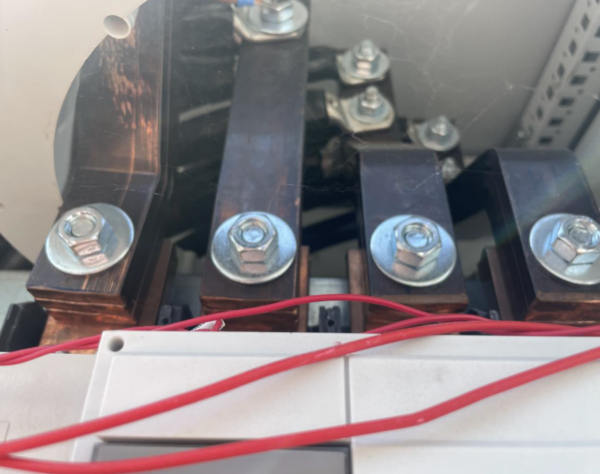
Image: yTú
Causes and possible solutions
Camarillo identifies two main causes: a lack of knowledge or incorrect application of regulations and administrative procedures, and pressure to cut costs and shorten timelines amid strong market demand. The familiar “you get what you pay for” principle translates, in technical terms, into poorly wired electrical panels, inadequate protection systems, undersized conductors and defective connections. While such shortcomings may not prevent a plant from operating initially, they can lead to premature degradation, overheating, nuisance tripping and progressive failures that emerge over time.
The company says these issues are likely to continue surfacing in the coming years, particularly in installations without proper periodic maintenance. It warns that the absence of preventive maintenance prevents the early detection of production deviations, hot spots, insulation degradation and regulatory non-compliance. Over time, this can result in partial or total shutdowns and even damage to the owner’s electrical infrastructure.
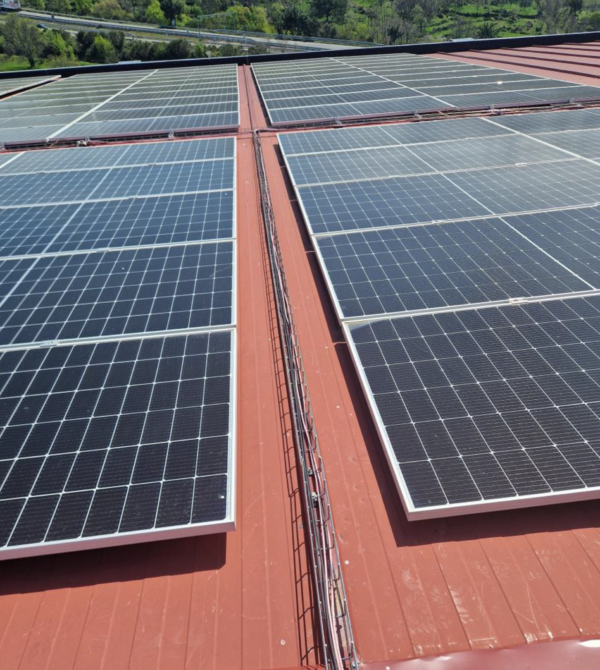
Image: yTú
Y Tú’s business model centers on conducting technical audits of PV plants, quantifying the cost of remedying identified deficiencies and, in some cases, acquiring the assets for full refurbishment.
The company cites a recent case involving an industrial client with three plants in the same province.
At one site, the AC electrical panels had to be reconfigured and main protection devices added due to non-compliance with Spain’s Low Voltage Electrotechnical Regulations (REBT). The DC installation also required a complete overhaul, as cabling had been installed without UV protection and cable trays lacked covers, leading to accelerated insulation degradation in less than three years.
At another plant, inverters had to be relocated because they were installed without respecting the manufacturer’s minimum clearance distances, voiding the warranty. The AC section also required resizing due to insufficient conductor cross-section. In addition, around half of the installed modules were reportedly type B units without official CE marking or documented certification of required quality controls.
In terms of transaction volume, Y Tú said it does not set a predefined limit on asset acquisitions. Instead, it conditions its growth on the availability of projects where it can add technical value and restore the level of profitability originally expected by the client.
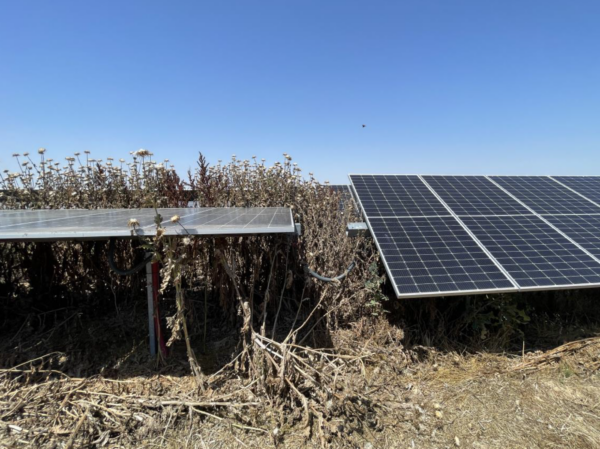
Image: yTú
This content is protected by copyright and may not be reused. If you want to cooperate with us and would like to reuse some of our content, please contact: editors@pv-magazine.com.

I don’t get the first gotcha pic, but uncovered pipes in the latter should be wires out of conduit (at least.) Y Tú has a lovely home inspection (and consulting) gone C&I angle, and I hope they can cite an overall impact on installed inventory as well as the given numbers.
Looking forward to the further reel of how Mad Sun King Spain (not the King) gets solar tracking happening with stray suns, over spec inverters that can’t be convinced to merely perform, overly cold equipment all over, what happens and profiles on who the next Heat Miser to track down for Y Tú can be expected to be…