




From pv magazine USA
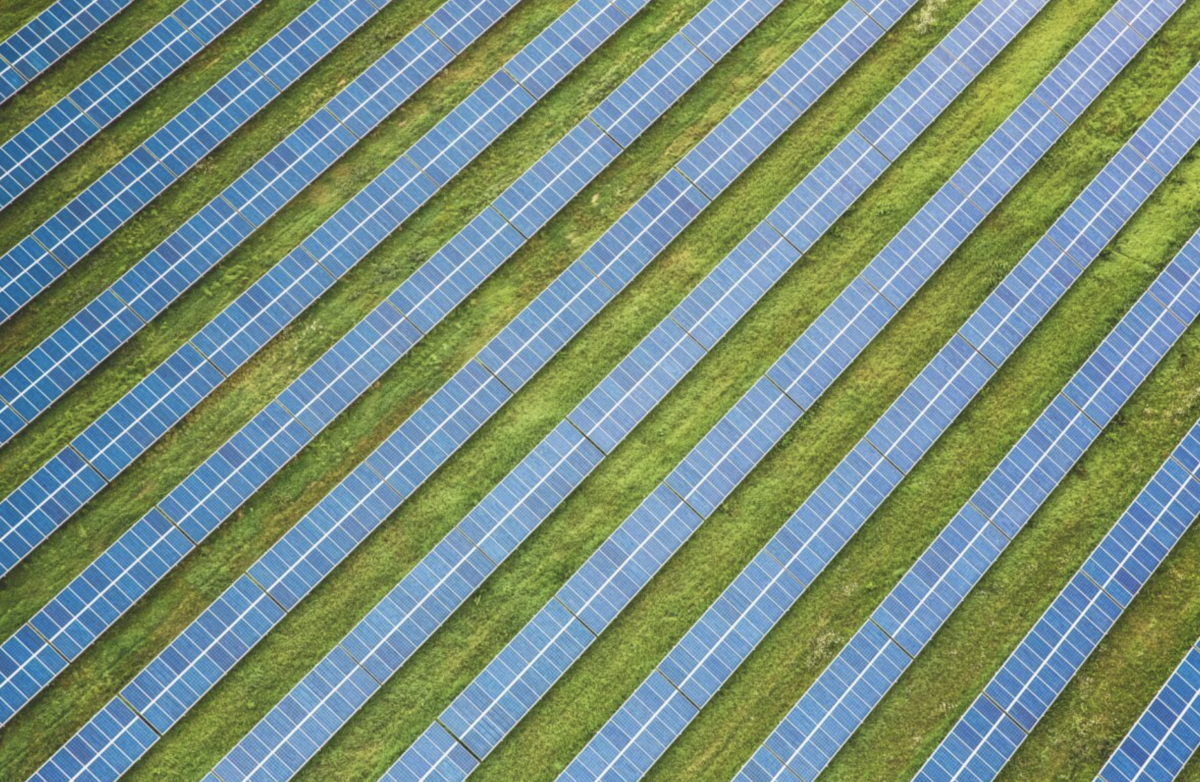
In 2025, solar accounted for just over 8.5% of all US electricity generated. In absolute terms, solar generated 385 TWh of electricity. These values represent increases of nearly 25% last year, and just over 28% in 2024.
If solar growth had continued at the 2024 record rate of 50 GW, solar may have constituted 10% of US electric generation in 2026. However, a slowdown in 2025 capacity deployed, combined with continued electricity demand growth, and complex national politics, might mean this arbitrary goal is out of reach this year.
For the first time in April of 2025, solar surpassed 10% for a full month.
Even with two years of record capacity behind it, new solar generation did not offset the increase in electricity growth in the United States last year, according to data released by the US Department of Energy’s Energy Information Administration (EIA).
From 2005 through the end of 2021, annual electricity demand grew by a cumulative one percent. Since the end of 2021, electricity demand has seen a monumental increase of 8.7%.
In 2025 the total sum of new electricity generation etched up 130 TWh to reach 4,522 TWh. By comparison, solar increased by 85 TWh, amounting to 65.5% of the nation’s electricity growth.
In absolute terms, 2025 solar generation growth was the highest since the 44% and 40% growth rates seen in 2017 and 2016, respectively. One significant difference from 2017, is that 2025’s growth alone 85 TWh exceeded all of the 74 TWh of electricity generated by solar in 2017.
Utility scale grew three times faster than small-scale solar in 2025, contributing 35%, to small-scale’s 11%.
Low generation
While technically wind power did grow in 2025, it declined in its share of all electricity generated in the United States. In 2024, the wind energy sector generated an approximate 452 TWh. In 2025, that figure rose by 12 TWh.
In total, wind accounted for about 10.3% of all electricity generation. Combined with solar, the dynamic duo delivered 18.8% of all electricity generated last year.
Adding in all EIA defined renewable sources, plus hydroelectric and nuclear, 80% of new electricity demand was met by low- and no- emission sources. Overall, these sources of electricity did increase their share of the total generation pool from almost 42% to slightly over 43%.
Clean generation dominance is expected to continue with the EIA projecting that a record-breaking 86 GW of utility-scale capacity will be deployed in 2026, led by solar delivering just over half. Combined with wind and storage, the three will account for 93% of projected deployed capacity in 2026.
With 43% of electricity coming from non-emitting sources, the United States drew the other 57% from fossils. This value was down from 58% in 2024. Just under 40% of generation came from gas, while just over 16% was from coal. Coal actually increased by 13% versus 2024. Gas use fell just over 3.3%.
In absolute amounts, fossils increased by 26 TWh.
In 2026, the EIA projects that the final 7% of new capacity noted in the above chart will be filled by 6.3 GW of gas plants. The EIA also projects that 11.3 GW of coal and gas will retire this year – a net negative of 5 GW of fossils.
The United States is net negative fossil generation capacity since sometime in 2003.
In 2025, 12.3 GW of fossils were scheduled to retire, however, only 4.6 GW did. Some of the “false” retirements were due to politics as the Trump administration demanded coal plants stay open. The two largest gas retirements scheduled for retirement this year have twice been called to stay in operation after scheduled retirements in 2020 and 2023 due to the technical needs of California’s power grid.
This content is protected by copyright and may not be reused. If you want to cooperate with us and would like to reuse some of our content, please contact: editors@pv-magazine.com.

By submitting this form you agree to pv magazine using your data for the purposes of publishing your comment.
Your personal data will only be disclosed or otherwise transmitted to third parties for the purposes of spam filtering or if this is necessary for technical maintenance of the website. Any other transfer to third parties will not take place unless this is justified on the basis of applicable data protection regulations or if pv magazine is legally obliged to do so.
You may revoke this consent at any time with effect for the future, in which case your personal data will be deleted immediately. Otherwise, your data will be deleted if pv magazine has processed your request or the purpose of data storage is fulfilled.
Further information on data privacy can be found in our Data Protection Policy.