





New building regulations for England will effectively mandate solar panels for most new build houses.
The Future Homes Standard will come into force from Mar. 24, 2027, with a 12-month transitional period for developers to begin construction of existing projects under current rules. Housebuilders that begin construction after Mar. 24, 2028, will face significantly increasing carbon emission targets and an obligation to install on-site renewable electricity generation.
Industry leaders have described the building regulations as an effective mandate for rooftop solar on new housing in England, and the UK government expects the majority of new homes in England will be built with solar panels fitted as a result of the new standard.
Solar Energy UK estimated in summer 2025 that the regulations would apply to 90% of new homes in England. Rare exceptions will be granted to buildings where a PV installation would make no difference to energy efficiency.
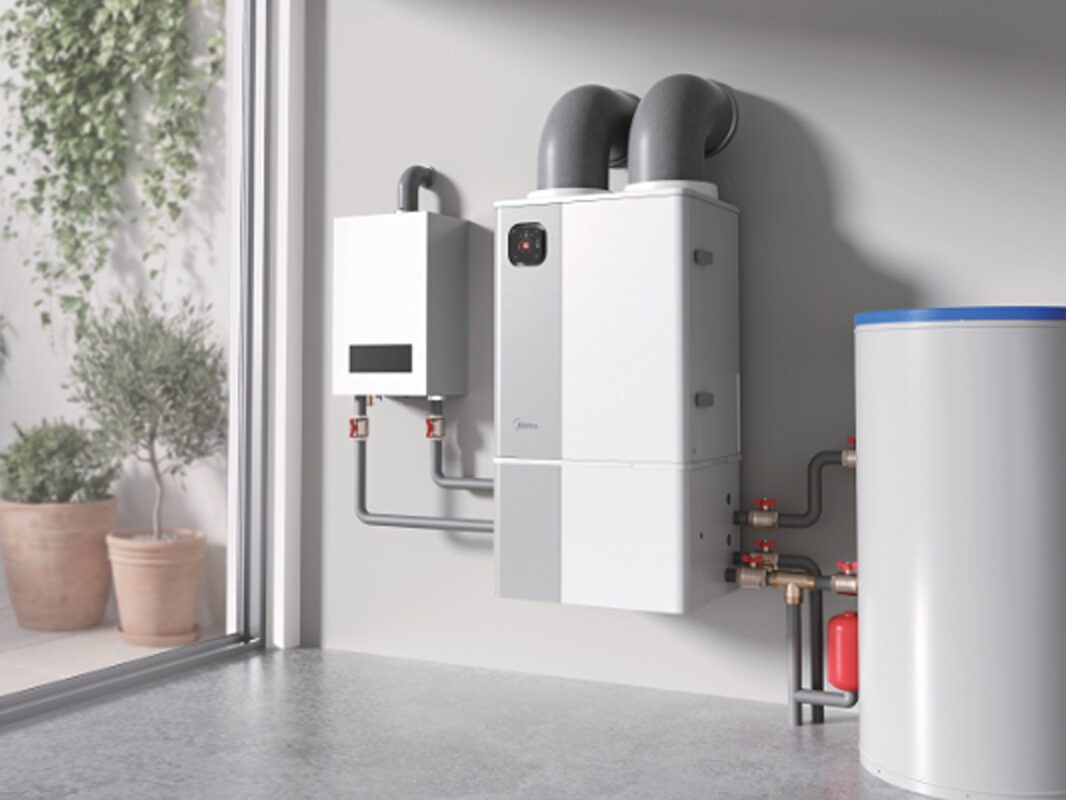
Heat pumps and other low-carbon heating options, such as district heating, will also become standard for new homes. The updated building regulations set a minimum standard of total energy performance that includes energy use and CO2 emissions from heating and hot water. This can be achieved through a variety of low-carbon technologies, including district heating systems, but air-sourced heat pumps are expected to play a prominent role.
Garry Felgate, CEO of The MCS Foundation – which oversees the UK microgeneration certification scheme – said confirmation that new homes in England will have solar panels and low-carbon heating systems was “very good news” for UK energy security and decarbonization.
“What matters now is implementation, and ensuring households have confidence in the technologies their new home will come with,” he said.
For existing properties, the UK government also revealed it expects plug-in solar panels will be available to consumers “within months” following recent confirmation that it was committed to legalizing plug-in “balcony” systems. Retailers such as Lidl and Amazon, plus manufacturers such as EcoFlow, are reportedly working with the government to swiftly bring these products to the UK market.
Rooftop solar and battery storage for existing homes and apartments are also set for significant subsidy support via the UK government’s Warm Homes Plan, with full details of the grants and loans available expected later in 2026.
The Future Homes Standard and the Warm Homes Plan have both been longstanding policies for the UK government's Department of Energy Security and Net Zero (DESNZ) as part of a broader strategy to increase the pace of solar deployment in a bid to meet clean power generation targets for 2030. Energy Minister Ed Miliband has been increasingly framing renewables deployment as a national security issue since the outbreak of the Iran war, citing the conflict as a key reason to accelerate deployment.
“The Iran War has once again shown our drive for clean power is essential for our energy security so we can escape the grip of fossil fuel markets we don’t control.
Whether through solar panels fitted as standard on new homes or making it possible for people to purchase plug-in solar in shops, we are determined to roll out clean power so we can give our country energy sovereignty,” Miliband said.
The UK government's Future Homes Standard applies in England. Developments in Scotland, Wales and Northern Ireland are government by local regulations.
This content is protected by copyright and may not be reused. If you want to cooperate with us and would like to reuse some of our content, please contact: editors@pv-magazine.com.

By submitting this form you agree to pv magazine using your data for the purposes of publishing your comment.
Your personal data will only be disclosed or otherwise transmitted to third parties for the purposes of spam filtering or if this is necessary for technical maintenance of the website. Any other transfer to third parties will not take place unless this is justified on the basis of applicable data protection regulations or if pv magazine is legally obliged to do so.
You may revoke this consent at any time with effect for the future, in which case your personal data will be deleted immediately. Otherwise, your data will be deleted if pv magazine has processed your request or the purpose of data storage is fulfilled.
Further information on data privacy can be found in our Data Protection Policy.