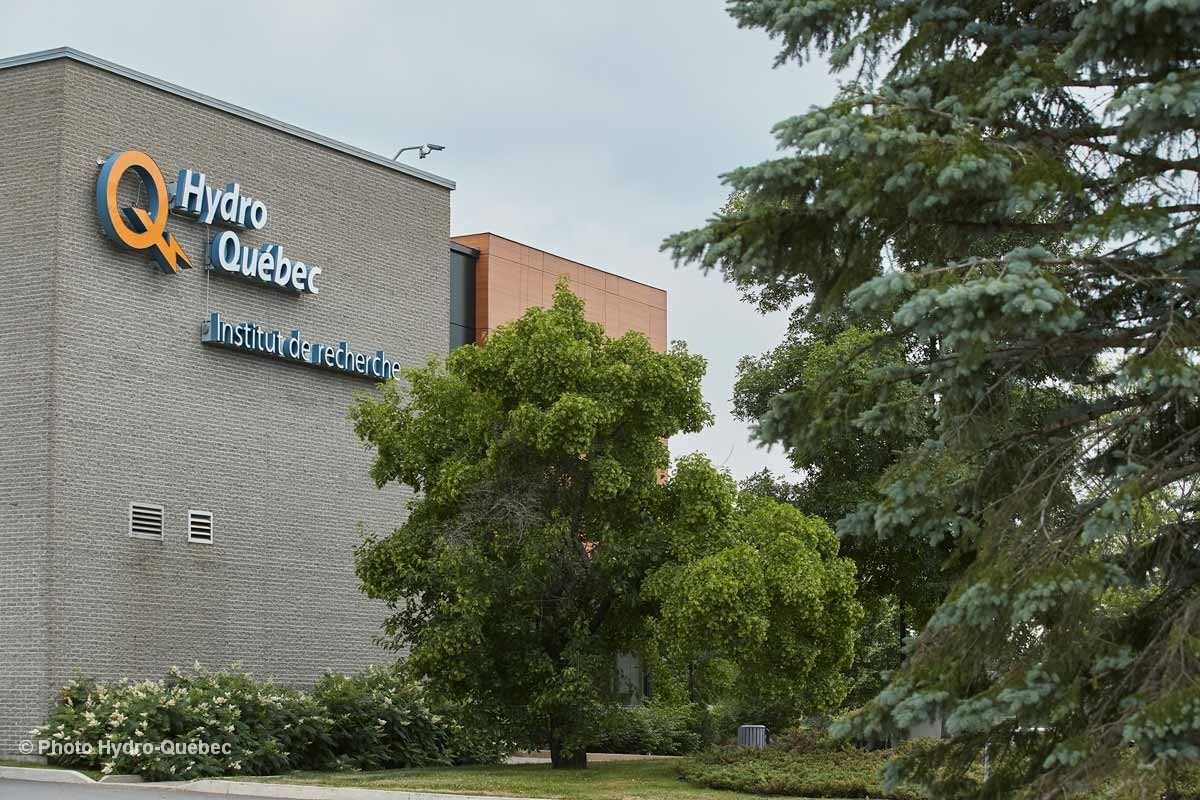





Provincial utility Hydro-Québec has launched a new grant program aimed at residential and commercial customers installing PV systems, as part of its broader strategy to expand solar generation in Québec, Canada.
The program provides CAD 1,000/kW of installed capacity and can cover up to 40% of eligible project costs. According to the utility, typical residential systems range between CAD 5,000 and CAD 6,000 in total costs, while business installations average around CAD 45,000.
Hydro-Québec said the initiative is designed to shorten payback periods for customers who choose to become self-generators. It expects typical payback times to fall from between 25 and 30 years to around 10 to 12 years under the new program.
Residential customers can apply through the LogiVert Efficient Homes Program, provided installations were completed on or after June 30, 2025, and meet program eligibility requirements. Business customers must apply via the OSE calculation tool under the Efficient Solutions Program, with projects required to meet technical and administrative criteria and be purchased after March 31, 2026.
The utility also allows participants to enroll in a net metering option, enabling them to export surplus electricity to the grid in exchange for kilowatt-hour credits. Hydro-Québec has increased the maximum self-generation capacity under this option from 50 kW to 1 MW over the past months.
To qualify for the grant, all installations must secure authorization for grid connection from Hydro-Québec and comply with the technical standards set out under the relevant residential and commercial program frameworks.
Canada's installed PV capacity stood at around 5.4 GW at the end of 2025, with Québec contributing just 17 MW of the cumulative total. The new grant program is part of Hydro-Québec's broader push to close that gap, alongside a 300 MW utility-scale solar tender launched last year and a long-term target of integrating 3 GW of solar into the provincial grid by 2035, driven by rising electricity demand.
This content is protected by copyright and may not be reused. If you want to cooperate with us and would like to reuse some of our content, please contact: editors@pv-magazine.com.

By submitting this form you agree to pv magazine using your data for the purposes of publishing your comment.
Your personal data will only be disclosed or otherwise transmitted to third parties for the purposes of spam filtering or if this is necessary for technical maintenance of the website. Any other transfer to third parties will not take place unless this is justified on the basis of applicable data protection regulations or if pv magazine is legally obliged to do so.
You may revoke this consent at any time with effect for the future, in which case your personal data will be deleted immediately. Otherwise, your data will be deleted if pv magazine has processed your request or the purpose of data storage is fulfilled.
Further information on data privacy can be found in our Data Protection Policy.