




From pv magazine Italy
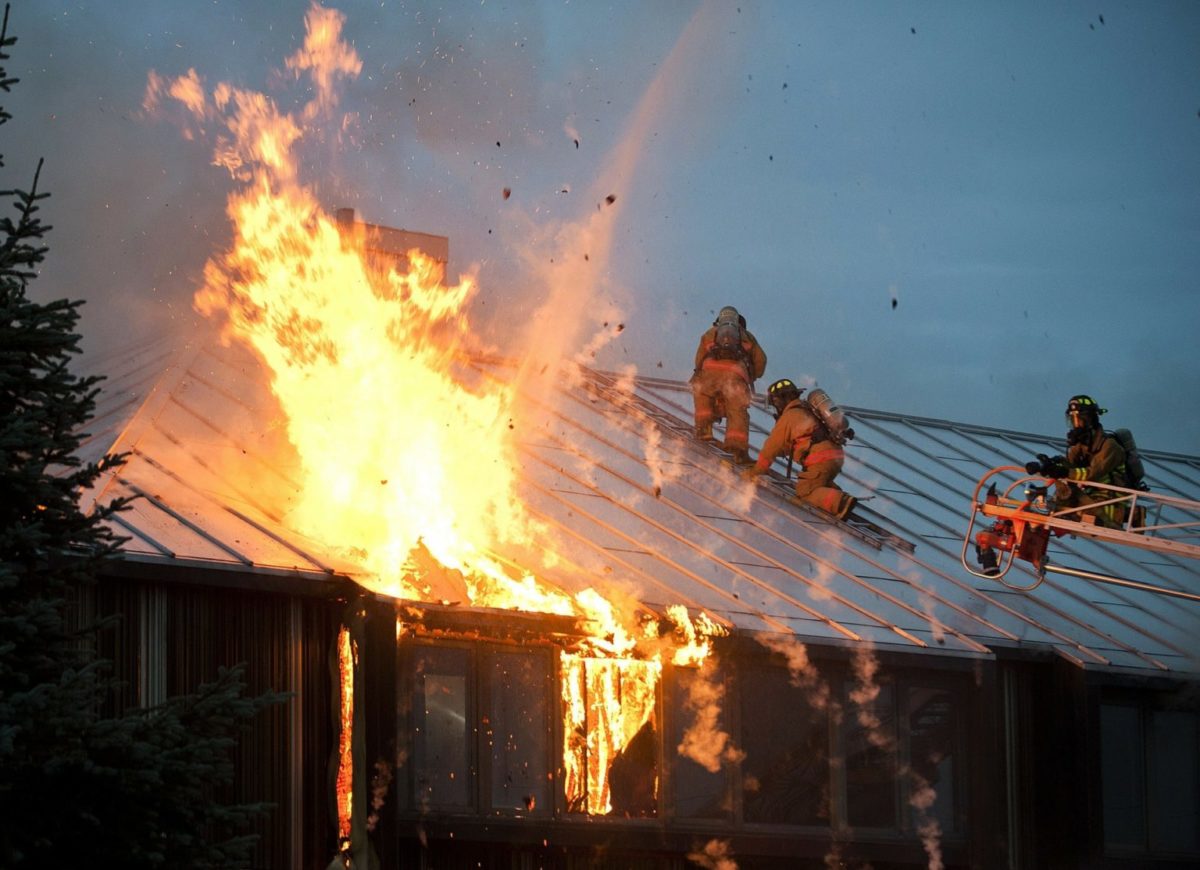
The Italian National Fire Service has published new fire prevention guidelines for PV systems.
The provisions update fire safety requirements for solar arrays, expanding technical measures by installation type and introducing rules on storage systems, minimum distances, compartmentalization, and mandatory maintenance.
The guidelines apply to PV systems with a nominal voltage of less than 1,500 V on residential, industrial, commercial, and rural buildings, including carports, pergolas, and connected shelters, as well as covered parking lots if they interfere with fire-regulated activities.
The rules are binding for new installations and major system modifications, with transitional measures for systems already registered or designed before entry into force. Exemptions include ground-mounted systems, plug-and-play units, systems under 800 W, agrivoltaic systems located more than 100 m from buildings, and concentrated solar systems.
The text distinguishes between building-attached PV (BAPV) and building-integrated PV (BIPV). For storage, it requires a risk assessment when lithium-ion BESS are present, referring to guidelines specific to battery systems.
Prevention measures set clearances: panel groups may not exceed 20 m per side and must be separated by 2 m system-free paths. Roof edges require 1 m clear strips. Ventilation and inverters must be installed in REI/EI 30 compartments. Installations are restricted in escape routes and near HVAC systems, openings, or technical equipment.
Panels and components must maintain at least 1 meter from smoke or heat vents, skylights, chimneys, and openings. On shed roofs with windows, specific distances and compensatory measures are required if spacing is reduced.
Installations must use noncombustible structures (class A1) or include EI 30 materials. Fire reaction must be assessed on the panel-roof system according to UNI EN 13501-1 and 13501-5 standards.
Each system must include a clearly marked disconnection device accessible to emergency responders. Maintenance rules require biennial inspections for fire risk.
Relevant CEI standards cited include CEI 64-8, CEI 82-25, CEI EN 62446-1, and CEI EN IEC 62446-2.
Luca Perrone, CEO of Italian integrator STP Progetti, said the guidelines bring a more structured approach that explicitly includes pergolas, canopies, and shelters.
“The distinction between BAPV and BIPV systems has now been clarified, with fire prevention measures tailored to the installation method,” Perrone told pv magazine. “New geometric parameters have been defined for BAPV, in addition to a revision of the classification criteria for the panel-roof system's reaction and fire resistance.”
Perrone noted that the guidelines add a dedicated section on maintenance and inspections to ensure proper system operation and explicitly call for risk assessments of lithium-ion storage, reflecting their growing use.
He noted that the rules improve accessibility for emergency responders and reduce fire spread risk within PV systems.
“This is a significant change because it directly impacts the design and arrangement of modules, avoiding the ‘papered’ coverings we are used to seeing. Furthermore, some studies show that just two meters are sufficient to prevent the spread of fires in photovoltaic systems.”
This content is protected by copyright and may not be reused. If you want to cooperate with us and would like to reuse some of our content, please contact: editors@pv-magazine.com.

By submitting this form you agree to pv magazine using your data for the purposes of publishing your comment.
Your personal data will only be disclosed or otherwise transmitted to third parties for the purposes of spam filtering or if this is necessary for technical maintenance of the website. Any other transfer to third parties will not take place unless this is justified on the basis of applicable data protection regulations or if pv magazine is legally obliged to do so.
You may revoke this consent at any time with effect for the future, in which case your personal data will be deleted immediately. Otherwise, your data will be deleted if pv magazine has processed your request or the purpose of data storage is fulfilled.
Further information on data privacy can be found in our Data Protection Policy.