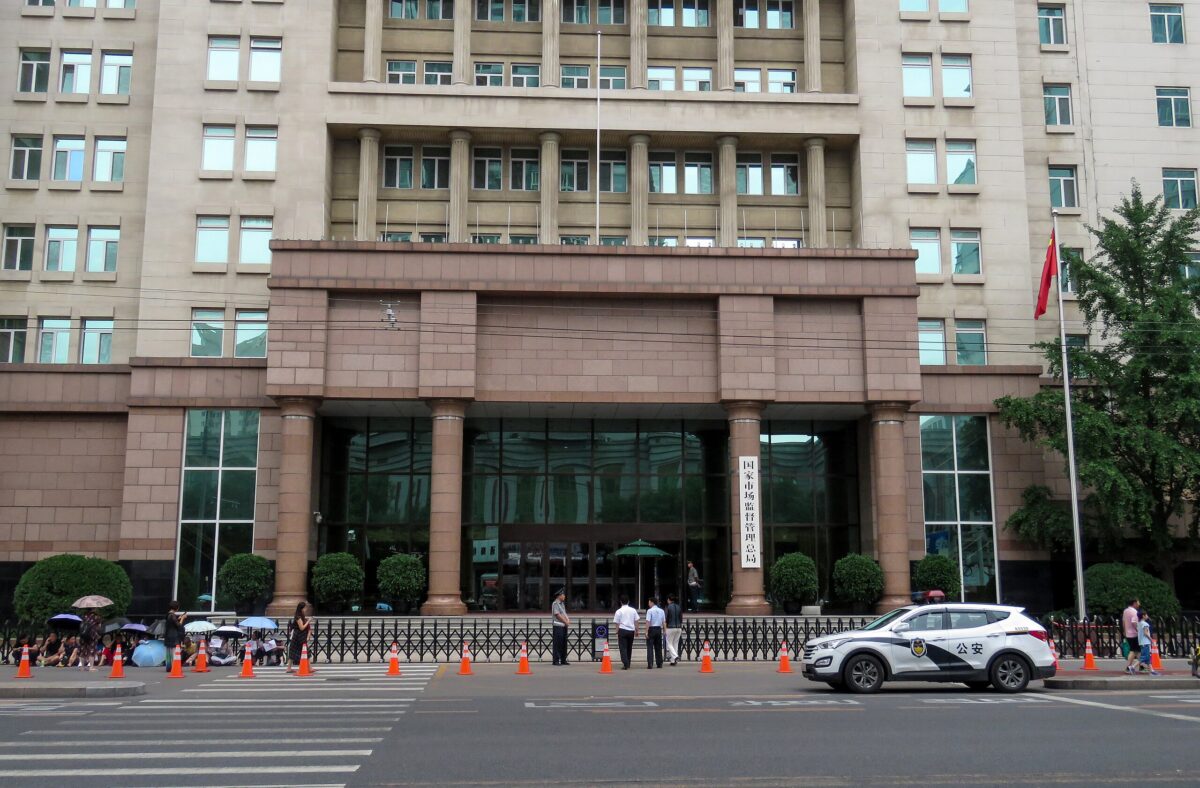





China's State Administration for Market Regulation (SAMR) convened a closed-door meeting in Beijing on Jan. 6 with the China Photovoltaic Industry Association (CPIA) and major participants involved in a $7 billion plan to cut polysilicon overcapacity, sources told <b>pv magazine</b>.
The plan involved China’s six largest polysilicon producers – Tongwei, GCL, Daqo, Xinte, East Hope, and Asia Silicon – and envisaged raising about CNY 50 billion ($7 billion) to buy and idle roughly one-third of the country’s polysilicon production. The six companies together have nearly 2.5 million metric tons (MT) of capacity; the rest of the industry accounts for 700,000 MT.
SAMR reportedly flagged monopoly risks linked to the stockpiling platform set up on Dec. 9 and said that since July 2025, participating companies had coordinated under the banner of “industry self-discipline” through commitment letters, consolidation plans, and dynamic supply adjustment measures.
Join us on Jan. 28 for pv magazine Webinar+ | The Solar Module Market Playbook: Managing pricing, risks, and other procurement challenges. We combine real-time market data, case studies, and an interactive Q&A to help EPCs, developers, investors, and distributors secure high-quality PV modules at competitive prices, thereby safeguarding project bankability. The regulator said these measures had contributed to rising polysilicon prices and amounted to coordinated control over output and sales volumes, market allocation by capital contribution, and pressure on downstream margins. SAMR ordered associations and companies to review all actions, submit documentation including agreements, meeting minutes, and reports, and implement corrective measures. Specifically, SAMR prohibited any agreements on production or sales volumes, capacity, pricing, output quotas, profit sharing, market division, or exchange of price and production information. All parties must submit written rectification plans by Jan. 20. A SAMR official said this ex-ante intervention warns the industry that violations will trigger formal investigations and enforcement actions. Industry sources confirmed CPIA has suspended monthly coordination meetings and paused all previously agreed production or price restraint measures. The market responded immediately. Polysilicon futures on the Guangzhou Futures Exchange fell 9% on Jan. 8, hitting the daily down limit, and dropped a further 8.11% on Jan. 9, closing at CNY 51,300/MT, near October 2025 levels. This content is protected by copyright and may not be reused. If you want to cooperate with us and would like to reuse some of our content, please contact: editors@pv-magazine.com.

By submitting this form you agree to pv magazine using your data for the purposes of publishing your comment.
Your personal data will only be disclosed or otherwise transmitted to third parties for the purposes of spam filtering or if this is necessary for technical maintenance of the website. Any other transfer to third parties will not take place unless this is justified on the basis of applicable data protection regulations or if pv magazine is legally obliged to do so.
You may revoke this consent at any time with effect for the future, in which case your personal data will be deleted immediately. Otherwise, your data will be deleted if pv magazine has processed your request or the purpose of data storage is fulfilled.
Further information on data privacy can be found in our Data Protection Policy.