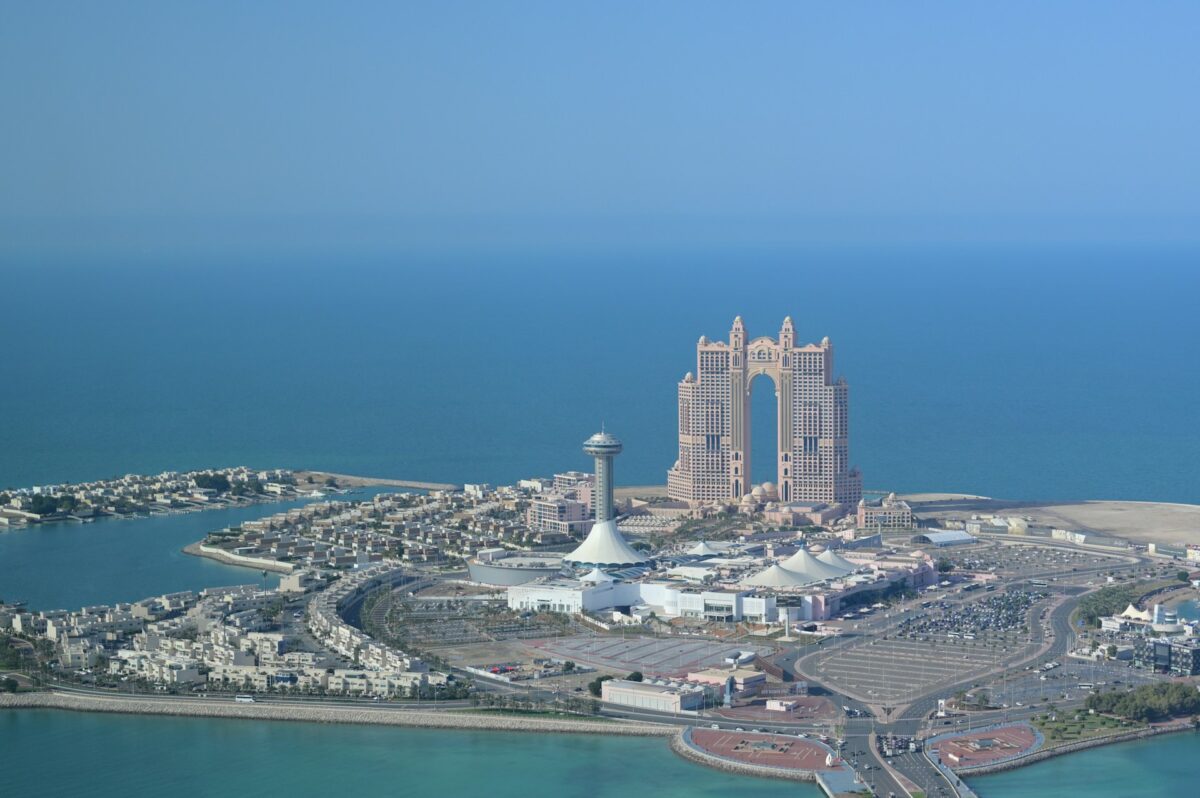





Abu Dhabi’s Department of Energy (DoE) is launching the second phase of the city’s solar energy self-supply policy, expanding to the residential sector for the first time.
The policy, which gives customers across the UAE capital the option to adopt solar for self-consumption, was first unveiled in February, with the first phase targeting the agricultural sector.
The updated policy now allows villa owners and eligible residential buildings to generate and store electricity from rooftop solar systems, either with or without connected battery energy storage systems. It forms part of the DoE’s mandate to promote the adoption of smart and flexible solutions for energy production and consumption.
An update from DOE explains the policy expansion aligns with national objectives to meet increasing demand for energy through advanced solutions serving all sectors. It adds that the new phase will also focus on implementing a simplified regulatory framework that streamlines installation and grid connection procedures.
Abdulaziz Mohammed Al Obaidli, DoE’s Director-General of Regulatory Affairs, said extension to the residential sector will enhance energy consumption efficiency and support the integration of the power system.
The UAE added around 1 GW of solar in 2025, taking cumulative capacity to approximately 6.7 GW, with current deployments dominated by utility-scale installations. Forecasts from GlobalData expect the country’s total solar capacity to reach 20 GW by the end of the decade.
This content is protected by copyright and may not be reused. If you want to cooperate with us and would like to reuse some of our content, please contact: editors@pv-magazine.com.


By submitting this form you agree to pv magazine using your data for the purposes of publishing your comment.
Your personal data will only be disclosed or otherwise transmitted to third parties for the purposes of spam filtering or if this is necessary for technical maintenance of the website. Any other transfer to third parties will not take place unless this is justified on the basis of applicable data protection regulations or if pv magazine is legally obliged to do so.
You may revoke this consent at any time with effect for the future, in which case your personal data will be deleted immediately. Otherwise, your data will be deleted if pv magazine has processed your request or the purpose of data storage is fulfilled.
Further information on data privacy can be found in our Data Protection Policy.