Emiliano Bellini

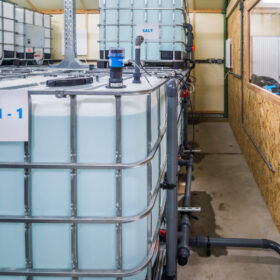
Long-duration storage as an antidote to grid congestion, renewables curtailment
RenewaFLEXNL, a three-year Dutch initiative led by TNO, aims to accelerate long‑duration energy storage (8–100 h) to reduce grid congestion and better integrate renewable energy. pv magazine spoke with the project coordinator, Iraxte Gonzalez Aparicio, about diverse storage technologies, real-world applications, regulatory guidance, and energy management system tools to support large-scale solar‑plus‑storage deployment in the Netherlands and beyond.

Agrivoltaics? Yes in my vineyard
Researchers in Spain surveyed 238 wine tourists in the Murcia region and found broad support for trellis-integrated agrivoltaics in vineyards, with 94% backing solar integration and most respondents seeing no landscape conflict.
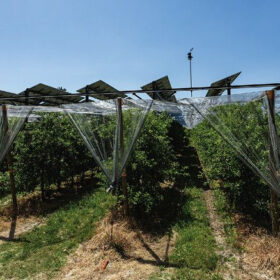
Scientists say land-preservation costs should be factored into agrivoltaics’ LCOE calculations
German researchers found that agrivoltaics costs far exceed agricultural benefits, raising doubts about subsidies and highlighting the need for more cost-competitive system designs.
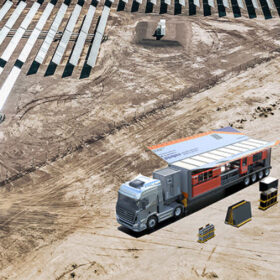
South Korea’s Won Kwang S&T launches mobile solar panel recycling solution
Won Kwang S&T has developed a mobile, on-site solar module recycling system for utility-scale PV plants. The SolreBorn unit can reportedly process up to 2.5 tonnes of modules per day and improve the economics of solar panel recycling through on-site dismantling and material recovery.
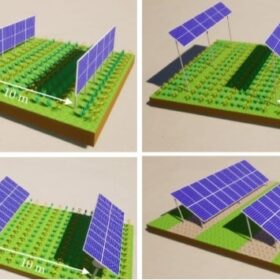
All agrivoltaic cropping systems at a glance
An international research team reviewed agrivoltaic systems, highlighting challenges in design, crop performance, and PV efficiency, while mapping their global potential. They call for innovative layouts, targeted crop selection, and improved modeling to maximize energy yield and land-use efficiency.
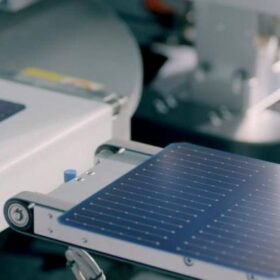
DAS Solar unveils new method to identify hot-spots in TOPCon back-contact solar modules
The Chinese manufacturer said it developed a new circuit-model–based method to accurately detect hot-spot risks in TOPCon back-contact modules, overcoming limitations of the IEC 61215 approach caused by low shunt resistance. Validated through indoor and outdoor tests, the method predicts temperature rise under shading and reportedly enables faster, more accurate hot-spot risk assessment.

The impact of agrivoltaics on potato farming
New research from Italy has shown that agrivoltaic systems can reduce potato yield by up to 15% compared to full-light cropping. However, moderate early-season shading was found to delay soil-moisture depletion, extending biomass accumulation and improving water-use efficiency.
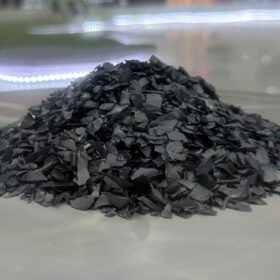
United Solar begins production at Omani polysilicon factory
The factory is located in Oman’s Sohar Freezone and will be capable of supporting the production of up to 40 GW of solar modules annually once at full capacity.
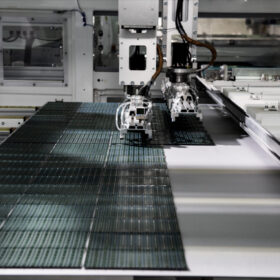
Aiko, Maxeon settle global back-contact patent dispute
Under the terms of the agreement, Aiko will be licensed to Maxeon’s back-contact solar cell and module patents outside the U.S., while both companies drop all ongoing legal actions.

Entso-E outlines tools for spotting instability in renewables-heavy grids
The European Network of Transmission System Operators for Electricity published a report on instability detection technologies to help countries with high renewable energy shares maintain grid reliability. The study highlights key tools, research priorities, and the need for stakeholder collaboration to advance real-time monitoring and data-driven decision-making.
