Author

Marija Maisch
Marija has years of experience in a news agency environment and writing for print and online publications. She took over as the editor of pv magazine Australia in 2018 and helped establish its online presence over a two-year period. Since December 2021, Marija has been working as staff editor at pv magazine International for both online and monthly print publications, specializing in Eastern European solar markets, battery energy storage systems, and electric vehicles.
Advertisement
Articles written by Marija Maisch
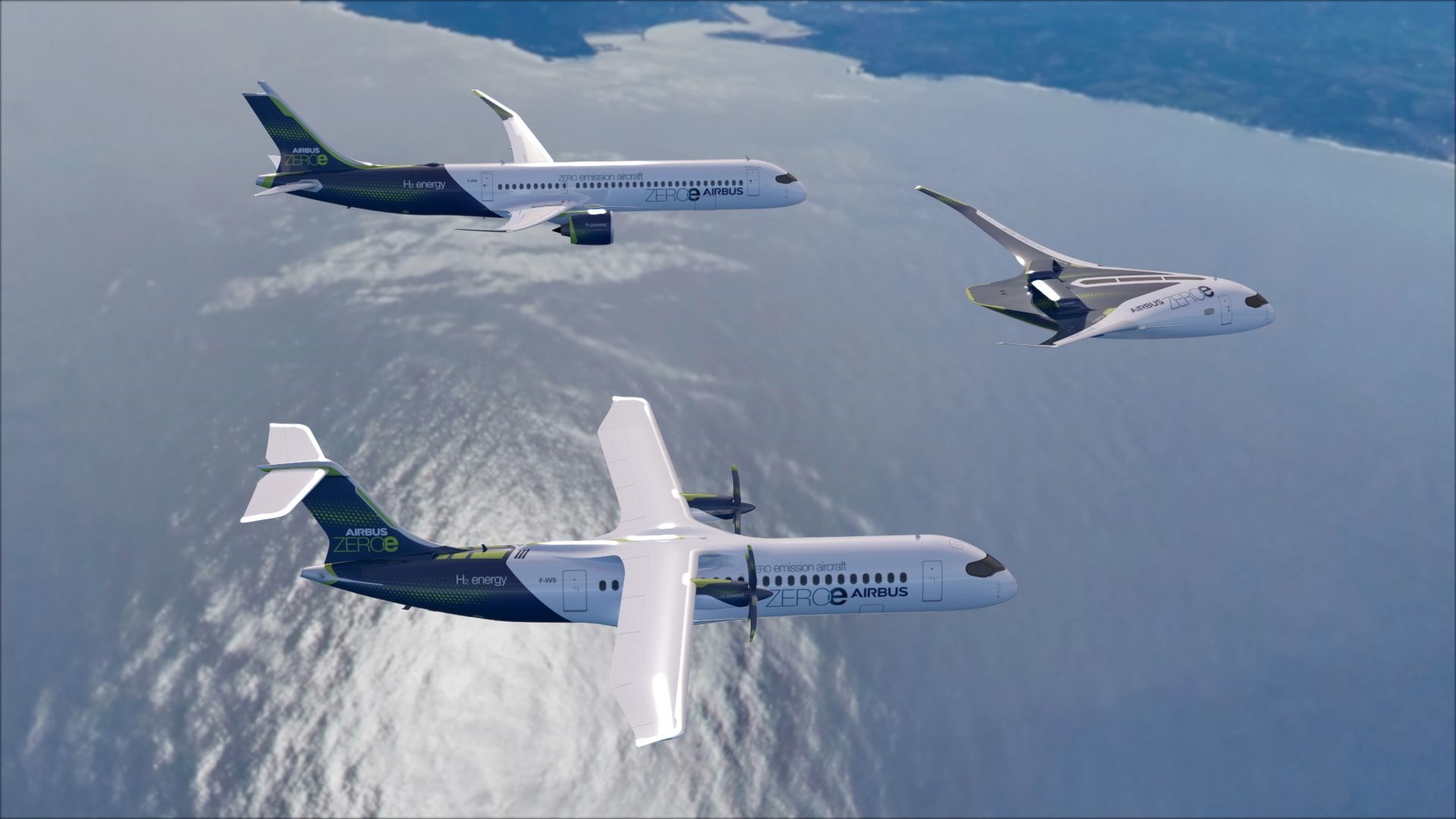
The Hydrogen Stream: Germany, Austria and Luxembourg launch €2.12 billion program for sustainable aviation fuel
In other news, African green hydrogen projects secure new funding and Mauritania advances the Aman project. Moreover, Ansaldo Green Tech is expands electrolyzer manufacturing, as Toyota, Iveco and Hyster advances hydrogen-powered heavy-duty transport.
5 hours ago
Adapt to deliver
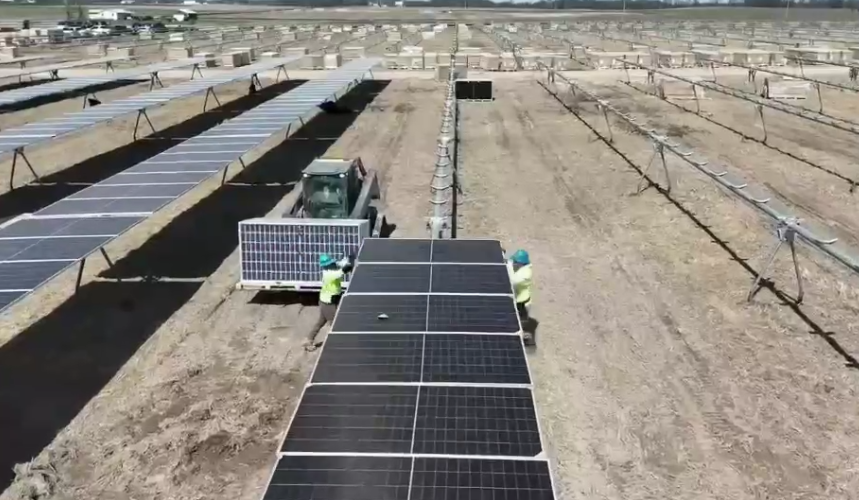
The US solar industry has become remarkably good at building utility-scale projects. The challenge now is delivering on the exact day the interconnection agreement expects. Chinmay Pingulkar of engineering, procurement, and construction (EPC) supplier Mortenson Construction outlines key considerations for project scheduling.
Advertisement

Advertisement
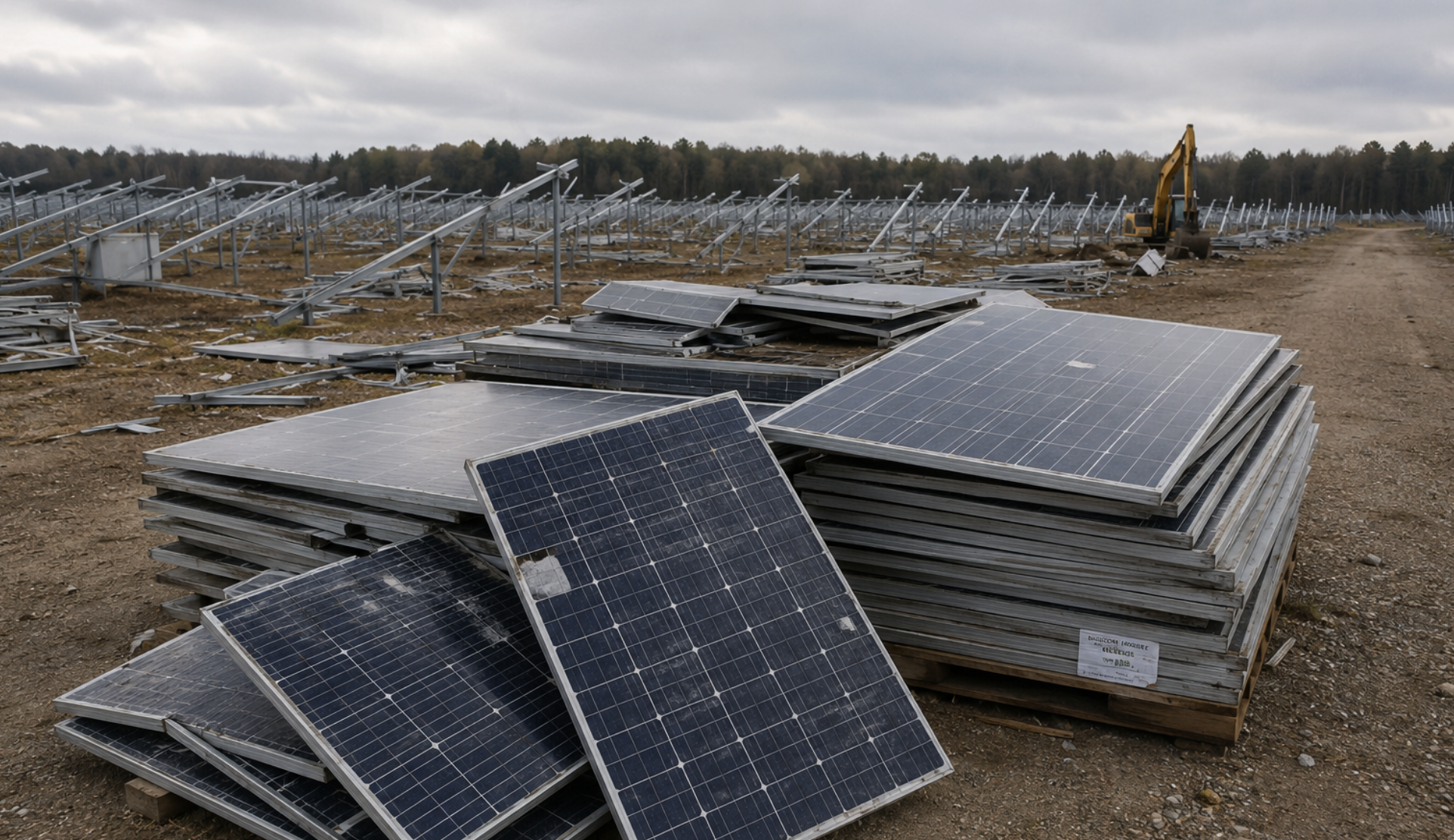
Canadian province announces PV panel recycling fee
The government of Alberta is introducing a fee of CAN 14 ($15.99) to each new solar panel supplied in the province beginning October 1. It says the money raised will go towards collecting, transporting and recycling panels once they reach end of life.
Advertisement
Press releases
Press Release
BessCare
4 hours ago
Press Release
APECO
Sep 24, 2026
Press Release
itel Energy
Aug 24, 2026
Press Release
Novar
Mar 09, 2026
Press Release
Jinko ESS
Feb 17, 2025
Press Release
Elements Green
Jan 09, 2025
Press Release
Renalfa IPP
Jan 06, 2025