Marija Maisch

CPIA pushes back against US ban on solar imports from Xinjiang
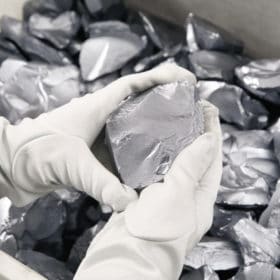
The China Photovoltaic Industry Association (CPIA) has criticized the adoption of the Uyghur Forced Labor Prevention Act by the United Stats Congress, which bars all imports from China’s Xinjiang region, and urged the country to stop spreading harmful rumors.
Risen Energy plans integrated PV factory run on clean energy
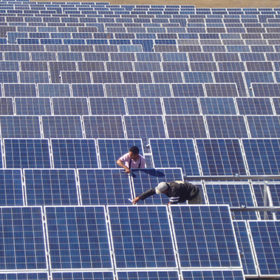
The Chinese PV manufacturer has unveiled ambitious plans to build a vertically integrated factory in China’s Inner Mongolia region, which will be powered by a mix of solar and wind coupled with on-site energy storage.
The Wikipedia of perovskite solar cell research
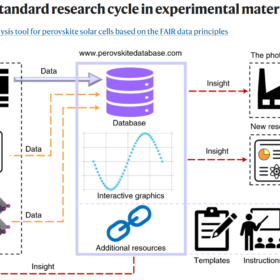
An international team of researchers has collected data on metal halide perovskite solar cells from more than 15,000 specialist publications and made them available in an open-access database. The Perovskite Database Project is based on the FAIR data principles that data should be findable, accessible, interoperable, and reusable and aims to capture the rapid development occurring in this increasingly relevant research field.
An overview of heterojunction solar cell technologies
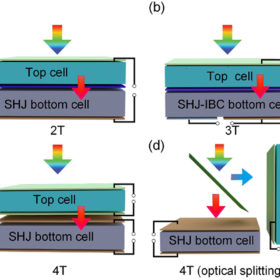
Scientists at the Nankai University in China have provided a comprehensive overview of current research on silicon heterojunction-based tandem solar cells (SHJ-TSCs) and shared their expectations of future developments in this field.
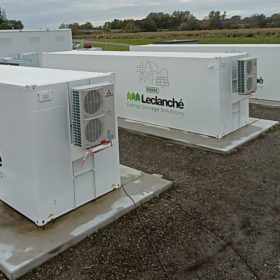
Another big battery ready to join Dutch grid
Swiss battery manufacturer Leclanche and Dutch energy storage specialist S4 Energy have completed work on a 10 MW hybrid energy storage system located in Heerhugowaard, North Holland. The system will serve the frequency containment reserve market as the Dutch grid continues to face serious congestion issues.
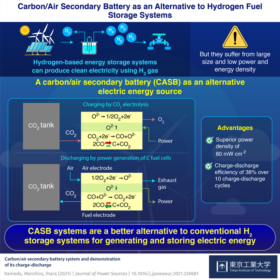
Carbon-air batteries vs hydrogen storage
Researchers from Tokyo Tech have developed an alternative to hydrogen energy storage which is smaller in size and more efficient. The system utilizes carbon as an energy source and demonstrates superior power density and charge-discharge efficiency of 38% over 10 cycles.
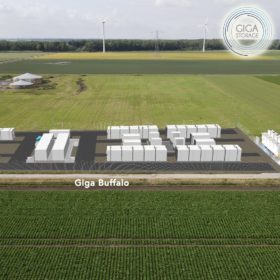
Wartsila to supply Netherlands’ largest battery
The 25MW/48MWh battery will be the country’s largest energy storage system to date. The project is touted as the first large-scale battery project based on lithium iron phosphate (LFP) chemistry in Europe.
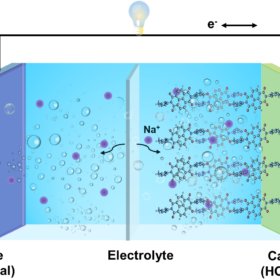
Ultra-stable sodium-ion storage via organic electrode materials
A research team at China’s Soochow University has used hydrogen-bonded organic frameworks to make sodium-ion batteries even more sustainable and affordable while prolonging their lifespan to over 10,000 cycles.
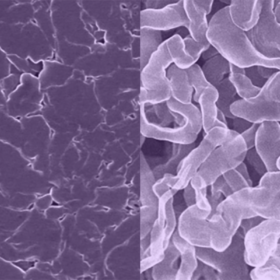
Sodium battery research tackles formation of dendrites
Sodium batteries, an increasingly competitive area of research, have emerged as a low-cost, lithium-free energy storage alternative based on abundant, more environmentally friendly materials. A pair of new research papers addresses some of the remaining hurdles to widespread adoption, such as the formation of dendrites on the anode.
Renewables improve reliability outlook for Australia’s main grid
Australia’s power supply has improved, as new solar and wind capacity are making summer blackouts less likely, says the Australian Energy Market Operator. Timely commissioning of new generation, storage and transmission investment will be critical, given the nation’s aging coal fleet and looming plant closures.
