
National Grid pre-qualifies first vanadium-flow battery for frequency response in UK
Batteries of the type have traditionally been used for long-duration storage applications. Now though, it seems vanadium is making an entry into the fast-paced world of ancillary grid services.

‘Investment in nickel production needs to happen now’
Rather than helping electric vehicle take-up by driving down costs to parity with traditional engines, the low price of nickel at the moment is deterring investors and could cause a supply shortage that holds back electromobility in a few years’ time.
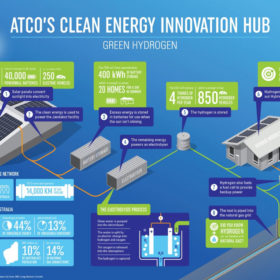
Green hydrogen joins natural gas in Australian pipelines
Canadian gas giant ATCO has unveiled its Clean Energy Hub in Jandakot which will explore the potential of hydrogen for home use in gas appliances. On the same day, the Western Australian government has launched a renewable hydrogen strategy and announced the creation of a $10m green hydrogen fund.

BlackRock goes behind the meter with GE
The startup formerly known as GE Solar has become a full fledged company, with GE and BlackRock announcing the creation of Distributed Solar Development, a behind-the-meter solar joint venture.

UK needs 13 GW of DSR, smart EV charging and V2G ramp up for net zero goal
… and it will be quite an effort. The U.K.’s grid operator, National Grid, released a new report on possible energy system transformation pathways, amidst growing public concern over climate change. Ramping carbon emissions reduction targets up from 80% to 100% prompts technical challenges. These can be overcome but will require full alignment of policy effort and individual awareness and decision making.

Lithium-ion recycling rates far higher than some statistics suggest
While it is often stated only 5% of lithium-ion batteries are recycled, a review of research into the second life and recycling of lithium-ion batteries suggests that is a gross understatement. A new study found almost 100,000 tons of waste batteries were recycled last year – about half of what reached end-of-life.
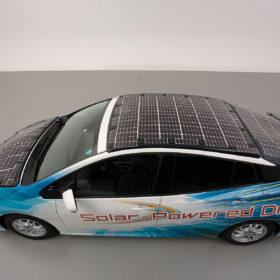
Toyota shows off solar Prius with 860 W output from 34% efficient cells
The car will be road tested at Toyota City in Japan. Solar charging technology for the vehicle will then be further optimized before the vehicle goes on sale.
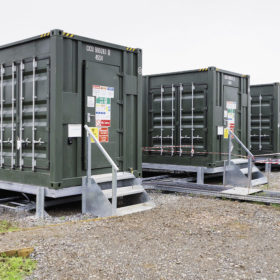
Australia will need 15 GW of utility scale storage by early 2040s
Increased storage and strategic transmission development will be needed to ensure the most economic and lowest risk transition of Australia’s energy system, the Australian Energy Market Operator said in its latest study. In 20 years’ time, the need for storage will be at a scale not seen before in the national electricity market, and pumped hydro and distributed storage are set to play major roles in lowering electricity prices and building a reliable and resilient power system.
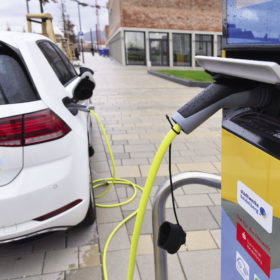
Electric vehicle announcements point way ahead for UK transport – with or without government support
Two of the nation’s largest commercial fleet operators have pledged to go all-electric by 2030, beating the government’s ambition by a decade, and carmaker Jaguar Land Rover has made a big electrification announcement – but insisted the politicians need to show similar bold ambition.
‘Transforming Australia from a global laggard to a leader in transport innovation,’ Chargefox flexes EV charging muscle
Australia’s only public ultra-rapid EV charging network has opened the most powerful charging station in the Southern Hemisphere. At the same time it announced a partnership with Yurika and the Queensland state government to manage the 17 fast charging sites that make up the Queensland Electric Super Highway.
