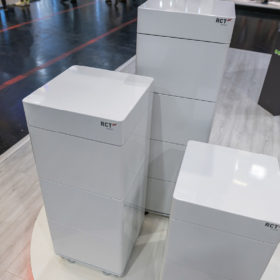
The weekend read: Energy storage efficiency and prices determine economics
Estimating the total cost of energy storage connected to a rooftop PV installation is a complex affair, involving factors such as tax, the policy environment, system lifetimes, and even the weather. As part of its extensive overview of distributed energy storage in Germany, pv magazine Germany analyzed the efficiency of different battery energy storage systems to create a comparable index that illustrates the cost of a stored kilowatt-hour.
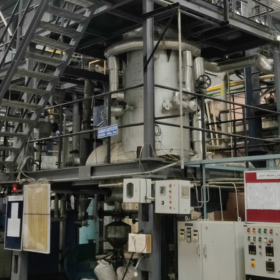
The Hydrogen Stream: Steam-based tech to produce 100 g of hydrogen from 1 kg of biomass
Researchers from the Indian Institute of Science (IISc) developed a two-phase hydrogen production technology that is capable of using steam to produce hydrogen from biomass. Furthermore, an Indian-Norwegian consortium is developing green ammonia in Oman, Toshiba is starting research on hydrogen production from geothermal energy, and Thyssengas is selecting personnel for the conversion of around 20% of its gas network.
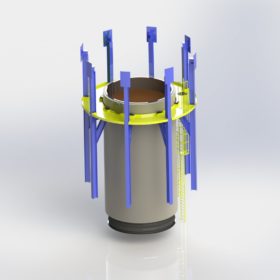
Hybridizing compressed air, thermal energy storage in post mining infrastructure
Scientists in Poland have developed a compressed air energy storage technology using a thermal energy storage (TES) system built into a disused mine shaft. The system works without external heat sources, and utilizes an air compressor, a compressed air reservoir with a built-in thermal energy storage system, and an air expander.

Viessmann builds heat pump factory in Poland
The Germany-based heating specialist wants to invest more than €200 million (US$200.5 million) in the new heat pump facility.
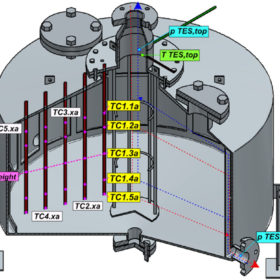
Storing renewables via radial-flow packed bed thermal energy storage
Researchers in Sweden have created a thermal energy storage system relying on a dynamic air mass flow rate that is applied during both charge and discharge processes. It achieved a maximum thermal efficiency of around 70%.
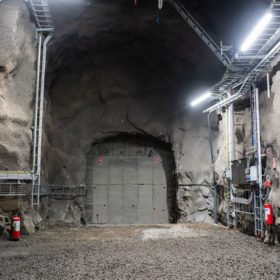
Swedish consortium completes rock cavern for green hydrogen storage
Vattenfall and its partners have finished building a 100-cubic-meter underground facility to store green hydrogen.
REC Group secures EU funding for HJT solar factory in France
REC Solar has announced plans for a PV module gigafactory in France, along with 17 other clean tech projects that will share €1.8 billion ($1.8 billion) of grants from the European Union’s Innovation Fund.
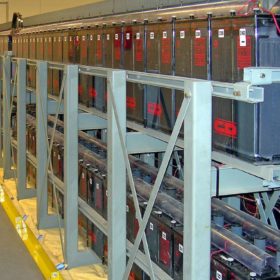
The real value of energy storage
An international research team has developed a new way to evaluate the economic value of energy storage technologies. They went beyond pure cost assumptions to consider the benefits that such technologies could bring to energy systems.
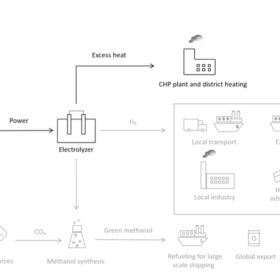
Waste heat from hydrogen production for district heating
The use of waste heat from hydrogen production in district heating could increase the attractiveness of green hydrogen, according to new research from Sweden.
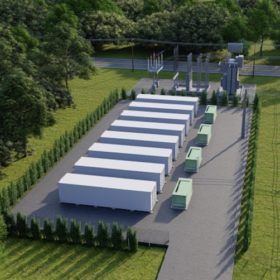
Equinor acquires US energy storage developer
Battery storage is key to Equinor’s strategy of supporting its portfolio of offshore wind and upstream oil and gas, as well as future opportunities in the hydrogen and renewables space.
