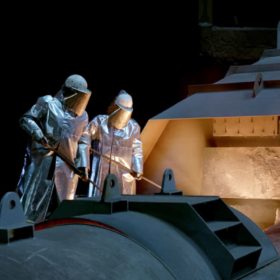
The Hydrogen Stream: Global electrolyzer market to reach 8.5 GW by 2026
GlobalData has predicted that the global electrolyzer market will hit 8.52 GW by 2026. BP and Thyssenkrupp have agreed to cooperate on the use of hydrogen in the steel sector, while electrolyzer supplier Nel Hydrogen has secured orders in Australia and Denmark.

World’s largest hybrid hydropower-photovoltaic station
Yalong Hydropower is building a 1 GW solar park that will be connected to an operational 3 GW hydropower facility on the Yalong River in southwestern China.
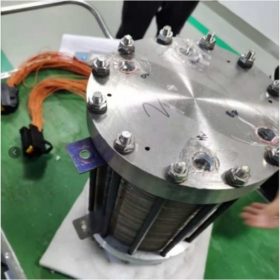
PEM electrolysis coupled with thermal energy storage
Chinese researchers claim to have improved the performance of a proton exchange membrane electrolyzer by connecting it to a thermal energy storage system.
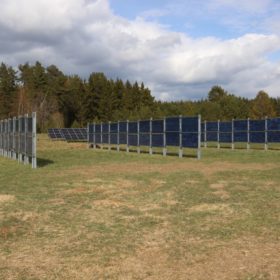
The stabilizing effect of vertical east-west oriented PV systems
German researchers have looked at how vertical PV systems could provide more electricity during periods of higher demand, while enabling a higher level of integration with agricultural activities.
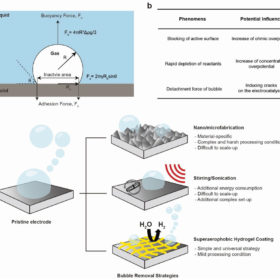
The Hydrogen Stream: New hydrogel for bubble detachment in hydrogen production
South Korean researchers have published a new study on the use of hydrogel to remove gas bubbles in hydrogen production, while Shell has revealed that it will continue with its hydrogen investments in the Netherlands, Vestas, meanwhile, said it will launch a pilot project to use hydrogen in a crew transfer vessel.
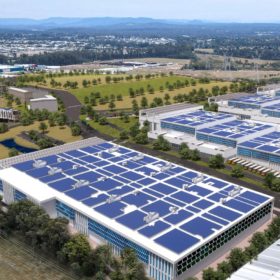
Quinbrook unveils plans for 2 GWh big battery in Australia
Australia’s Quinbrook Infrastructure has unveiled plans to build a AUD 2.5 billion (§1.7 billion) data storage precinct in Brisbane that will be powered by renewable energy. It will include one of the largest battery storage installations in the National Electricity Market.
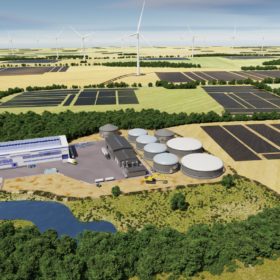
Hybrid wind-solar complex under development in Denmark
Eurowind Energy is building wind-solar capacity at five onshore energy centers and is also considering hydrogen electrolysis. It says each of the sites will include battery storage to offer grid services.
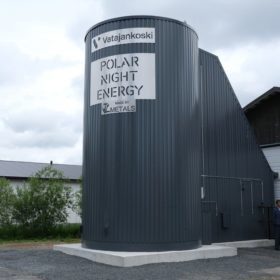
Sand-based system for seasonal storage comes online in Finland
The system will provide district heating to the city of Kankaanpää in western Finland. It has 100 kW of heating power and 8 MWh of energy capacity.
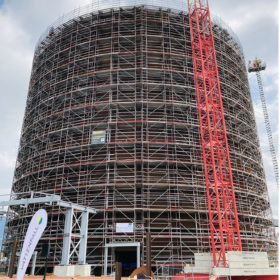
Europe’s largest heat storage tank
The heat storage tank is 45 m high and has a capacity of 56 million liters. It will store district heating water at a temperature of 98 C and, according to Vattenfall, will use heat produced with renewable electricity coming from the grid.
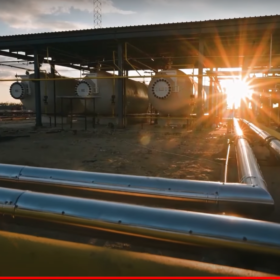
Acme to build 1.5 GW green hydrogen project in India
Indian developer Acme will set up a green hydrogen and ammonia project in Tamil Nadu with 1.5 GW of electrolysis capacity and 1.1 million tons of ammonia synthesis, powered by a 5 GW solar plant.
