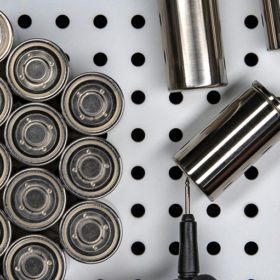
DNV identifies CATL, Narada batteries as top performers
DNV recently evaluated 19 battery cells through its testing program and found that lithium iron phosphate (LFP) cells from Chinese battery makers CATL and Narada offer the best performance in stationary energy storage applications.
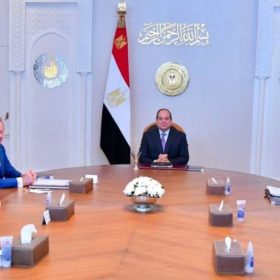
Fortescue proposes 9.2 GW green hydrogen project in Egypt
Mining magnate Andrew Forrest’s Fortescue Future Industries continues its campaign to be one of the world’s largest clean energy companies, with new plans to develop a 9.2 GW wind and solar facility in Egypt to power green hydrogen production.
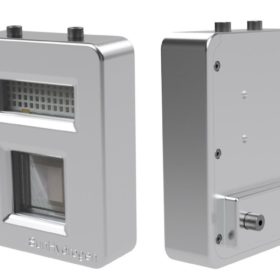
The Hydrogen Stream: US startup unveils nanoparticle-based green hydrogen tech
SunHydrogen has provided a first look at the prototype design for its forthcoming nanoparticle-based green hydrogen technology, and Plug Power has secured a 5 MW electrolyzer order from Lhyfe. A Chinese-US research group, meanwhile, claims to have achieved a highly stable saline water electrolysis using Rhodium nanocrystals.

SolarPower Europe at odds with implications of EU windfall tax on renewables
SolarPower Europe has issued a statement opposing any moves by the European Commission to impose a lower maximum electricity price on renewables than on fossil fuel energy. EU member state energy ministers will meet this week to thrash out emergency measures to protect bill payers.
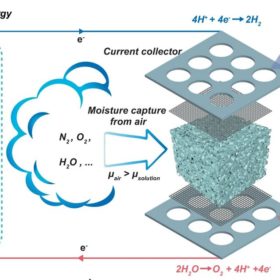
PV-powered direct air electrolysis module to produce hydrogen from moisture in air
Scientists in Australia have developed a new way to produce hydrogen using water from the atmosphere. They claim their new module can ensure stable performance and provide green hydrogen for remote areas.
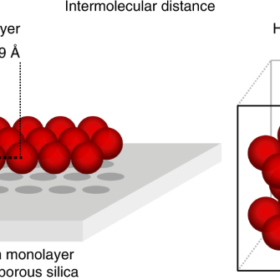
The Hydrogen Stream: Condensed hydrogen on smooth surfaces can sharply exceed liquid hydrogen density
A German-US research team has shown that hydrogen condenses on smooth surfaces at a very low temperature, forming a super-dense monolayer that reduces the volume to just 5 liters per kilogram of H2. Dutch researchers, meanwhile, have published a new study on hydrogen storage in porous rocks, and Itochu said it is moving forward with hydrogen plans in Japan and South Africa.
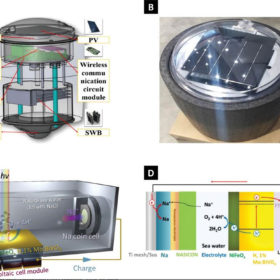
Storing renewables with seawater batteries
Scientists in Germany have studied how seawater batteries could be used for renewables storage and desalination.
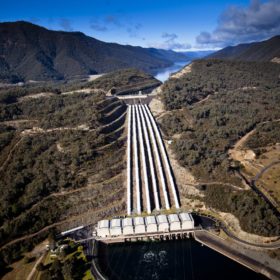
Australian pumped hydro storage project secures funding
The government of New South Wales, Australia, has announced funding for five pumped hydro schemes spread across the state, as it looks to deliver large-scale energy storage and firming capacity.
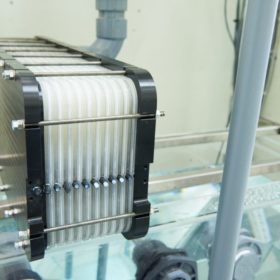
Zinc8 to manufacture its first zinc-air batteries in US market
Canadian battery developer Zinc8 Energy Solutions has announced plans to begin battery production in the United States, incentivized by manufacturing production credits in the US Inflation Reduction Act.
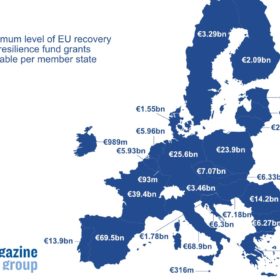
Greece readies €340 million grid-scale storage plan
Developers in Greece will bid to secure annual payments for large-scale storage facilities that must be operational before 2026.
