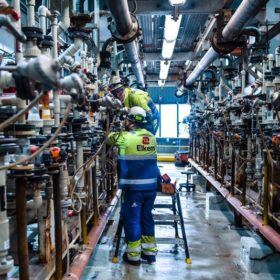
Europe had just 650 MW of solar cell manufacturing capacity at the end of 2020
The latest update to the Photovoltaics Report produced by research organization the Fraunhofer ISE has offered up the usual slew of interesting stats on the state of solar across the continent.
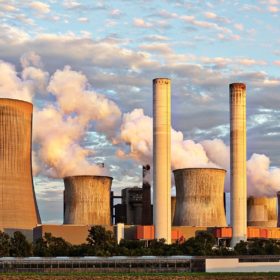
The trillions spent by G20 nations on fossil fuels between 2015 and 2019 could have paid for more than 4 TW of solar at today’s prices
Polluting energy sources received more than $3 trillion from the EU and 19 of the world’s largest national economies over that four-year period, despite G20 members having pledged to phase-out fossil fuel subsidy and address climate change back in 2009.
Maxeon secures EU cash to make its ‘stick-on’ solar panels in France
The TotalEnergies-controlled solar manufacturer will secure an, as yet undetermined chunk of a new €118.6 million low-carbon innovation fund to start producing its frameless, glass-free solar roofing products at Porcelette, in northeastern France.
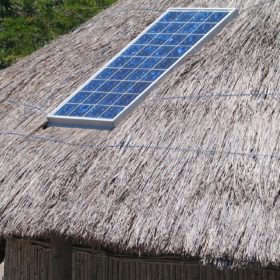
Solar manufacturers warn of 12-18 months disruption for standalone products
Potential price rises of 14% for the solar home systems that are driving access to electricity in the world’s under-served regions could signal further arrested progress towards the UN goal of universal access by 2030.
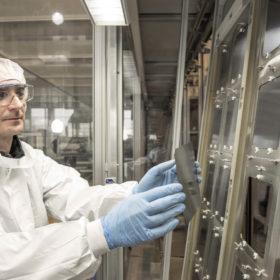
The implications of a messy Meyer Burger-Oxford PV divorce for European perovskites
Last week’s announcement Oxford PV wants to wind up its “exclusive cooperation” with Meyer Burger after the fit out of its 100 MW German factory points to a potential divergence in strategies. And with Meyer Burger considering legal action in response, it could result in a messy, disruptive separation.

Meyer Burger considers legal action as Oxford PV unilaterally terminates exclusive cooperation
Meyer Burger claims machines to produce perovskite tandem solar cells are still missing at Oxford PV’s manufacturing plant in Germany’s Brandenburg an der Havel. Despite this, Oxford PV terminated the cooperation with the turnkey machine supplier in a surprise move last week. The Swiss technology group, which now produces its own heterojunction solar cells and modules in Germany, is now considering legal action.
Italy’s Eni to acquire 1.2 GW renewable project portfolio in Spain
Independent asset manager Azora is selling the renewable energy portfolio, which includes five large solar PV parks totaling 1 GW in advanced stages of development, located in Andalusia, Castilla-La Mancha, Castilla y León, Catalonia, Galicia, and La Rioja, to Eni.
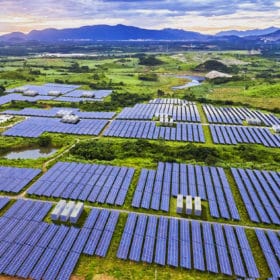
How EnergyTag plans to revamp the renewable energy certificate market with hourly timestamps
EnergyTag is an independent, non-profit, industry-led initiative that aims to accelerate the shift to carbon-free energy by defining and building a market for time-stamped renewable energy certificates. Already, corporate giants like Google and Amazon are onboard via their participation in demonstration projects in Europe and the U.S. As part of the UP Initiative’s Q3 theme on sustainable electricity supply, founder Toby Ferenczi spoke to pv magazine about the idea behind EnergyTag and how he aims to revamp the electricity market.
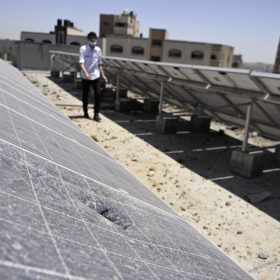
The weekend read: PV resilience under fire
The Gaza Strip, one of the most densely populated areas in the world, is embracing solar energy as a reliable local energy source. However, its 2 million residents still only have access to electricity for just a few hours per day. Amjad Khashmann reports on damages to installed PV systems and the urgent need for new installations to support education, water, and health care.
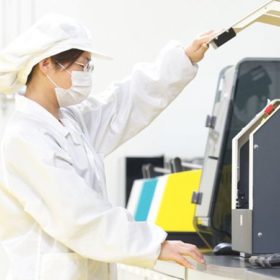
Chinese PV Industry Brief: Slightly lower polysilicon prices and another 20 GW of PV wafer capacity
According to the China Nonferrous Metals Association, polysilicon prices declined by around 1.4% last week. In other news, Gaoce announced another 20 GW PV wafer factory and Hareon Solar filed for bankruptcy.
