
Latvia deploys 258 MW of PV in 2025
With Latvia’s cumulative solar capacity reaching 920 MW by end of 2025, the Latvian Renewable Energy Alliance says the 1 GW threshold may now have been surpassed. The country also appears on track for a record year in solar deployment this year, as some of the largest projects in the pipeline materialize.

Ireland adds 1 GW of solar in 2025
Ireland reached 2,345 MW of installed solar capacity by December 2025, more than tripling installed capacity since 2023, according to Solar Ireland data. The country’s development pipeline has currently reached 1.7 GW.

Morocco installs 204 MW of utility-scale solar in 2025
Official data from Morocco’s National Office of Electricity and Drinking Water puts the country’s cumulative utility-scale solar capacity at almost 1.3 GW, while import data suggests there could be a further 3 GW of operational solar spread across the commercial and industrial, solar pumping and residential solar markets.
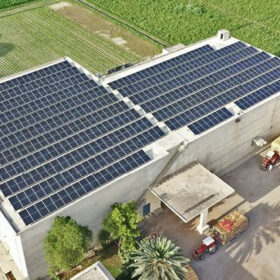
Pakistan blocks retroactive export rate cut in net billing shift
Late amendment put forward to halt sudden retroactive change to export rates for net metering contract holders in Pakistan. It follows strong criticism from local solar industry leaders over sudden change in export rates under new net billing structure.
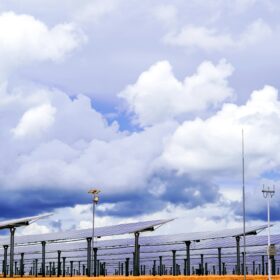
Italy’s new energy provisions could boost gas use, undermine renewables and storage competitiveness
Italy’s new energy decree aims to cut consumer electricity bills, but industry experts warn it could slash solar revenues by over 30%, slow the PPA and battery storage markets, and increase gas-fired generation. The measure also raises regulatory and state aid concerns, potentially making the Italian electricity market riskier for investors.

U.S government sets preliminary countervailing duties on solar imports from India, Indonesia and Laos
The U.S. Department of Commerce has issued preliminary findings that solar manufacturers in India, Indonesia and Laos benefited from government subsidies, paving the way for countervailing duties of up to 143.30%.

Poland adds 3.6 GW of solar in 2025
Poland’s cumulative solar capacity reached 24.8 GW by the end of 2025, with last year’s growth led by C&I and large-scale installations.

Israel approves rules for agrivoltaics
A zoning masterplan for agrivoltaics in Israel specifies solar panel coverage must not exceed 30% of the cultivated area. The lower edge of panels must be at least 1.5 m above the ground for field crops, increasing to 4.5 meters for orchards and other crops.
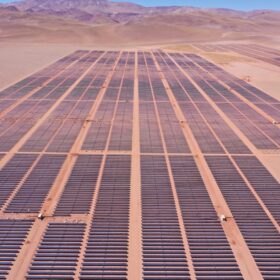
Argentina adds 810 MW of solar capacity in 2025
Argentina added around 810 MW of solar PV capacity in 2025, bringing total installed PV capacity to 2,483 MW, according to data from Compañía Administradora del Mercado Mayorista Eléctrico (CAMMESA).

Taiwan’s solar feed-in tariffs remain unchanged
The Taiwanese authorities have also introduced a repowering mechanism designed to encourage replacement of aging PV equipment.
