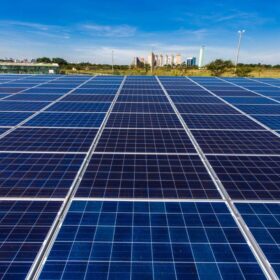
Solar exceeds 28 GW in Brazil, including 20 GW of distributed-generation PV
Brazilian developers have already installed at least 2.1 GW of distributed-generation solar and more than 1.3 GW of centralized PV this year. At this average pace of 21.1 MW per day, installers could build 7.71 GW of distributed-generation PV in 2023.

Weekend read: High time for solar
Cannabis prohibition drove a culture of clandestine production in the past and solar helped growers to cultivate it at remote, off-grid sites. Now, as a global commercial cannabis market emerges, solar has an even bigger role to play.

Netherlands may hit 180 GW of installed solar power by 2050, say grid operators
A new report from the association of Dutch grid operators predicts strong growth for the Dutch PV sector, regardless of potential international scenarios.

South Korea to allocate $185 million for renewables rebates in 2023
The South Korean government says its rebates for building-integrated PV (BIPV) systems have gone up from 13.4% to 15%, but its rebates for conventional rooftop PV systems have gone down from 50% to 47%.
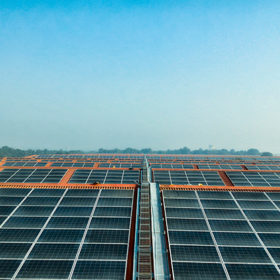
India to add 16.8 GW of solar in 2023
JMK Research says it expects India to install 14 GW of new utility-scale solar capacity and 2.8 GW of rooftop PV in the 12 months to Dec. 31, 2023.
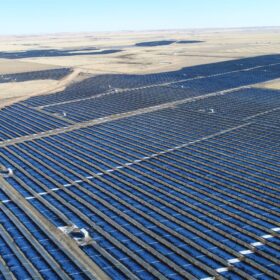
Canada formalizes 30% federal ITC credit, other incentives
Canada’s new policy plan mirrors the US Inflation Reduction Act (IRA), including two new input tax credits (ITCs) targeting clean energy and technology manufacturing that will remain at 30% through 2033, stepping down to 15% in 2034 before phasing out altogether after 2034.

BIPV solutions for historical cities
A European Union-funded project is bringing building-integrated photovoltaics (BIPV) solutions to eight historical cities in Europe. pv magazine recently spoke with Júlia Pereira, project coordinator for EDP New, about the innovative solutions being blended into the landscape in Évora, Portugal.
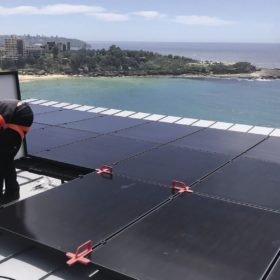
Making the business case for solar-plus-storage
Much has been said about the benefits installing solar and batteries can offer to businesses but, as companies face mounting input cost inflation, is the upfront investment too much to bear or have volatile electricity costs made the decision a no-brainer?
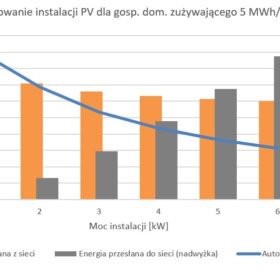
One year of net billing in Poland
While it initially had a chilling effect on the Polish residential solar market, the transition from net metering to net billing has also resulted in positive changes, such as better sizing of rooftop PV systems and a higher rate of self-consumption, says Instytut Energetyki Odnawialnej (IEO), a Polish research body.
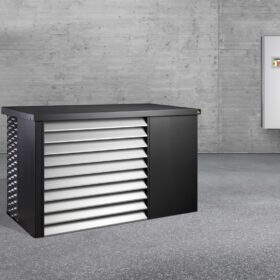
Austrian manufacturer unveils propane heat pump for residential applications
iDM has developed a modular air-source heat pump that uses propane (R290) as the refrigerant. It can produce between 2 kW and 24 kW of heat and domestic hot water up to a temperature of 70 C. A larger version can produce between 10 kW and 50 kW of heat.
