
Germany deployed 548 MW of PV in May
The cumulative capacity of all subsidized PV systems in Germany hit 59.3 GW at the end of May.
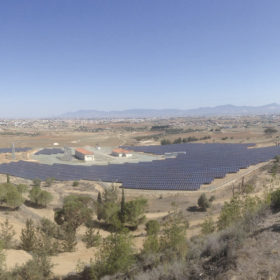
The weekend read: Solar reforms loom, Cyprus begins to move
Cyprus is a laggard in renewable energy development compared to many of its European neighbors. Given its reliance on oil and gas imports, the consequences are now being felt by electricity consumers on the island. However, as Ilias Tsagas reports, a combination of factors may soon provide the leverage that changes the game fast.

Agrivoltaics for hop growth
France’s Q Energy has developed a new way to combine solar generation and the cultivation of hops, which can grow up to 8 meters in height. The agrivoltaic system consists of two mounting units with 52 bifacial PV modules.
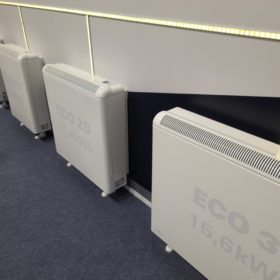
Solar-powered residential heating system based on storage heaters
Spanish heating specialist Elnur Gabarron offers a residential heating system that works with surplus solar power and storage heaters. The system can work as a backup solution, combined with existing conventional heating, or as a household’s main heating system, with minimal use of grid electricity.
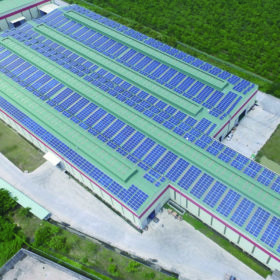
Taiwan maintains FIT rates for rooftop PV
The Taiwanese authorities have decided not to reduce feed-in tariffs for PV, as initially planned, in order to support more solar deployment. The country added around 1.9 GW of new solar capacity last year.

Mitsubishi Electric unveils power-switching transistor for solar
Mitsubishi Electric’s new 2.0kV LV100 semiconductor device is based on its insulated-gate bipolar transistor (IGBT) technology and Relaxed Field of Cathode (RFC) diodes. It is designed for industrial applications that need “middle-ground” power converters between DC1500 V and 3.3 kV.
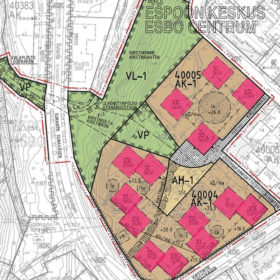
Storing solar power via borehole thermal energy storage
A Chinese-Finnish research group has proposed the use of seasonal, soil-based thermal energy storage in combination with photovoltaics in residential districts. They have found that the hybrid concept could cover up to 58% of total heating demand.
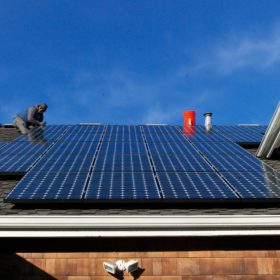
California ruling simplifies grid-connection process for distributed solar, storage
The California Public Utilities Commission has introduced a new rule to streamline the interconnection process for distributed energy resources.
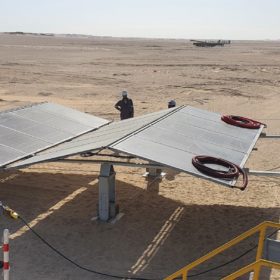
Mobile solar-plus-storage unit for offgrid applications
Enerwhere has designed a solar-plus-storage mobile unit for offgrid locations such as oil and gas fields and construction sites. It can be adapted to different needs and is scalable up to megawatt-scale projects.
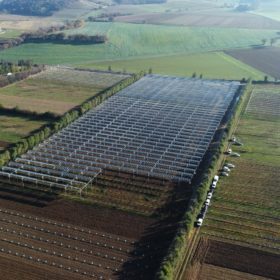
Romania introduces new rules for solar on agricultural land
Romania is set to put new solar regulations into force through the end of 2026. The rules will allow PV, wind, biomass, bioliquid, biogas, storage projects, and transformer stations to be built directly on land in several previously prohibited fertility classes.
