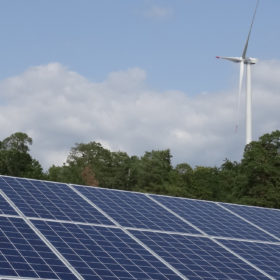
Germany sees new PV additions surpass 300 MW in April
In the first four months of the year, over 1.6 GW of solar power generation capacity came online in the country. Next month the FITs for rooftop PV will fall by 1.4%.
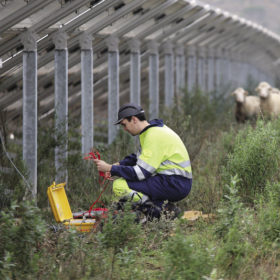
Solar, EVs and energy storage among the few technologies keeping pace with energy transition goals
Among 45 critical energy technologies and sectors assessed in a tracking report by the International Energy Agency, only seven are keeping hopes alive that climate, energy access and air pollution goals can be met.

UK solar: Records, concerns and a persistent regulator
Although the nation’s PV industry has recently established new landmarks, warnings have been sounded about the immediate outlook for the sector.

China confirms $435m solar subsidy budget for this year
The race is on to process applications for central payments across the world’s biggest solar market, particularly as qualifying projects must reportedly be grid connected this year. The final electricity price will be a major competitive factor considered by the Beijing authorities.
Trans-Pacific partnership aims to accelerate green hydrogen uptake
Australia’s national science agency CSIRO and Canada’s University of British Columbia have announced a memorandum of understanding aimed at accelerating clean hydrogen technologies.

PV leads the way as renewables threaten coal-fired power
With clean energy being generated at lower and lower prices around the world, solar power is playing a leading role in bringing the curtain down on coal, and will help the decarbonization of transport and space heating too.

Pakistani regulator signs off on 27 MW of new PV capacity, 15 MW of it bifacial
One 15 MW project will see the installation of high power mono bifacial modules – no small feat for any market. Other projects will be collocated with the country’s industry to improve security of supply, as load shedding occurs for several hours each day.
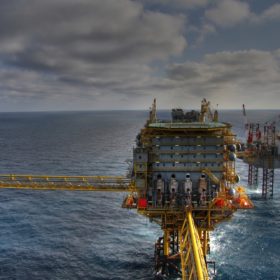
Oil and gas majors join rush to renewables in Australia and Pacific
Renewable energy investment in the Asia-Pacific region, excluding China, will overtake spending on oil and gas exploration and production by 2020, finds Norwegian consultancy Rystad Energy. And Australia is set to emerge as one of the leading investment destinations.
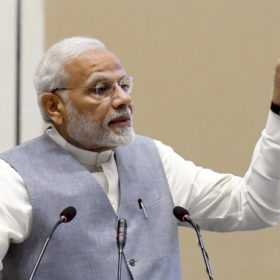
India’s solar industry digests prime minister’s latest landslide victory
With Narendra Modi’s government stunning pollsters with another huge win, the solar industry expects renewable power momentum to be maintained with steps including anti-dumping duty on solar module imports, a national policy for rooftop solar and an emphasis on easing private-sector participation in the power sector.
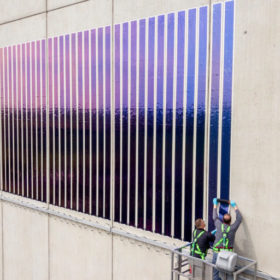
Heliatek and Lechwerke test PV facade on grain silo
The two companies have glued 230 square meters of solar film to the rough concrete surface of a grain silo in Donauwörth, Germany. The film is expected to generate approximately 6,700 kWh kilowatt-hours of solar power per year. Lechwerke and Heliatek want to open up new potential for the use of PV on other surfaces with the pilot project.
