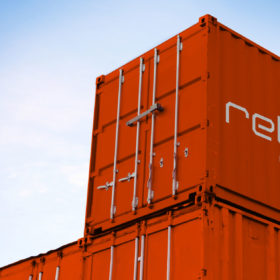
Scatec brings containerized solar-plus-storage system to Cameroon
Two projects in the northern region of the African nation are set to bring 36 MW of solar and 20 MW/19 MWh of storage online, with the first facilities due to start generating within days.
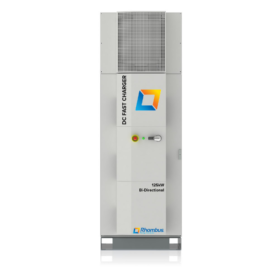
Ever heard of synchroinverters? Grid-stabilizing devices connecting renewables to distributed energy resources
A U.S.-Israeli consortium is developing synchroinverters – inverters that mimic a synchronous generator and are able to actively respond to the grid’s frequency changes while stabilizing the voltage. The new devices are expected to do this simultaneously and provide grid stability services in less than 16.67 milliseconds.

Utility scale hybrid wind-solar in Madagascar
The project consists of an 8 M W solar PV plant that is scheduled to be operational in 2022 and a 12 MW wind farm that will be commissioned in 2023. Both facilities will be connected to an 8.25 MW battery and will cover 60% of the annual electricity consumption of the Fort-Dauphin mine, located in the south of the island.
The Hydrogen Stream: Electrolyzer ramping from 0 to 50,000 amperes in less than 10 seconds
Developed by Canada-based Hydrogen Optimized, the electrolyzer can be used to stabilize electrical grids and optimize energy recovery from intermittent renewable power sources such as solar and wind. Furthermore, this week four more big international partnerships for developing green hydrogen were announced across Germany, the Middle East, and Australia.
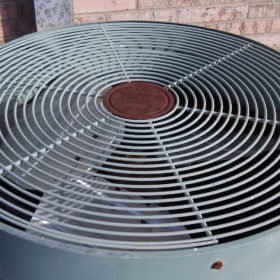
Non-technical factors influencing market acceptance for solar heat pumps
The lack of proper business models, high upfront costs, and long payback periods are the key barriers to enabling the wider adoption of solar-powered heat pumps, according to recent research. Other factors reducing market acceptance are a lack of information on the technology and sociodemographic factors like public perception and peer effects.
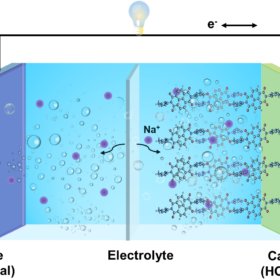
Ultra-stable sodium-ion storage via organic electrode materials
A research team at China’s Soochow University has used hydrogen-bonded organic frameworks to make sodium-ion batteries even more sustainable and affordable while prolonging their lifespan to over 10,000 cycles.
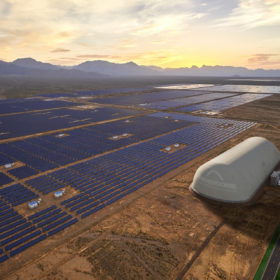
Storing solar power with compressed carbon dioxide
An Italian company has developed a system that can store energy from wind, solar and grid electricity by compressing and using CO2 without any emissions. The system draws CO2 from an inflatable atmospheric gas holder, stores it, and uses it to produce power again, when demand for stored energy arises.
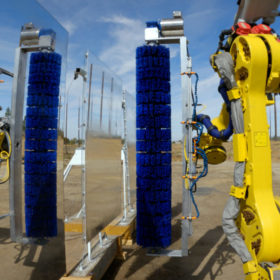
New tank design, autonomous robot for concentrated solar power plants
Two different technological developments were announced this week for concentrated solar power technology. In Australia, a consortium led by Vast Solar filed a patent for a new tank design for thermal energy storage systems. And in the United States, Heliogen announced the rollout of robots to install and clean projects.
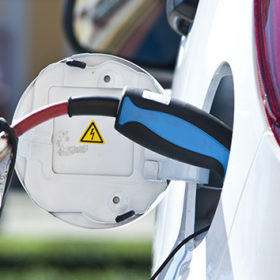
Analyst predicts 2030 bidding war for dead EV batteries
A lack of end-of-life batteries this decade is likely to play into the hands of Chinese recyclers located near most of the world’s production facilities, according to analyst WoodMac, but might at least help rebalance the current situation in which new products are cheaper than recycled ones.
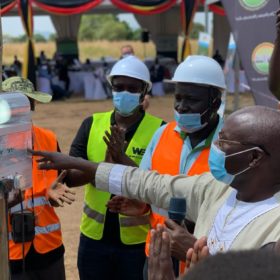
Uganda turns to solar mini-grids to level-up its northern region
A spokesperson for London-based installer Winch said the subsidized, $0.29/kWh electricity the networks will offer to villagers is the lowest price for such a system anywhere in the world.
