
Globeleq acquires 53 MW solar portfolio in South Africa
Globeleq bought the solar plants — which are part of a bigger portfolio that includes wind farms — from an affiliate of Brookfield Asset Management. It said that in the coming weeks it will also reach financial close on another 66 MW solar installation, pushing the PV portion of the acquired portfolio up to 119 MW. It currently holds 238 MW of combined solar and wind capacity in South Africa.
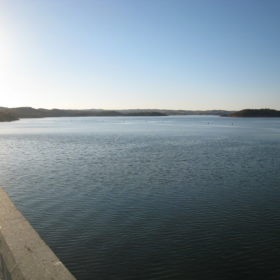
EDP plans first MW-scale floating PV project in Portugal
The Portuguese utility is seeking permission to deploy a 4 MW floating solar plant at the Alqueva water reservoir in southern Portugal. The solar array will feature around 10,000 PERC half-cell solar modules.

Video: Future PV Roundtable looks into subsidy free PV
At the Smarter E Europe, held in Munich this month, pv magazine hosted another Future PV Roundtable to discuss the possibilities of subsidy free solar projects. In all market segments solutions are at hand and representatives across the industry shared their insights with us.
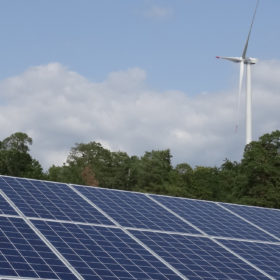
Germany sees new PV additions surpass 300 MW in April
In the first four months of the year, over 1.6 GW of solar power generation capacity came online in the country. Next month the FITs for rooftop PV will fall by 1.4%.
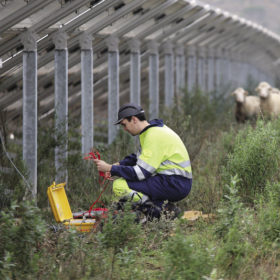
Solar, EVs and energy storage among the few technologies keeping pace with energy transition goals
Among 45 critical energy technologies and sectors assessed in a tracking report by the International Energy Agency, only seven are keeping hopes alive that climate, energy access and air pollution goals can be met.

Brazil sets ceiling price of $69.7/MWh for upcoming A-4 auction
The tender is on June 28. This year’s procurement exercise may allocate less capacity than previous auctions, due to lower demand for contracting new projects.

UK solar: Records, concerns and a persistent regulator
Although the nation’s PV industry has recently established new landmarks, warnings have been sounded about the immediate outlook for the sector.

China confirms $435m solar subsidy budget for this year
The race is on to process applications for central payments across the world’s biggest solar market, particularly as qualifying projects must reportedly be grid connected this year. The final electricity price will be a major competitive factor considered by the Beijing authorities.

Argentina “mini” renewables auction moves forward
Some 56 bids were submitted for the fourth round of the RenovAr program for large scale renewables. Projects will be selected on July 22. With this procurement the Argentinian government wants to allocate a total of 350 MW of solar and wind generation capacity, with a 10 MW size limit per project.

Canadian Solar suffers $129m reversal in quarterly fortunes
With figures at the end of last year boosted by profitable PV project sales, the manufacturer and developer is now nursing unflattering comparisons and aims to get more projects built and sold by the end of next month.
