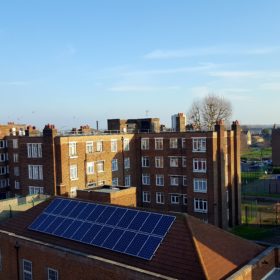
Kyocera uses blockchain to test virtual power plant based on solar and storage
The module maker and electronics giant is testing the feasibility of a complex virtual power plant with a blockchain platform provided by US-based LO3 Energy.
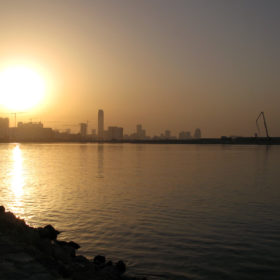
ACWA wins Bahrain’s 100 MW PV tender with bid of $0.039/kWh
The tender process for a solar park at the Askar landfill site was launched by Bahrain’s Electricity and Water Authority in March 2017.
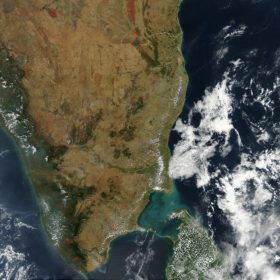
The promise of a 100% renewable energy world
The oldest solar organization in the world, the International Solar Energy Society, dates back to 1954. President David Renné tells pv magazine about India’s solar dreams, the next best thing in solar technology and what renewables hold for the world’s future.

First unsubsidized solar parks announced in Canada
After receiving its cheapest bids for large-scale solar under a public tender a week ago, the Canadian province of Alberta is now ready to host two unsubsidized solar parks with a combined capacity of 57 MW. The developer, German renewable energy company Innogy, is in talks with local off-takers about signing a PPA.

BNEF: Cheap finance is key to PV deployment in the developing world
While solar is lauded as a cheap energy resource in OECD countries, the cost of financing PV projects in developing nations has impeded progress. Development banks and the Clean Technology Fund they finance have played a key role in providing access to cheap financing for clean energy projects in many markets.
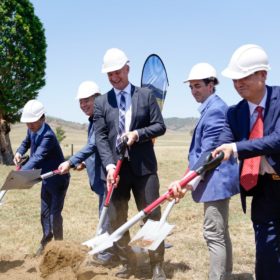
1.5 GW solar, 500 MWh battery project breaks ground in Australia
The first sod has been turned on a massive solar+storage development located between Harlin and Kilcoy, in south-east Queensland. The project was proposed by Sunshine Energy Australia, a newcomer to the Aussie solar scene.
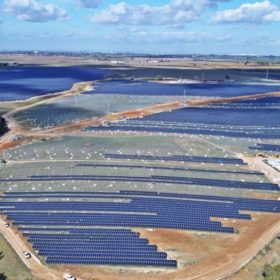
European PV market grew 36% to reach 11 GW in 2018
Solarpower Europe has released its estimates for Europe’s installation figures in 2018. A reduction in system prices and a policy push boosted solar across the continent. And if the trade association’s CEO is to be believed, the newfound growth has just begun.
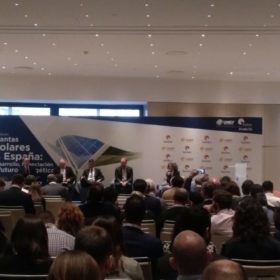
“Spain is the hottest PPA market in the world, but auctions are necessary”
That was the one of the main conclusions reached among 400 attendees at the Solar plants in Spain: development, financing and energy future conference, organized by Soltec and PV association UNEF in Madrid this week.
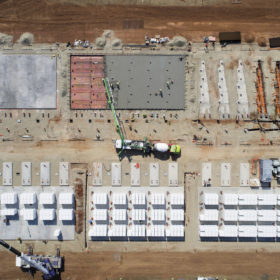
Eight trends for the PV industry in 2019
IHS Markit’s analysts have mapped out what they are keeping an eye out for in the year ahead. Aside from higher installation figures, the number-crunchers predict a continued battle for multi-function in the hard-fought inverter segment and a potential watershed year for utility-scale storage.

UAE to invest in 100 MW Bangladesh solar plant
Details are few at this stage, with a site for the big project still to be selected, although the Bangladeshi government has confirmed the tariff for electricity produced by the plant will be $0.095/kWh.
