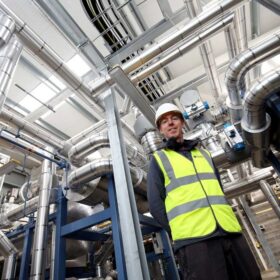
European utilities turning to large heat pumps
Utilities increasingly recognize heat pumps as a critical technology for heat decarbonization. They are deploying multi-megawatt systems in different parts of Europe to simultaneously serve multiple users and offer new avenues for the decarbonization of buildings.
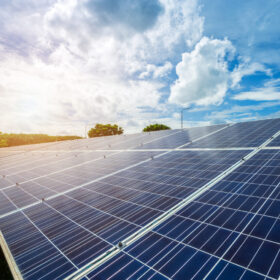
US solar PPA pricing finally cooling
LevelTen Energy has reported a 1% decline in power purchase agreement (PPA) prices from the first quarter to the second quarter in the United States, following three years of consecutive quarterly increases.
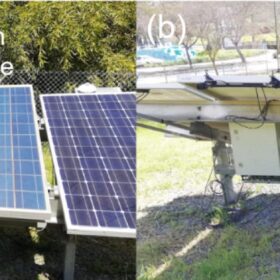
Machine learning keeps solar one step ahead of soiling
Scientists in Cyprus evaluated six different models used to predict the power losses caused by the accumulation of dust, dirt, and other substances on the surface of PV panels in the island’s arid climate. Results from the various models were compared with soiling loss data from a “test bench” installation at the University of Cyprus in Nicosia, revealing a potential advantage for machine-learning approaches backed by satellite data.
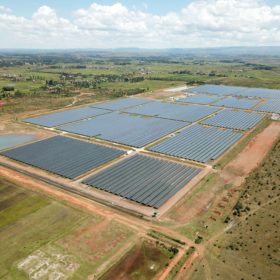
Madagascar launches tenders for 210 MW of PV
Madagascar has tendered a 200 MW solar project near Antananarivo and a 10 MW facility on its north coast.
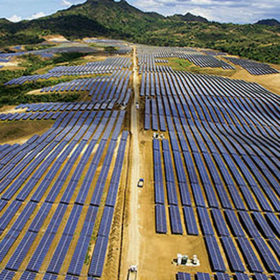
Philippines allocates 1.97 GW of PV capacity in renewables auction
Through the procurement exercise, the GEA-BEAC allocated 1,870.8 MW of ground-mounted PV capacity and 90 MW of floating solar power. The selected developers will secure 20-year power purchase agreements.

Guatemala’s energy auction attracts 48 bidders
Guatemala’s latest energy auction has attracted 48 bidders for 235 MW of capacity. The auction has been oversubscribed, with more than 1 GW of project proposals submitted. The national regulator will announce the final results on Aug. 2.
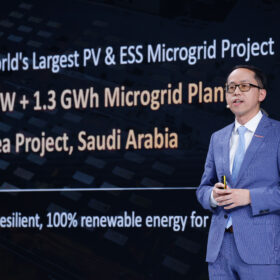
Making the most of every ray: Exclusive interview with Huawei’s Guoguang Chen
In this exclusive interview with pv magazine, Guoguang Chen, President of Smart PV & ESS Business at Huawei Digital Power, in this, discusses company strategy and recent announcements around FusionSolar, latest technology and product innovations in solar and storage, and more.
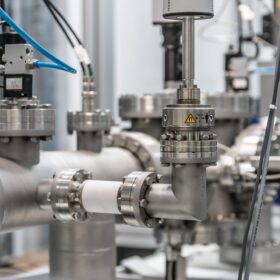
Retrofit domestic hot water solution based on PV-driven heat pump, water tank
Scientists in Italy have coupled a solar-powered air heat pump with a water tank for thermal energy storage to provide hot water to a residential building as a retrofit solution. They claim that the proposed system configuration can achieve a “desirable” thermal performance while reducing annual electricity consumption.
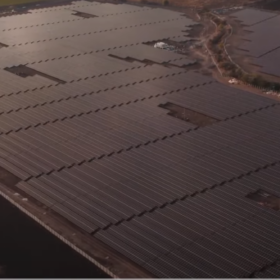
Indian developers switch on 470 MW of hybrid wind, solar
CleanMax has built a 400 MW wind-solar plant in India, which is purportedly the nation’s largest single hybrid project for offtake by the commercial and industrial (C&I) sector.
Australian developer plans 900 MW of solar for green hydrogen project
Traditional owners in Western Australia will partner with advisory firm Pollination to develop what could be Australia’s largest solar farm. The move is part of plans to build a gigawatt-scale green hydrogen and ammonia project in the northwestern part of the country.
